Capturing Rashtra Sevika Samiti Through 9 Unique Points: Matrutva, Kartrutva, Netrutva

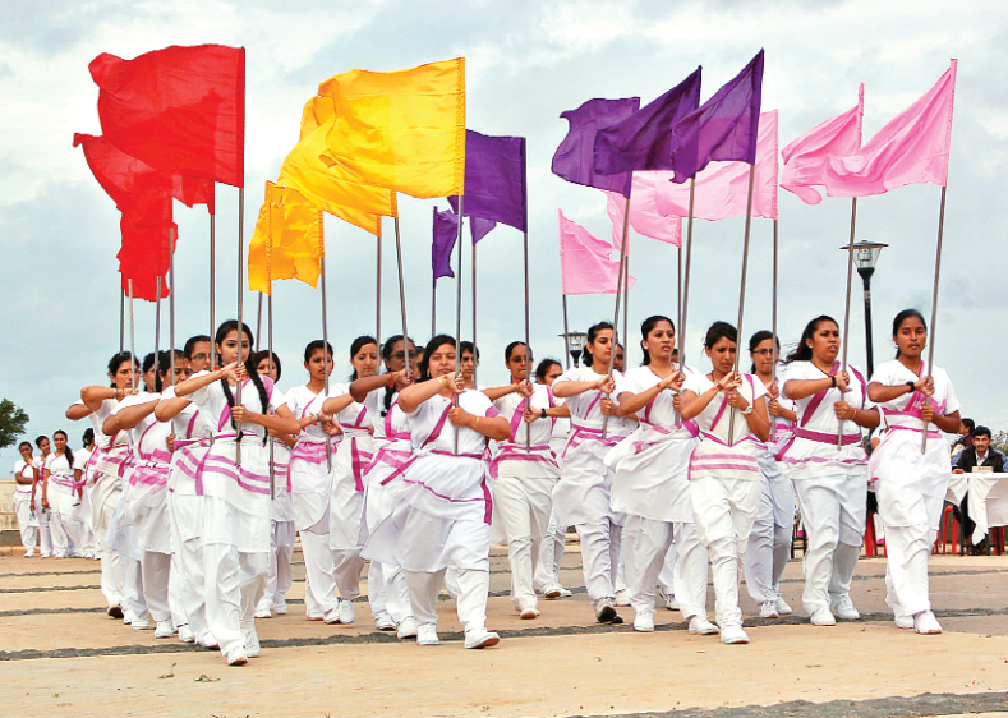
In a landscape where women’s empowerment often remains a rhetorical flourish, the RSS women’s wing, Rashtra Sevika Samiti, stands as a beacon of practical action, rooted in India’s ancient cultural ethos. Founded on Vijayadashami, October 25, 1936, in Wardha, Maharashtra, by Laxmibai Kelkar, affectionately known as Mausiji or Mavashi Kelkar, this women’s organization has quietly shaped the lives of millions, fostering leadership, social service, and national pride among Hindu women.
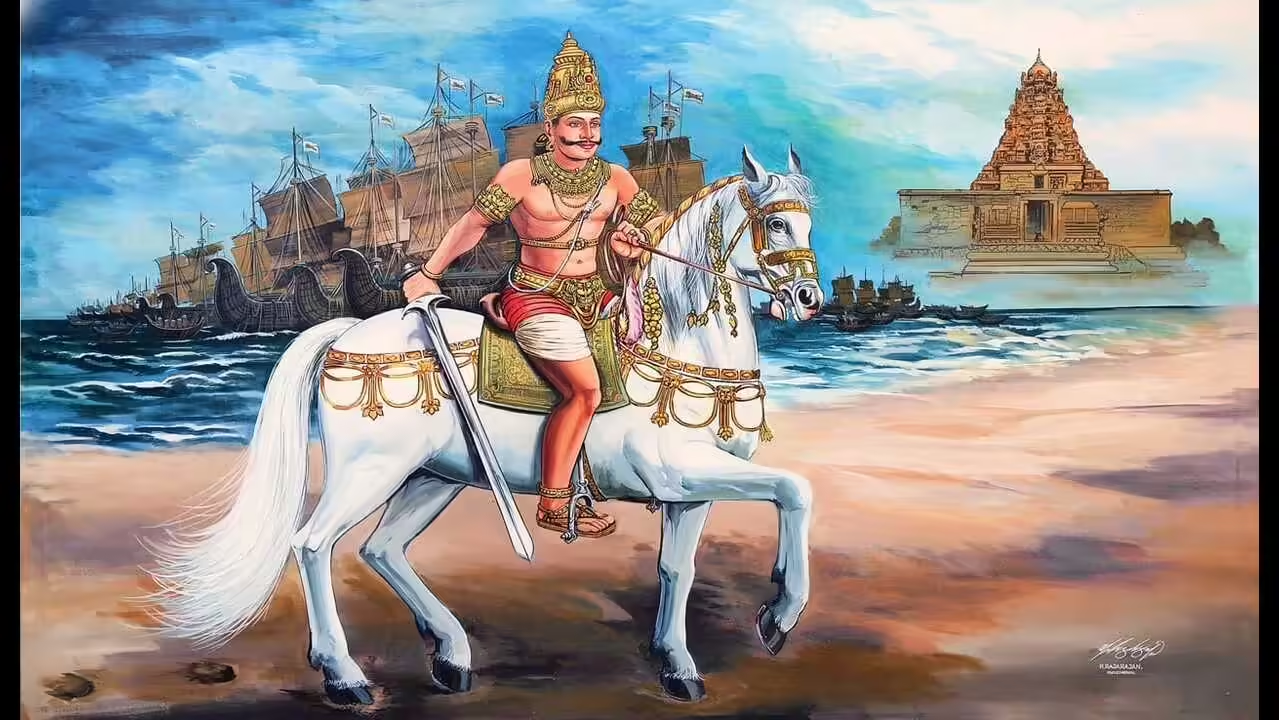
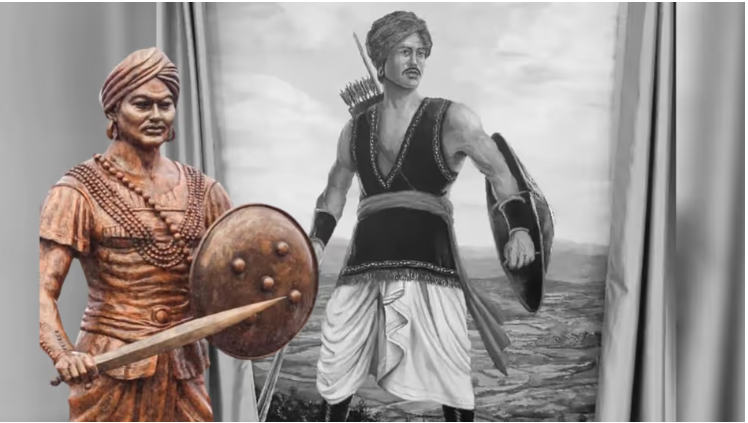
Laxmi Bai Kelkar ji’s inspiration came after meeting RSS founder, Dr. Keshav Baliram Hedgewar, whose vision aligned with her belief in women as Shakti behind nation-building. The Samiti rests upon three ideals: Matritva (universal motherhood, inspired by Jijabai), Kartrutva (efficiency and social activism, modeled after Ahilyabai Holkar), and Netrutva (leadership in the mold of the Rani of Jhansi).
In the organization’s ranks, pracharikas and vistarikas train rigorously, many dedicating their lives fully to service. The current chief, V. Shantha Kumari, continues that tradition with a focus on cultural and social transformation.
Founded 11 years after the Rastriya Swayamsevak Sangh (RSS), the following 9 points highlight the growth of Sevika Samiti and its contribution to Bharat.

Rashtra Sevika Samiti
First Shakha in 1936 The Rashtra Sevika Samiti was established in 1936. As the organization grew, more than 10,000 women from across India started participating in these shakhas every year. During the Samiti’s 80th anniversary celebrations in 2016, about 3,000 sevikas attended the shakhas. Shakhas serve as the core unit, where members engage in yoga, patriotic songs, physical training, discussions on current affairs, and military-style drills to build discipline and resilience.
Seva and Leadership Initiatives The Samiti runs 475 service projects, including orphanages, libraries, computer training centers, and Gou Shalas (cow shelters), aiding the underprivileged, irrespective of caste, creed, or religion. Educational camps address contemporary issues like women’s safety, Love jihad awareness, and leadership development, empowering participants to become agents of positive change.
With more than 45 healthcare projects, nearly 500 educational programs, its key initiatives include Bal Gokulam, which connects children to India’s spiritual and cultural heritage through yoga, music, art, and storytelling, including around 30 girls’ hostels accommodating nearly 6,000 students, along with numerous education and vocational projects for the underprivileged.
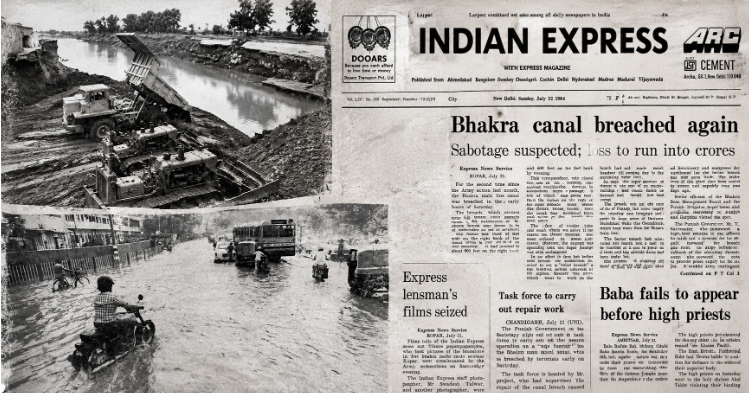
Seva: Assam Floods to the COVID-19 Crisis Samiti sevikas play a vital role in disaster relief and community welfare. During the 2004 Assam floods, volunteers reached even remote villages to deliver food, clothing, medicines, and other essentials.
In the COVID-19 pandemic, they again stepped up organizing vaccination drives, helplines, yoga and health camps, performing last rites for victims, and distributing masks, medicines, and groceries. Reports estimate that the Samiti’s volunteers assisted around 50,000 people during the 2020-21 crisis.
Role in the Freedom Struggle Samiti volunteers participated actively in the freedom movement too. During Partition, it played an important role in rescuing Hindu and Sikh men and women and bringing them safely back to India. Later, they also helped with the relief and rehabilitation efforts along with Sangh volunteers. In 1948, several volunteers of the Samiti went to jail as they protested the ban imposed on the RSS.
During the 1962, 1965, and 1971 wars, sevikas mobilised support for soldiers and their families. During the Emergency (1975-77), Samiti members actively joined the resistance movement. Several volunteers were jailed for protesting against the government’s authoritarian measures.
Prominent Personalities and Their Contributions After Lakshmi Bai Kelkar’s tenure until 1978, Saraswati Apte (Tai Apte) led the organization from 1978 to 1994, followed by Usha-tai Chati from 1994 to 2006. Pramila Tai Medhe served as Pramukh Sanchalika from 2006 to 2012, and since 2012, V. Shantha Kumari (Shanthakka), born in 1952, has led the Samiti with a focus on social transformation. Other prominent members include General Secretary Sita Annadanam, politician Kalpana Saini, and former Gujarat minister Maya Kodnani.
Also Read: 100 Years and Beyond: Honoring RSS Through 10 Unique Facts
Highlighting Individual Journeys Pramila Tai Medhe was one of the most prominent figures within the organisation, whose impact and lifelong commitment to Rashtriya Sevika Samiti resulted in its global recognition. Medhe was instrumental in expanding the Samiti’s global presence, traveling to countries like England, America, Canada, and Sri Lanka, and was honored with honorary citizenship by the Mayor of New Jersey for her service She’d played a vital role in the creation and operation of the Devi Ahilyabai Smarak Samiti rehabilitation center, which focuses on empowering women and girls who’ve faced trauma with shelter, education, and vocational training.
Every Sevika’s Journey: Different Aspirations, One Collective Mission In present day, a youth icon named Seetha joined Samiti shakha to understand Hindutva ideology and find empowerment through collective action and discipline. In contrast, Neelima Kapoor, who has attended multiple shakha since her first experience, deepened her dedication to social service over time. Many members describe the Samiti as a space that allows women to step beyond domestic boundaries and engage confidently with the world.
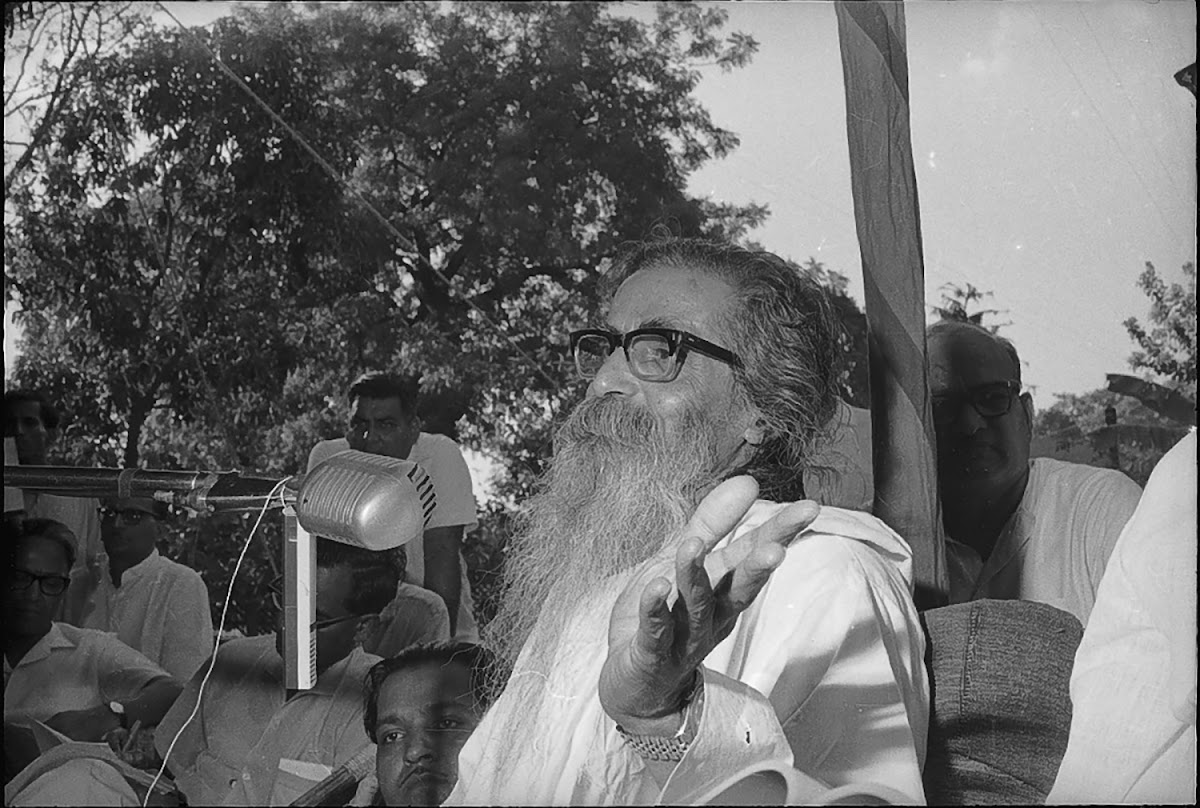
Savarkar’s Visit to Hindu Mulinchi Shakha During the years 1943–44, Swatantryaveer Vinayak Damodar Savarkar paid a memorable visit to the Hindu Mulinchi Shala. The young sevikas welcomed him with a ceremonial Guard of Honour, reflecting their deep respect and discipline.
Impressed by the Samiti’s quiet yet impactful work, Savarkar remarked, “This effort is like a gentle shower—seeping deep into the soil, nourishing it silently and steadily.” It was a profound and poetic appreciation of the Samiti’s grassroots influence.
On another occasion, Shri Guruji casually brought Dr. Syama Prasad Mookerjee to a samiti shakha.
National Leaders Shaped by Rashtra Sevika Samiti The Rashtra Sevika Samiti has quietly nurtured generations of women leaders whose public service reflects its core values of strength, discipline, and cultural pride.
Sumitra Mahajan, former Speaker of the Lok Sabha (2014–2019), has been associated with the Samiti since childhood, embodying its ethos in her parliamentary conduct and grassroots engagement.
Sushma Swaraj, the late External Affairs Minister, often referred to herself as a proud “Sevika” of the Samiti—her eloquence and resolve mirrored the organization’s emphasis on leadership rooted in tradition.
Vasundhara Raje Scindia, former Chief Minister of Rajasthan, stands as one of the most prominent political figures inspired by the Samiti’s ideals, blending governance with cultural stewardship.
Smriti Irani, Union Minister for Women and Child Development (2025), is frequently cited within Samiti circles as a contemporary role model—her advocacy for family values, resilience, and women’s empowerment resonates deeply with the organization’s mission.
National and Global Network in 2025 In 2025, the Rashtra Sevika Samiti has a widespread presence across India and abroad, operating in around 5216 active shakhas, including 875 that hold daily gatherings. The organization has also extended its reach globally, establishing branches in 10 countries under the name Hindu Sevika Samiti. It has divided the country into 12 kshetra (regions), 38 prant (provinces), and 1042 zila (districts) according to its organisational plans.