Rana Udai Singh II (4 August 1522 – 28 February 1572): Founder of Udaipur & 12th Maharana of Mewar

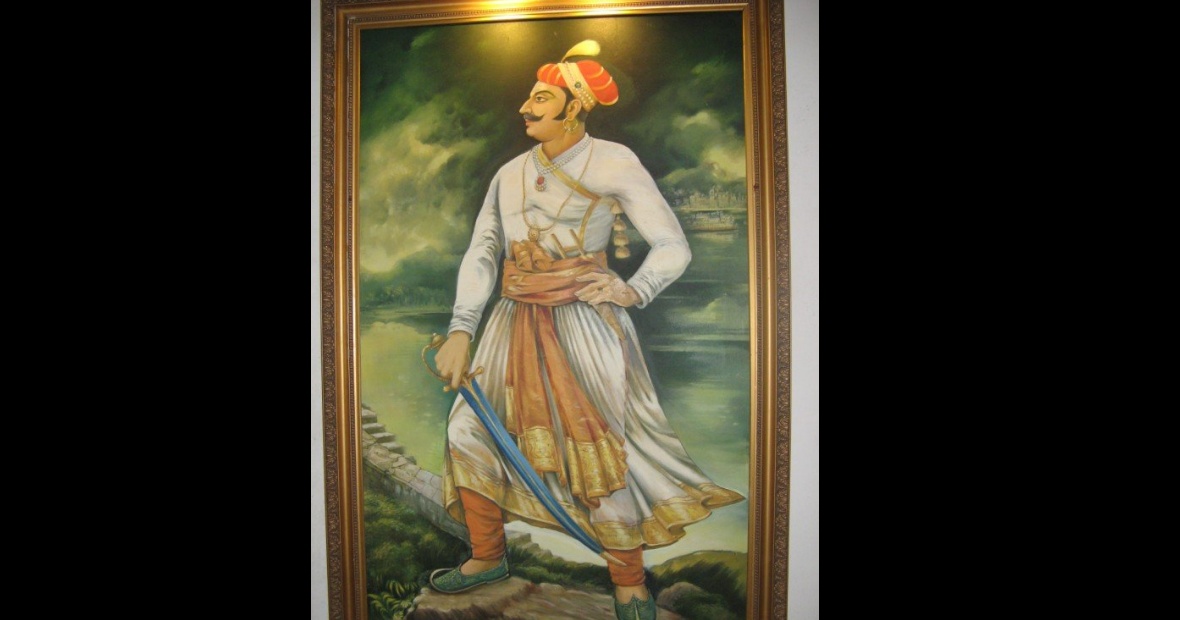
Who Was Rana Udai Singh II?
Born on 4 August 1522 at Chittorgarh Fort, the fourth son of Maharana Sanga (Rana Sanga) and Rani Karnavati of Bundi. Udaipur Darpan, Indian Rajputs
Ascended the throne in 1540 and ruled until 1572. Rajasthan Direct
Maharana Sangram Singh I (Rana Sanga) (c. 1482 – 1527/28) was the great warrior-king of Mewar, belonging to the Sisodia Rajput dynasty. He was the son of Rana Raimal and grandson of Maharana Lakha. He ascended the throne around 1508–1509 and ruled until he died in 1527.
Birth Anniversary & Commemoration
Traditionally observed on 4 August, his birth anniversary is celebrated at City Palace with lamp-lighting, garlanding, and ceremonies. Udaipur Kiran
Early Life & Royal Lineage
Belonged to the Sisodia Rajput dynasty, known for resisting foreign invasions.
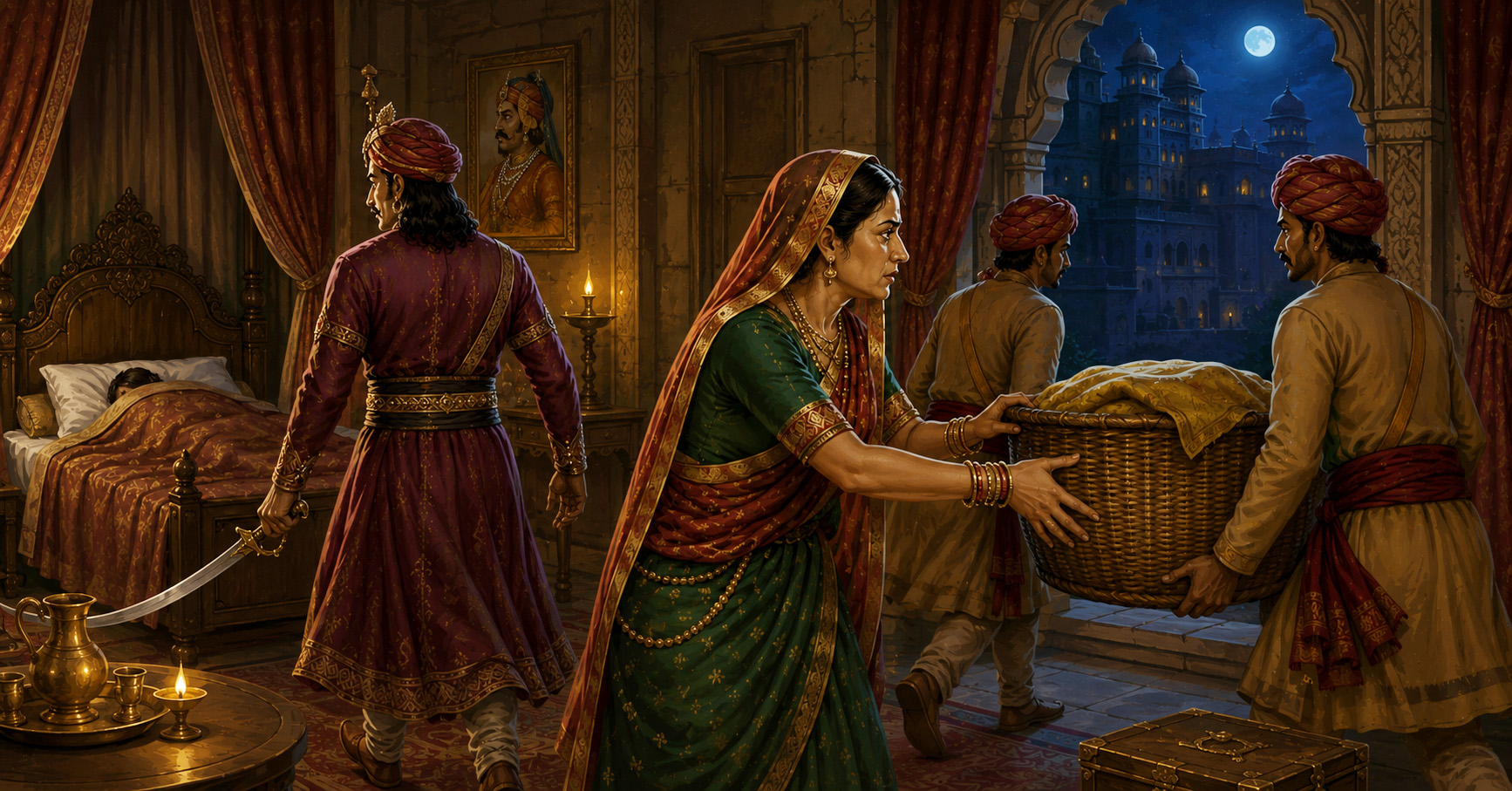
After Rana Sanga’s death in 1528–27, power struggles erupted. In 1537, his uncle Banvir killed his brother and seized power, ordering Udai Singh’s death.
Rescued by nursemaid Panna Dhai, who sacrificed her own son to save him, Udai Singh was hidden at Kumbhalgarh for ~2 years. Udaipur Municipal Corporation, Indian Rajputs
Ascension to the Throne
In 1540, with support from loyal nobles, he defeated Banvir, reclaimed Chittorgarh, and was crowned Maharana at Kumbhalgarh. Rajasthan Direct
Restoration of Mewar
His reign focused on rebuilding: reestablishing authority, reinforcing forts, regaining territory, and boosting morale.
ALSO READ: “Kargil Vijay Diwas: A Salute to the Bravehearts and Their Victory”
Founding of Udaipur (1559)
Witnessing Chittorgarh’s vulnerability to Mughal artillery, he shifted the capital to the safer Girwa Valley, founding Udaipur in 1559.
Legend recounts that a sage (hermit) advised the site during a hunt. Udaipur Municipal Corporation,
Strategic Urban Planning & Architecture
Built defensive walls (~6 km) with seven gates (e.g., Surajpole, Chandpole).
Initiated construction of City Palace around 1559–1560, with a foundation stone laid atop Rana Magri overlooking Lake Pichola, guided by Hermit Goswami Prem Giriji Maharaj.
Engineered dam on Pichola Lake (around 1560) and undertook construction of Udaisagar; built temples, stepwells, and ghats. Rajasthan Direct, https://www.hrhhotels.com/city_museum.php
Political & Military Challenges
Maintained defiance against the Mughal Empire; provided asylum to Malwa’s Baz Bahadur in 1562, drawing Akbar’s ire.
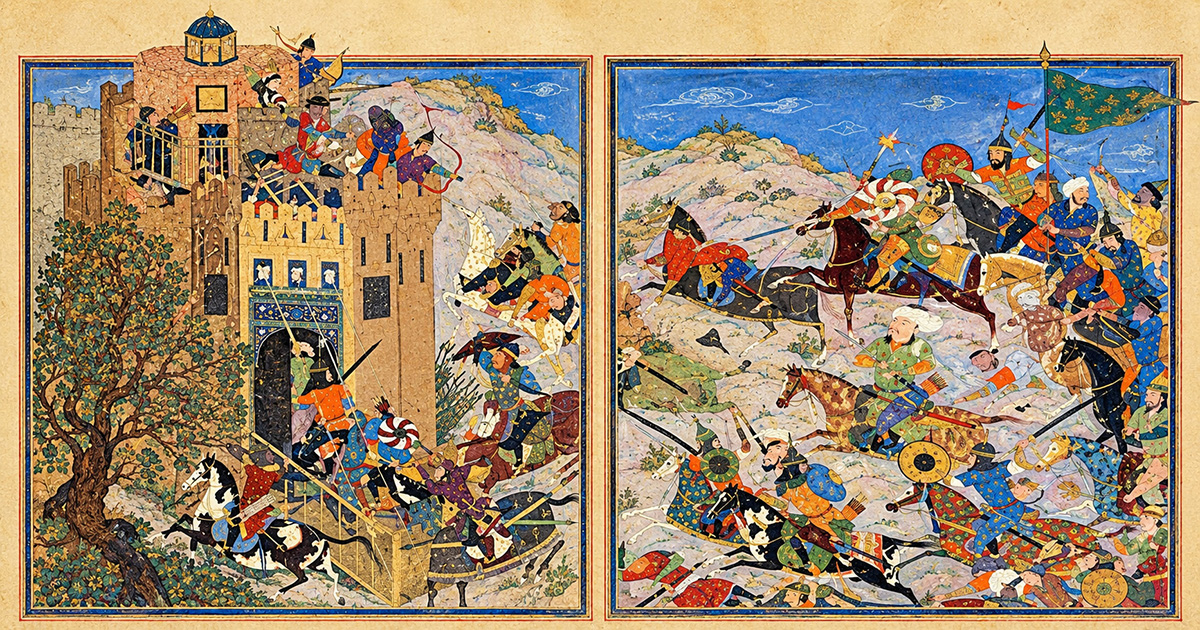
In October 1567, Akbar besieged Chittorgarh. Udai Singh retreated to Gogunda instead of sacrificing civilian lives; the fortress was defended by Jaimal & Patta until fall in February 1568.
Unlike many Rajput rulers, he also refused to marry off his daughters to the Mughal court and insisted the Rana of Mewar would not attend the Mughal court in person.
Cultural & Social Contributions
Promoted settlement by diverse communities through land grants; preserved a sacred hermit’s fire-pit (dhuni) as the coronation site, ‘Rai-Angan’.
Fostered arts, crafts, and performance traditions; his cultural support shaped Udaipur’s identity. historicindia.org/article/maharana-udai-singh-ii
Death & Succession
Died 28 February 1572 in Gogunda; initially named Jagmal as heir, but nobles instead installed Maharana Pratap on 1 March 1572. Udaipur Kiran
Administrative & Military Reforms
Organized a defensive warfare system: relying on the Aravalli terrain, he maintained a small, strategic army and forged alliances with neighboring kingdoms for regional stability.
Politically allied with Bundi’s Rao Surjan in 1554, and defeated Haji Khan Pathan of Ajmer in 1556, extending influence through diplomacy and force.
Socio-Economic & Community Planning
As part of founding Udaipur, he land-granted artisan communities, goldsmiths, brassworkers, swordsmiths, weavers, painters, and potters to foster a self-reliant economy and vibrant cultural hub.
Addressed land-preemption conflicts during the construction of Udai Sagar dam by rehabilitating displaced farmers and giving them irrigation rights.
Religious & Cultural Protocol
Maintained a sacred dhuni (holy fire) on the palace grounds, founded during the capital’s planning, ensuring its integral role in coronation ceremonies to affirm spiritual legitimacy.
Early coronations were held at Paneda (Rai-Angan) Mahal, preceding later ceremonies at Zenana Rawla, embedding religious significance into royal tradition.
Expansion & Defense Infrastructure
Strengthened Udaipur’s northwest frontier to southwestern areas: subjugated Rathors of Bhomat around 1563 and secured regions like Juda, Ogna, and Panarwa.
Commissioned the Jhali Rani’s palace at Kumbhalgarh for his Rani from Jhalawar.
.png)