Hrishikesh Moolgavkar: The Indian Air Force Hero Who Led the India’s Daring Attack on Domel Bridge in 1948
These anti-aircraft batteries positioned around Uri, Chakothi, and Domel had become one of the biggest challenges for the Indian Air Force.

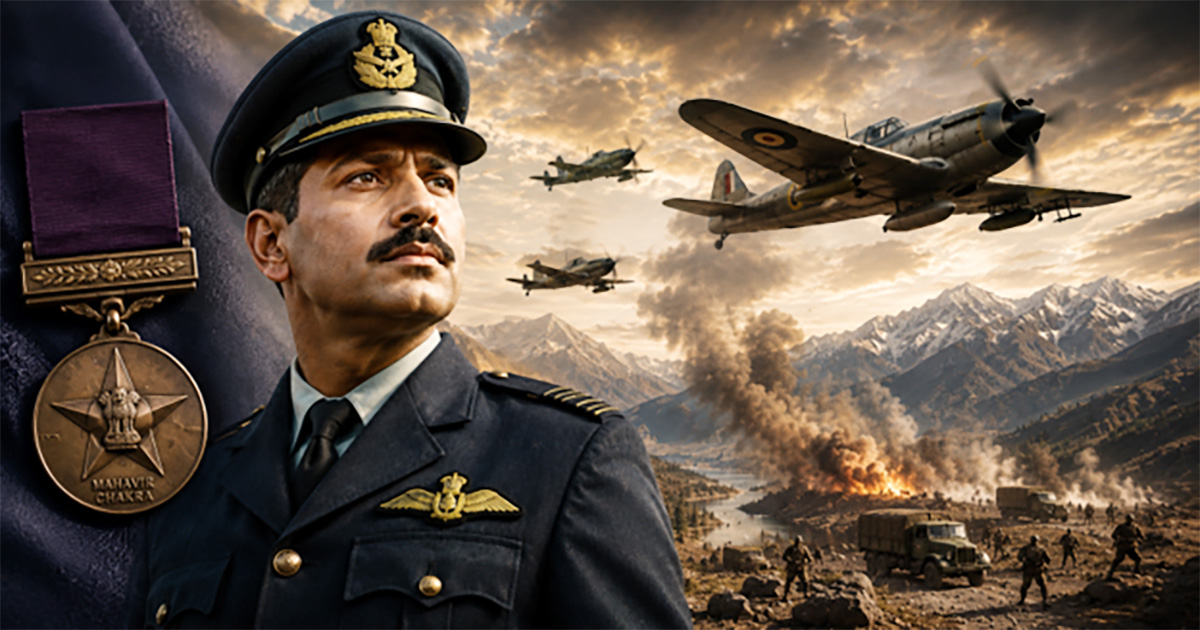
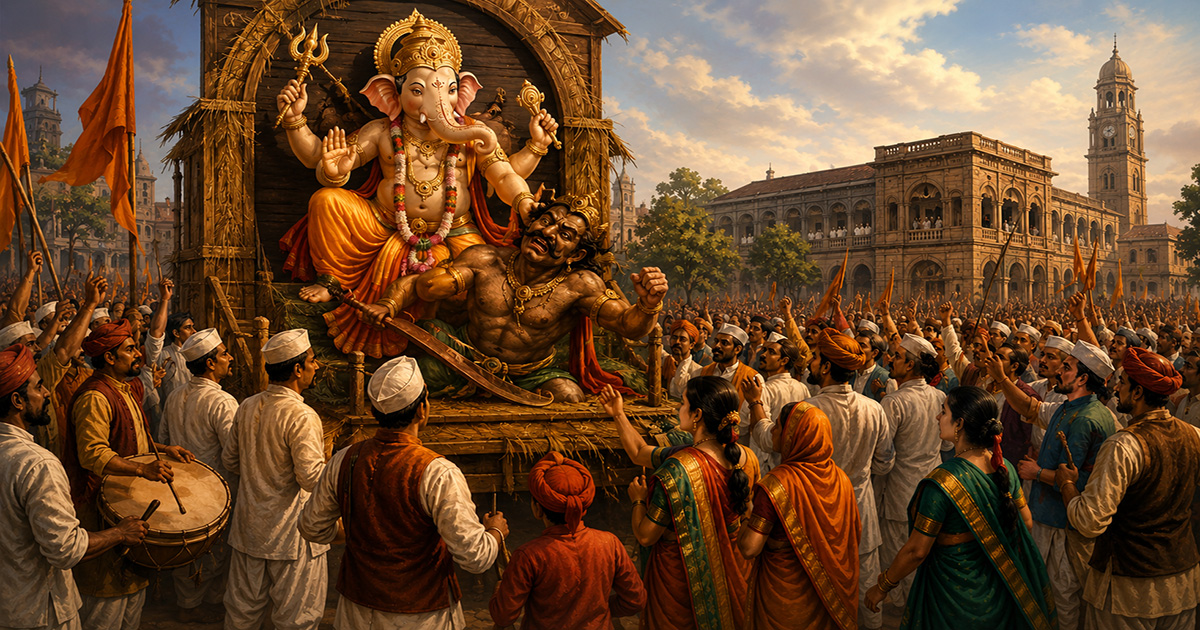
Wing Commander Hrishikesh Moolgavkar | This image is AI-generated
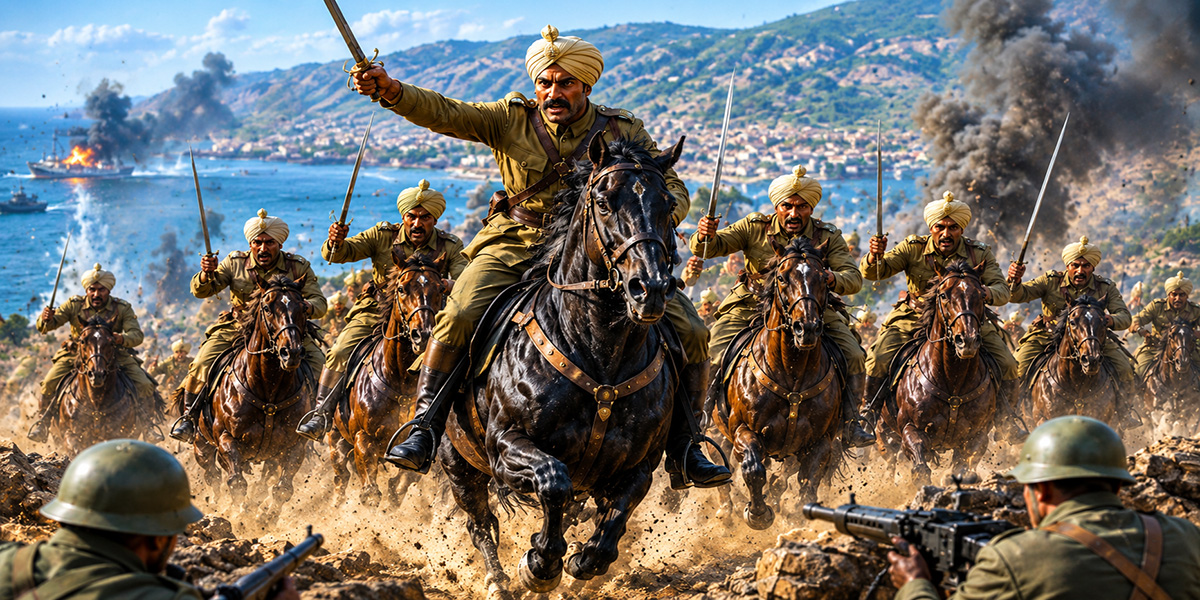
October 1948. The war in Jammu & Kashmir had reached a decisive stage. The Indian Army's 19 Infantry Division was advancing from the Uri sector, putting pressure in the direction of Muzaffarabad and Domel. But the path ahead was blocked not only by enemy soldiers, but also by a deadly network of anti-aircraft guns deployed on the mountains. These anti-aircraft batteries positioned around Uri, Chakothi, and Domel had become one of the biggest challenges for the Indian Air Force. The moment an aircraft descended to attack, it would come under a barrage of bullets and shells.
The Indian Army knew that advancing further would be difficult without putting pressure on Domel. However, the Domel Bridge was considered almost impregnable. It lay under what was described as "nearly 100 percent anti-aircraft protection." The responsibility for attacking such a target fell upon No. 1 Operational Wing based in Srinagar, commanded by the 28-year-old Wing Commander Hrishikesh Moolgavkar. His unit operated Hawker Tempest Mk-II fighter aircraft, but the challenge was not limited to enemy fire. The narrow valleys of Kashmir, towering mountains, and the dangerous compressibility effect encountered during steep dives made the mission equally perilous. In such a situation, Wing Commander Hrishikesh Moolgavkar had two choices before him: Either launch limited attacks from a safe distance or take the risk and destroy the anti-aircraft guns themselves.
He chose the second option. "Destroy the guns first. Only then can the Army advance." Moolgavkar, along with one of his squadron commanders, devised a new strategy. The enemy guns were concealed in mountainous terrain, making them difficult targets. Therefore, he decided to personally lead the attack from the front. The plan was simple but dangerous: descend to low altitude and strike directly, even if it meant flying straight into enemy fire.
The greatest danger was not merely the enemy's guns. The high mountain ranges of Kashmir posed an equally serious threat. The Hawker Tempests were carrying heavy bomb loads. During steep dives between mountains, the aircraft could accelerate to such high speeds that they might enter the "compressibility zone," a condition in which pilots could lose control of their aircraft. In other words, on one side lay enemy fire, and on the other, the risk of crashing into mountains or losing control altogether.
But Moolgavkar was not a man who believed in retreat. He personally led attacks on the anti-aircraft batteries in the Uri sector. Flying through intense enemy fire, he guided his aircraft toward their targets. As one anti-aircraft position after another was silenced, the path ahead gradually opened for the Indian Army.
The next target was Domel. This was the very Domel that could not be saved in October 1947, whose fall had dramatically altered the course of the Kashmir campaign. Now, the Indian Air Force was bringing pressure upon the same region. Moolgavkar personally led the attack on the Domel Bridge. Despite the heavy anti-aircraft defenses, he flew directly over the target and launched the strike. Under his leadership, Indian aircraft carried out effective bombing attacks against the Domel Bridge and nearby military positions.
The continuous air support enabled the Indian Army to establish and maintain links with Poonch, Kargil, and Leh. These missions were not merely bombing raids; they became a lifeline for troops fighting on the ground.
Domel was no ordinary bridge. Located near Muzaffarabad at the confluence of the Jhelum and Kishanganga (Neelum) rivers, it was a strategic hub of western Kashmir. Tribal invaders had captured Domel on 22 October 1947, and its fall had opened the road to Srinagar. Roads from Murree and Abbottabad converged there, making it a crucial route for the movement of weapons, ammunition, and troops toward the Kashmir front.
After Domel, air attacks were also carried out against targets in the Sadabad area. Continuous air support provided significant assistance to Indian military operations. This was a period when coordination between the Indian Air Force and the Indian Army was helping determine the course of the war itself. While soldiers advanced on the ground, Moolgavkar's wing cleared the way from the skies.
This story is important because Moolgavkar was not an officer who remained safely at headquarters issuing orders. When the most dangerous missions emerged, he did not send his pilots forward while staying behind. Instead, he climbed into the cockpit himself.
His Maha Vir Chakra citation specifically mentioned that he personally led difficult and hazardous operations, thereby inspiring confidence and raising the morale of his entire wing. In 1947, the fall of Domel had become a symbol of Kashmir's crisis. But in 1948, the Indian Air Force's daring attacks on the same Domel sent a different message—that the initiative now lay with India. And at the forefront of that initiative stood Wing Commander Hrushikesh Moolgavkar, a commander who led the war not from a map table, but from amidst enemy fire itself.