The Schoolteacher Who Discovered a Lost Buddhist City, Vijayapuri, Buried for 1,500 Years
An ordinary schoolteacher, Surparaju Venkataramayya, became the unknown hero who rescued one of ancient India’s greatest Buddhist treasures from oblivion: Vijayapuri.

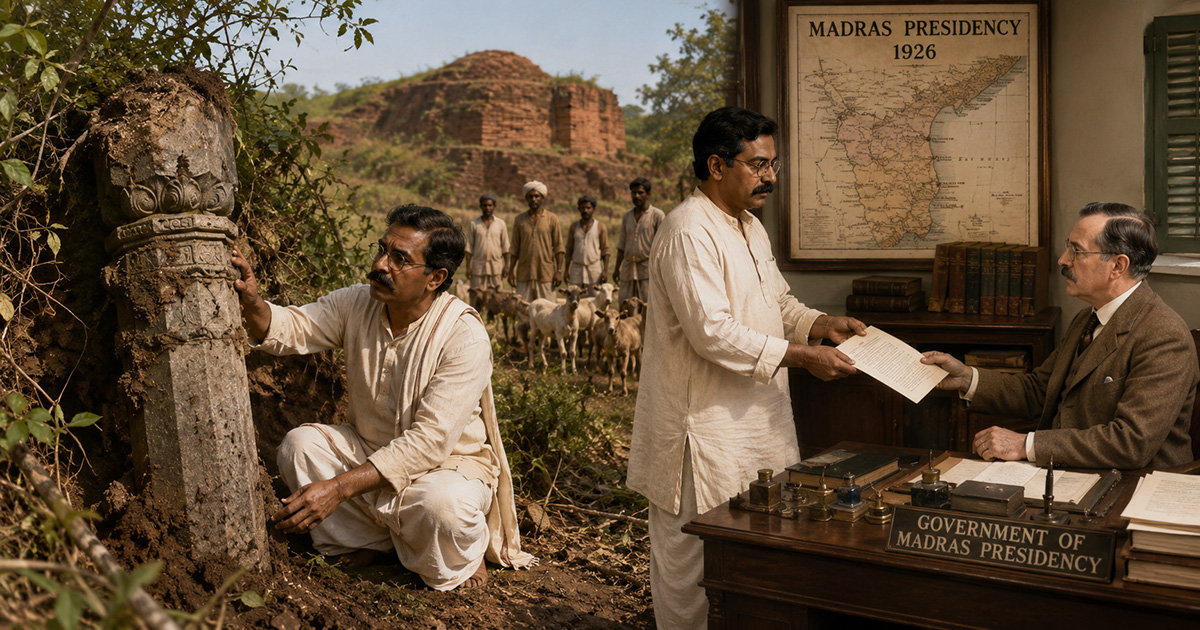
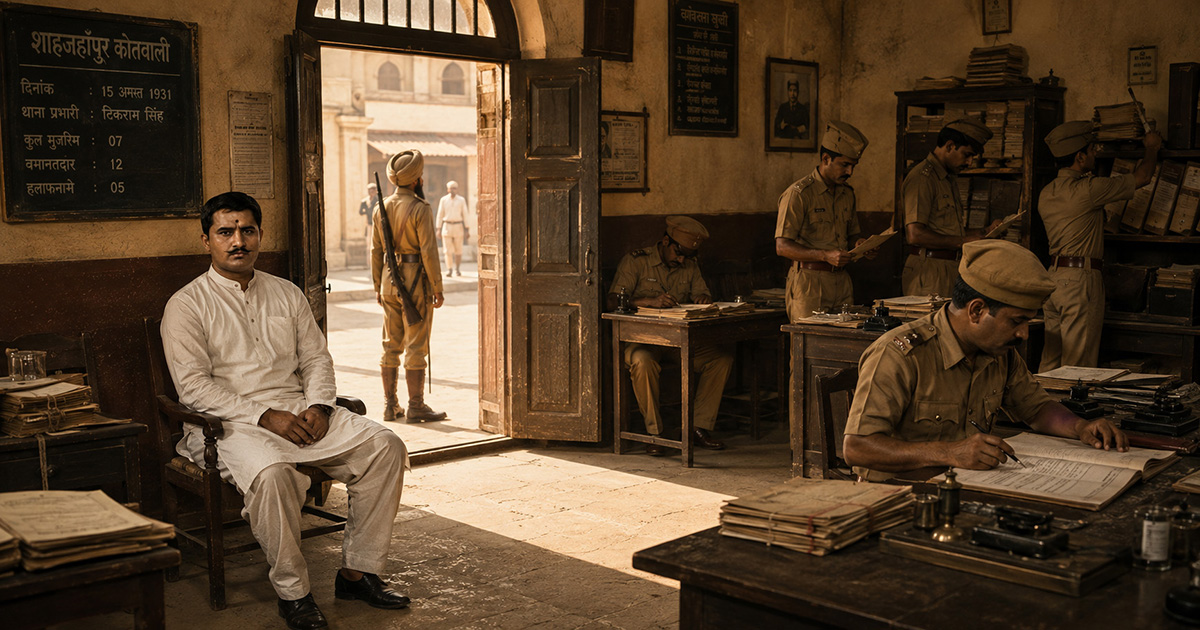
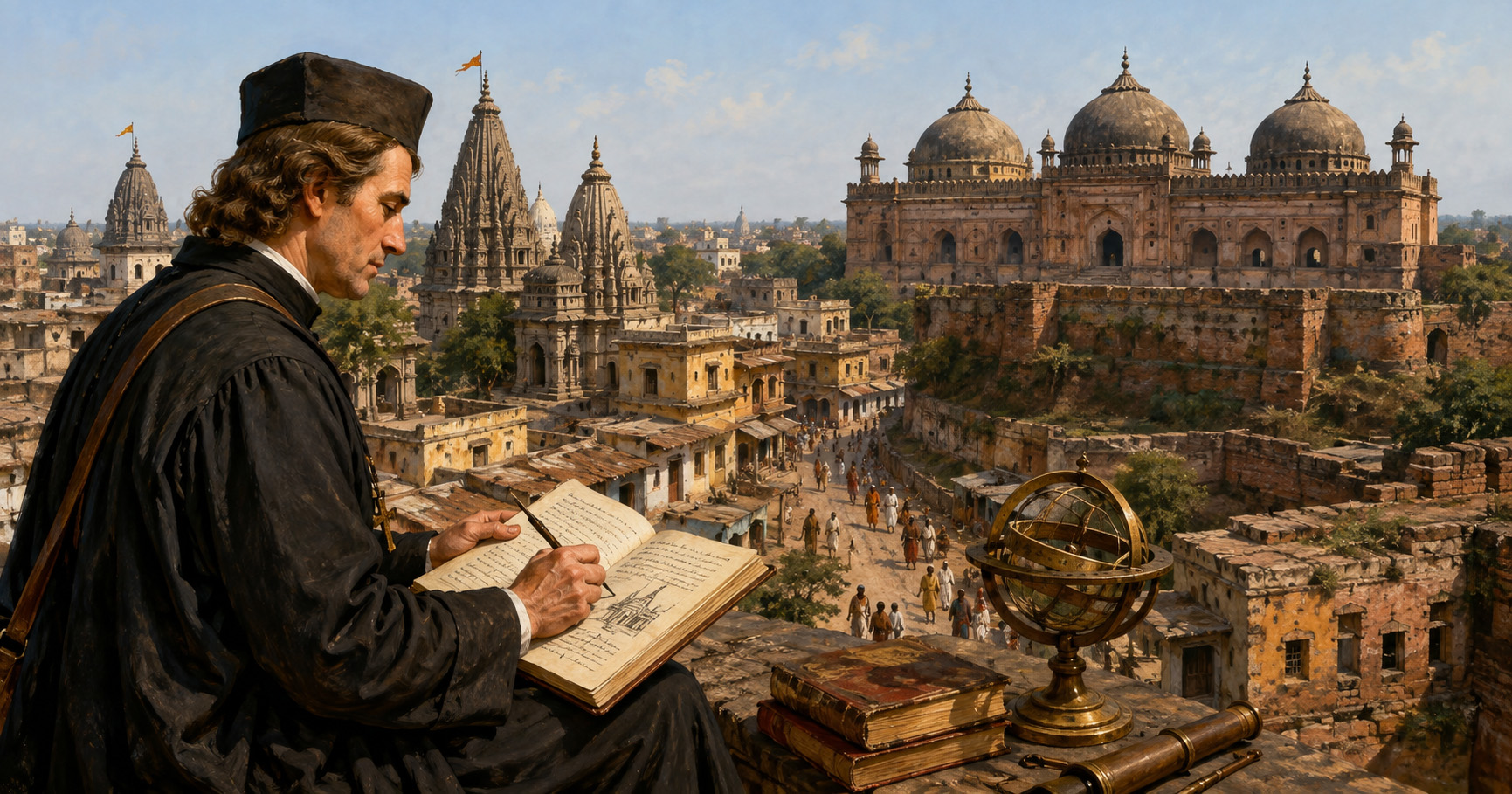
The schoolteacher who discovered the lost Buddhist city of Vijayapuri | The image is AI-generated
In the quiet town of Macherla in the 1920s, few would have noticed a humble schoolteacher going about his daily routine. Yet it was this ordinary man, Surparaju Venkataramayya, who became the unknown hero who rescued one of ancient India’s greatest Buddhist treasures from oblivion.
While listening to local cowherds and shepherds in the Krishna River valley, Venkataramayya heard intriguing tales of overgrown brick mounds and strange stone pillars emerging from the jungle. Driven by curiosity, he ventured into the wilderness himself. There, amid the dense vegetation, he discovered an ancient pillar — a silent witness to a long-forgotten city. Recognizing its historical importance, he promptly reported the finding to the Madras Presidency government in 1926.
That single, unassuming act set in motion a chain of events that would eventually reveal Vijayapuri (later known as Nagarjunakonda), the prosperous capital of the Ikshvaku dynasty (c. 225–340 CE) and a premier center of Buddhism in South India.
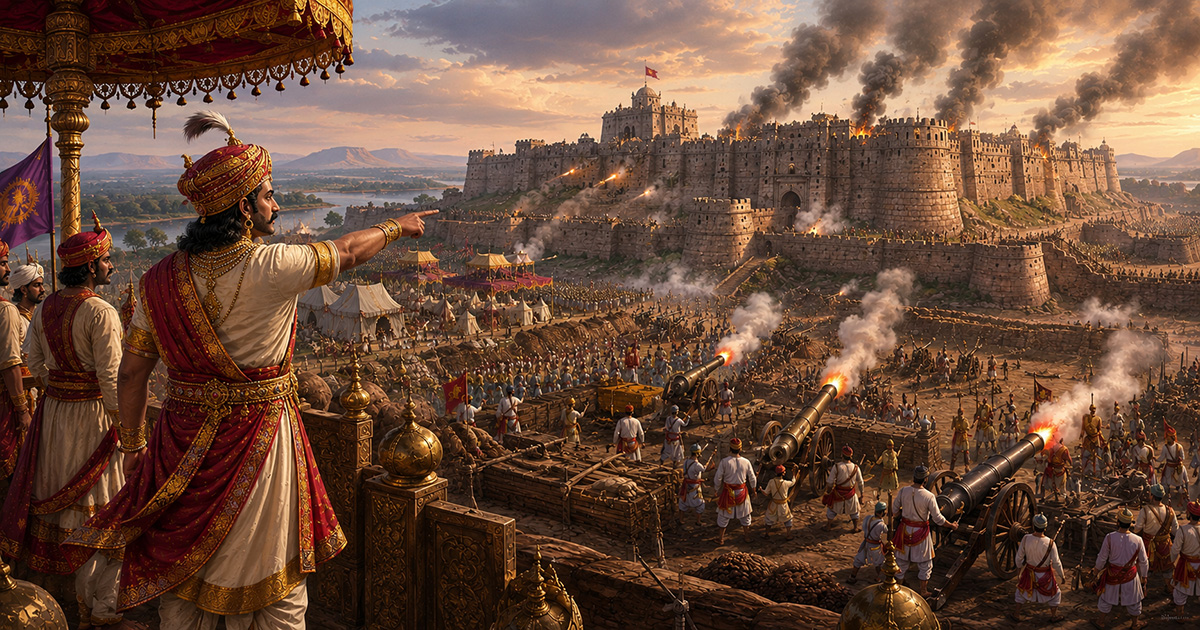
Following Venkataramayya’s report, archaeologists descended on the site. Excavations uncovered a thriving ancient city where kings practiced Vedic rituals while royal women generously patronized Buddhism, creating a harmonious blend of traditions. Influenced by the great philosopher Acharya Nagarjuna, the city flourished with magnificent stupas, monasteries, temples, educational institutions, and exquisite sculptures that reflected strong trade ties with the Roman world.
For nearly 1,500 years after the Ikshvaku decline, the city had lain buried under layers of soil and jungle, its memory erased from collective consciousness. It was the schoolteacher’s alertness that brought Vijayapuri back into the light of history.
Decades later, in the 1950s, this discovery proved crucial. As independent India planned the massive Nagarjuna Sagar Dam on the Krishna River to combat drought and usher in development, engineers realized the proposed reservoir would completely submerge the valley containing Vijayapuri’s ruins.
Because the site had already been identified thanks to Venkataramayya’s report, the Archaeological Survey of India (ASI) was able to act. Under Dr. R. Subrahmanyam, one of India’s largest salvage archaeology missions was launched in 1954. For six years, teams excavated over 130 sites, recovered thousands of artifacts, and meticulously dismantled and relocated key monuments stone by stone to higher ground, including Nagarjunakonda Island and Anupu. A museum was established to preserve the rescued heritage.
On August 4, 1967, the Nagarjuna Sagar Dam became operational. The ancient valley disappeared beneath the rising waters, but the city’s legacy endured.
Today, visitors to Nagarjunakonda Island — reachable by ferry across the reservoir — can marvel at the reconstructed stupas, monasteries, and priceless sculptures housed in the island museum. The dam provides irrigation, power, and water to millions, while the museum stands as a testament to India’s commitment to preserving the past even amid progress.
Surparaju Venkataramayya never sought recognition or fame. He was not an archaeologist, scholar, or government official — just a dedicated schoolteacher with sharp eyes and a sense of duty. Yet his modest initiative in 1926 made possible one of the most remarkable salvage operations in Indian history.
He remains the unknown hero behind the discovery of Vijayapuri — a reminder that history is often preserved not by grand figures alone, but by ordinary individuals who pay attention, act with integrity, and connect the past with the future. Thanks to him, even as the waters of the Nagarjuna Sagar reservoir cover the original site, the spirit and achievements of an ancient Buddhist center continue to inspire.