Chimthana Bus Action 1944: How Nana Patil Seized a British Treasury to Help Indian Farmers?
The men behind the operation had no intention of keeping the money for themselves, but of giving it back to farmers who truly deserved it.

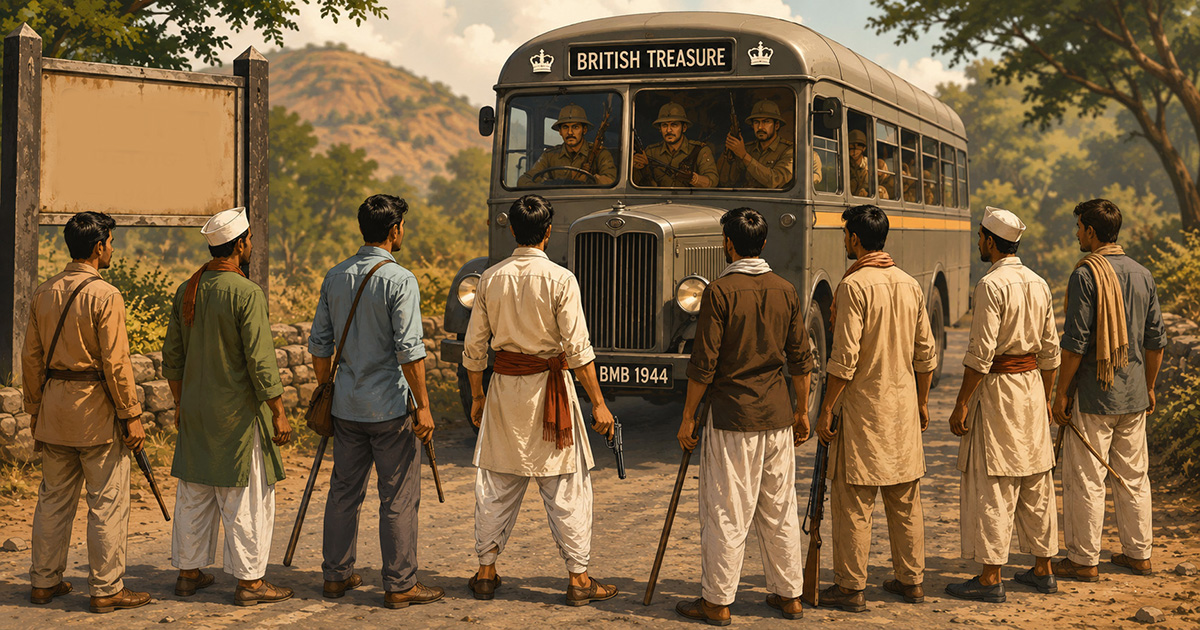
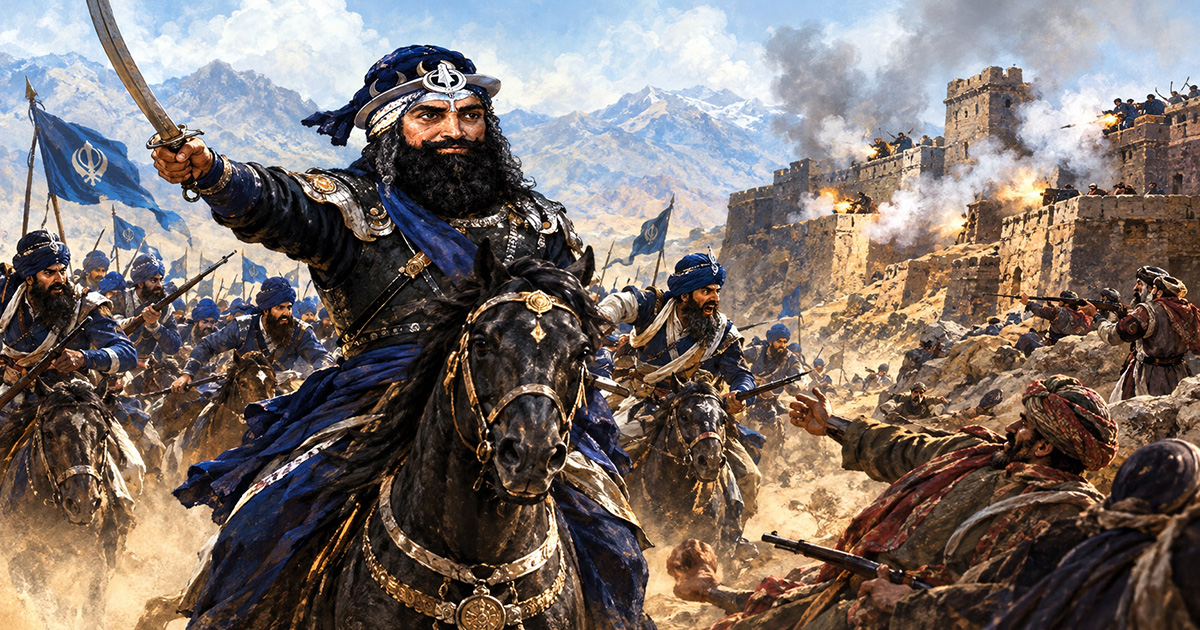
Chimthana Bus Action | This image is AI-generated
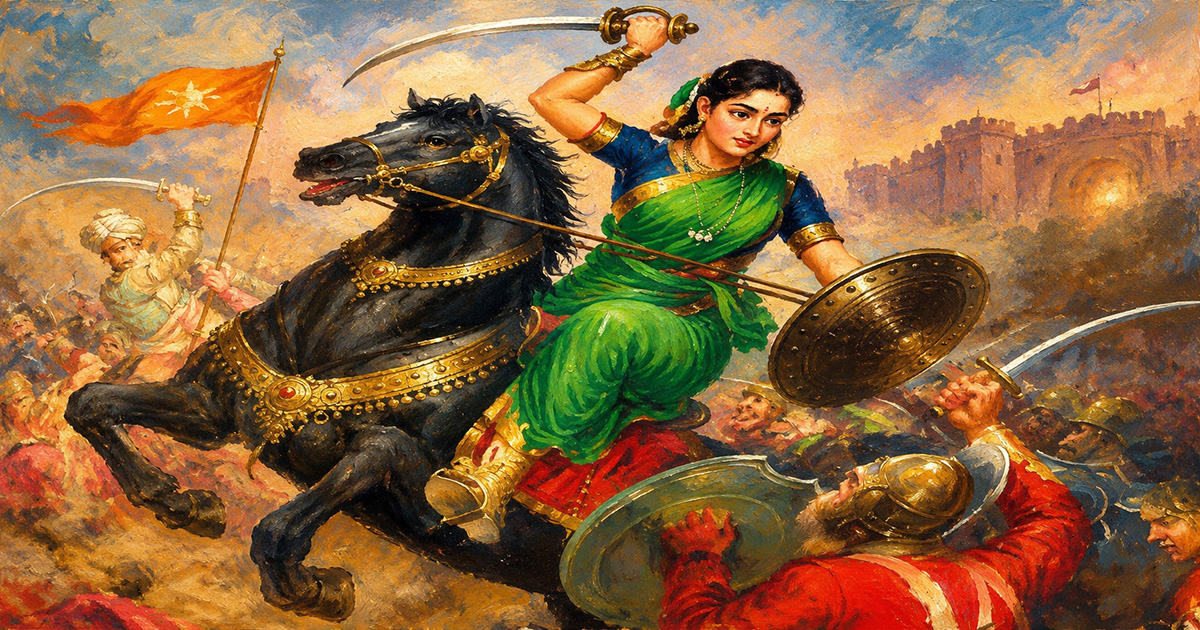
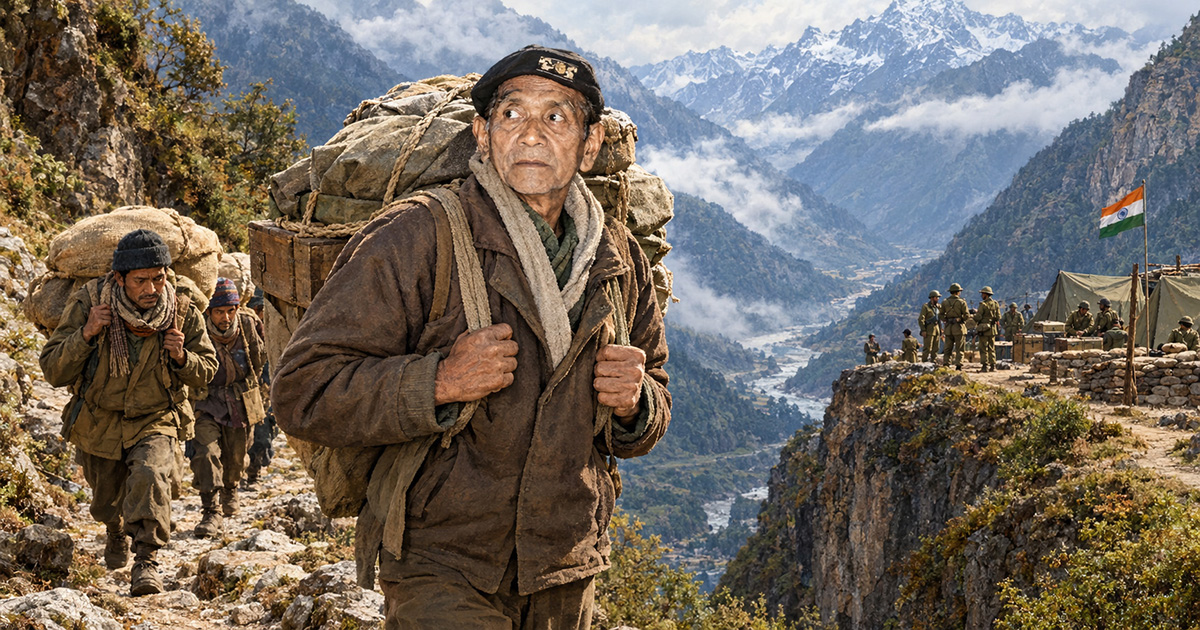
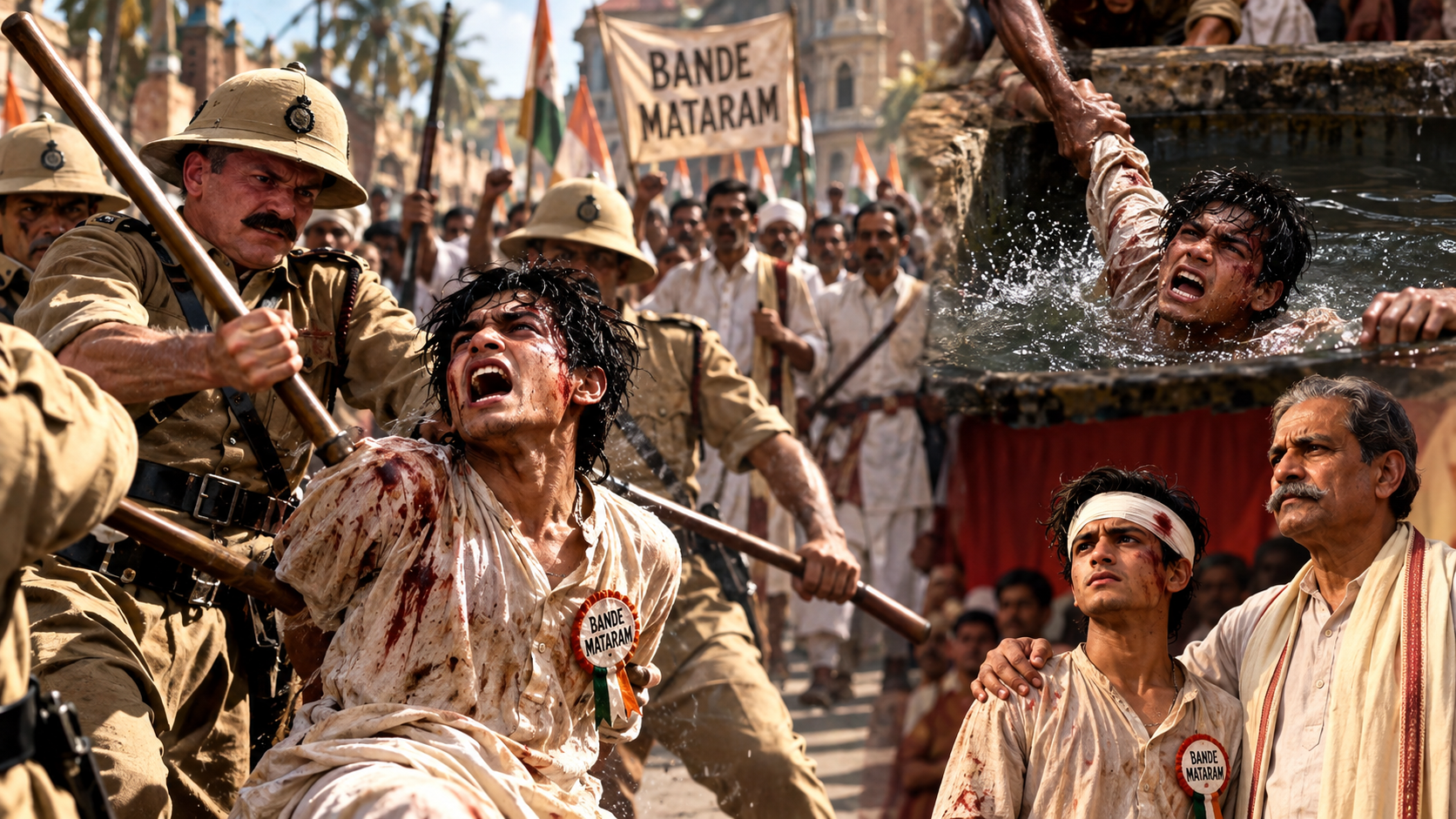
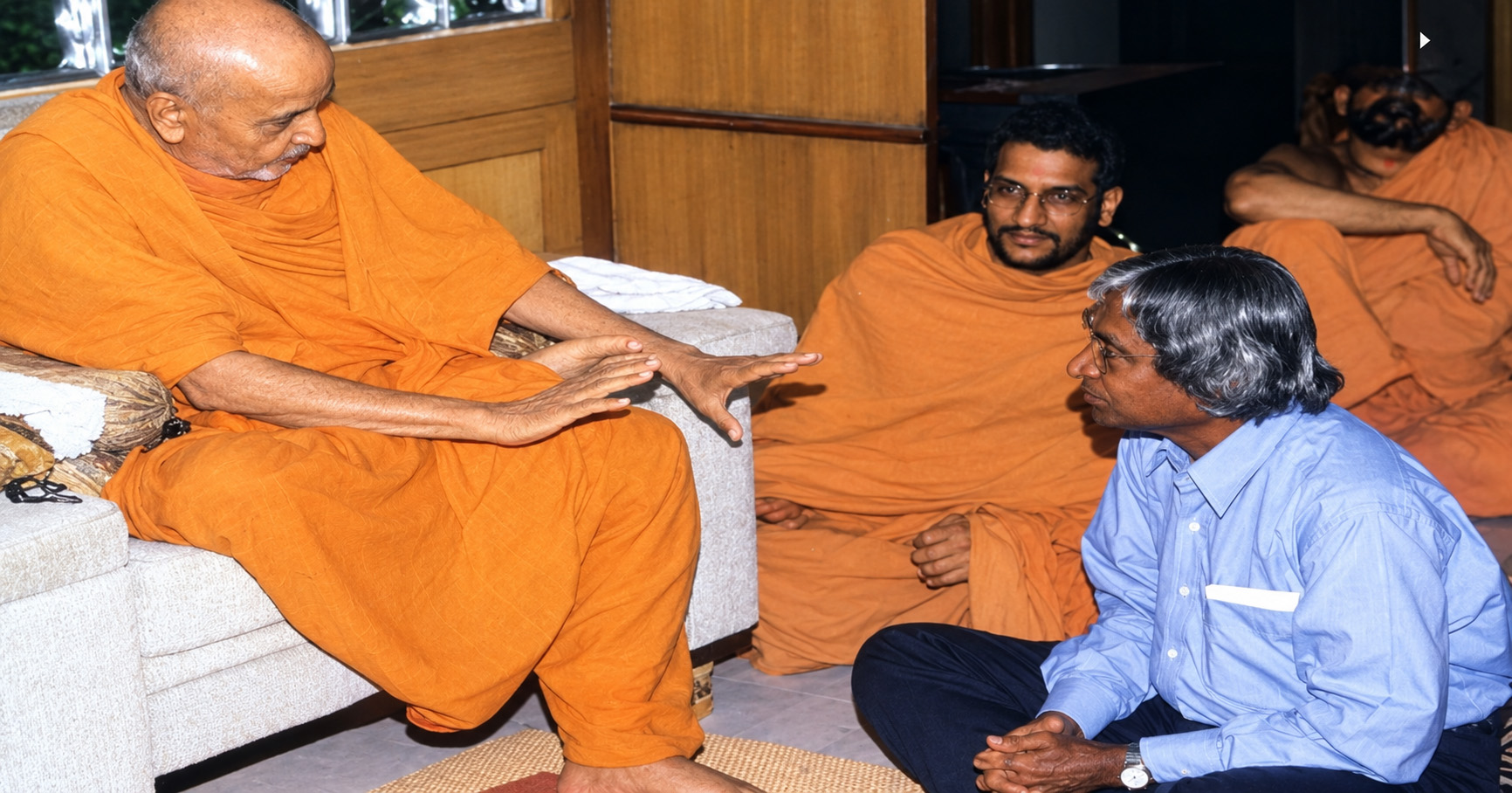
In 1944, a British treasury bus, carrying ₹5 lakh, was on a road near Chimthana, in Maharashtra. Waiting ahead were eight Indian revolutionaries. As the bus approached Chimthana, all eight revolutionaries stepped in front of the bus and blocked its path. The British guards quickly realized what was happening. Within moments, a fierce gun battle erupted. For nearly two hours, both sides fought for control of the treasury. But this was no ordinary robbery. The men behind the operation had no intention of keeping the money for themselves, but to give it back to farmers who truly deserved it. The money inside had been squeezed out of poor peasants through cruel taxes, even when they had barely enough food to survive. This whole incident was masterminded by revolutionary Nana Patil. Nana Patil Rattled the Raj With an Alternate Govt | Image Source: India West
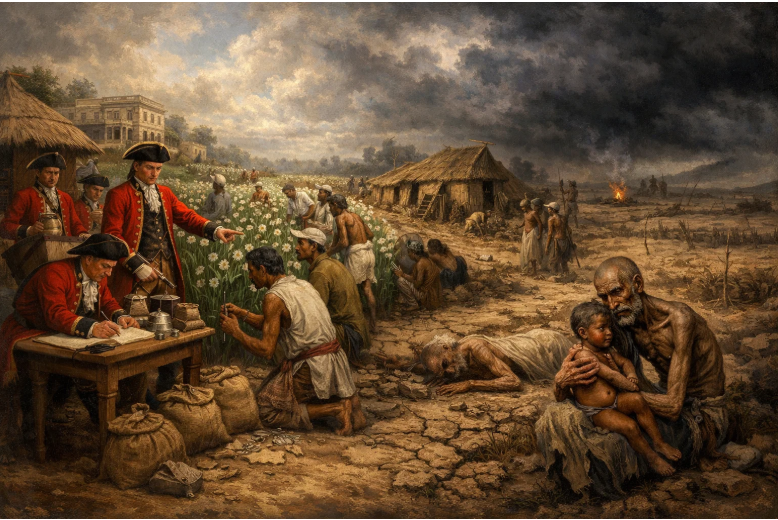
To understand this story, we need to take a step back to the 1930s. Nana Patil was a revenue collector (Talathi) under the British Administration. During that period, in Chimthana, a large village located in the Dhule district, Maharashtra, when crops failed, families struggled to survive, and entire villages faced hunger. Yet the British government continued demanding taxes. Nana Patil’s role was to seize land, livestock, and grain from farmers who could not pay revenue. Watching starving families lose their last possessions deeply disturbed him. Realizing that he was being used against his own people, he resigned from government service after eight years and joined the freedom struggle.
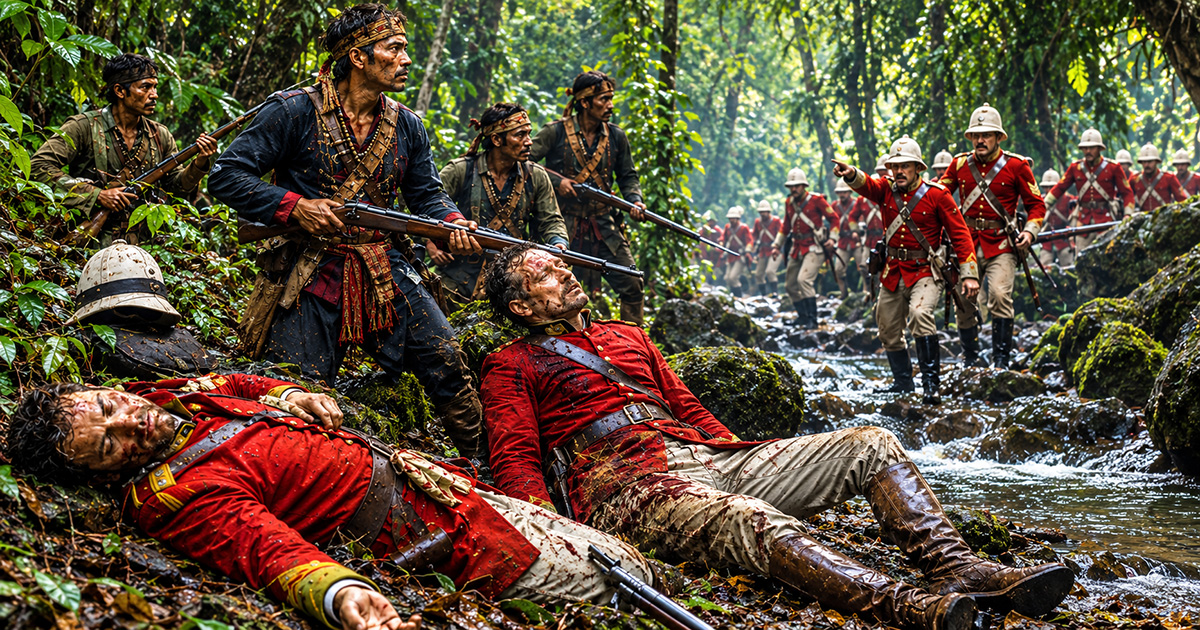
Over time, Nana Patil emerged as one of the most influential nationalist leaders in the Satara region. In August 1943, he established the Prati Sarkar (Parallel Government), an underground administration that operated independently of British authority. The Prati Sarkar governed more than 600 villages, ran local courts, resolved disputes, organized welfare programmes, and provided administration for ordinary villagers. For many people, it became a practical alternative to colonial rule. But running a parallel government required money. That is why the treasury bus became a target; they viewed the funds inside not as British property, but as wealth extracted from Indian farmers through an unjust system. This led to the Chimthana Bus Action. The Prati Sarkar in Satara | Image Source: Liberation
So just as the revolutionaries stepped in front of the bus, trying to stop it, a fierce battle began. The British guards fought to protect the treasury, while Nana Patil and the other revolutionaries refused to retreat. After nearly two hours of gunfire, the revolutionaries finally gained control of the treasury boxes and carried them away. The operation was a complete success. What happened next made the incident truly remarkable. Not a single rupee was taken for personal gain. Of the captured funds, approximately ₹2.5 lakh was used to sustain the Prati Sarkar, funding village courts, welfare centres, and relief efforts for drought-affected families. Another ₹1.25 lakh was secretly sent to Bombay to support freedom fighters and strengthen the wider independence movement. The remaining ₹1 lakh was used to help farmers escape debt and exploitation by moneylenders.
Thus, the Chimthana Bus Action became one of the boldest operations carried out during India's freedom struggle, as it meant an end to the sufferings of the farmers that had been going on for a long period since the 1930s. Whereas for Nana Patil, freedom was not simply about ending British rule. It was also about protecting ordinary people from poverty, injustice, and exploitation. The Chimthana Bus Action reflected that vision.