Kakori Train Action: When Ram Prasad Bismil Could Have Escaped After His Arrest, But Chose to Sacrifice
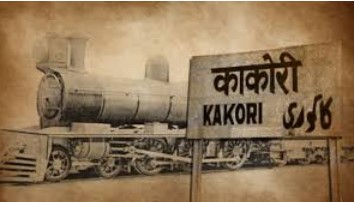
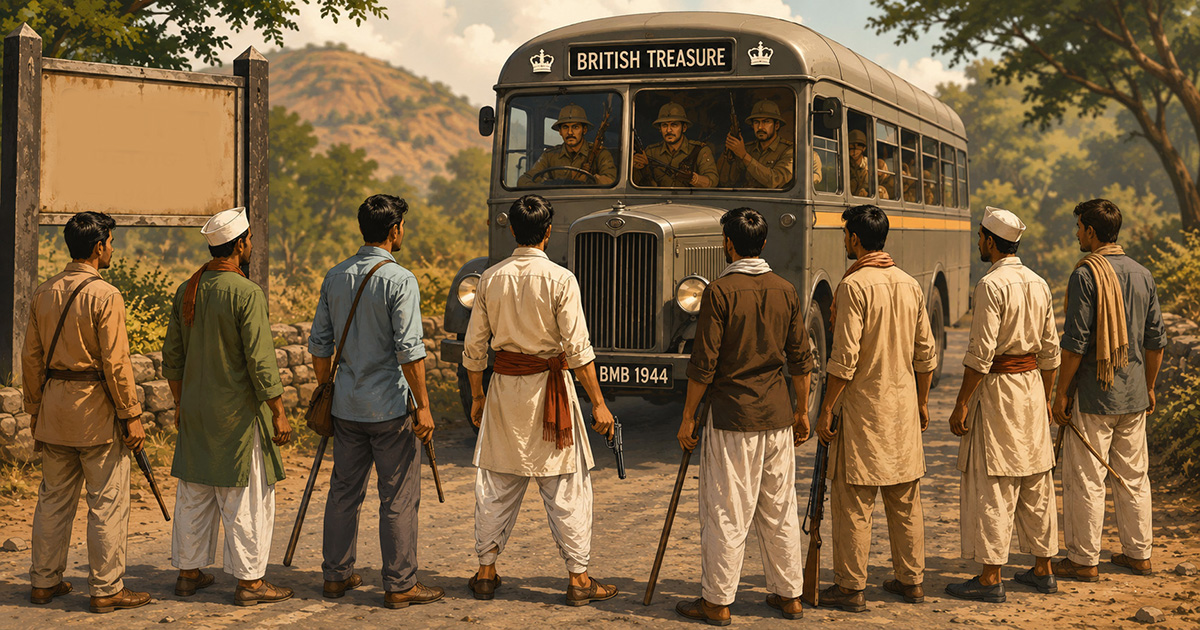
It is worth noting that in the Kakori Train Action on August 9, 1925, revolutionaries stopped a train carrying government treasury funds near Kakori station, close to Lucknow, and seized the money.

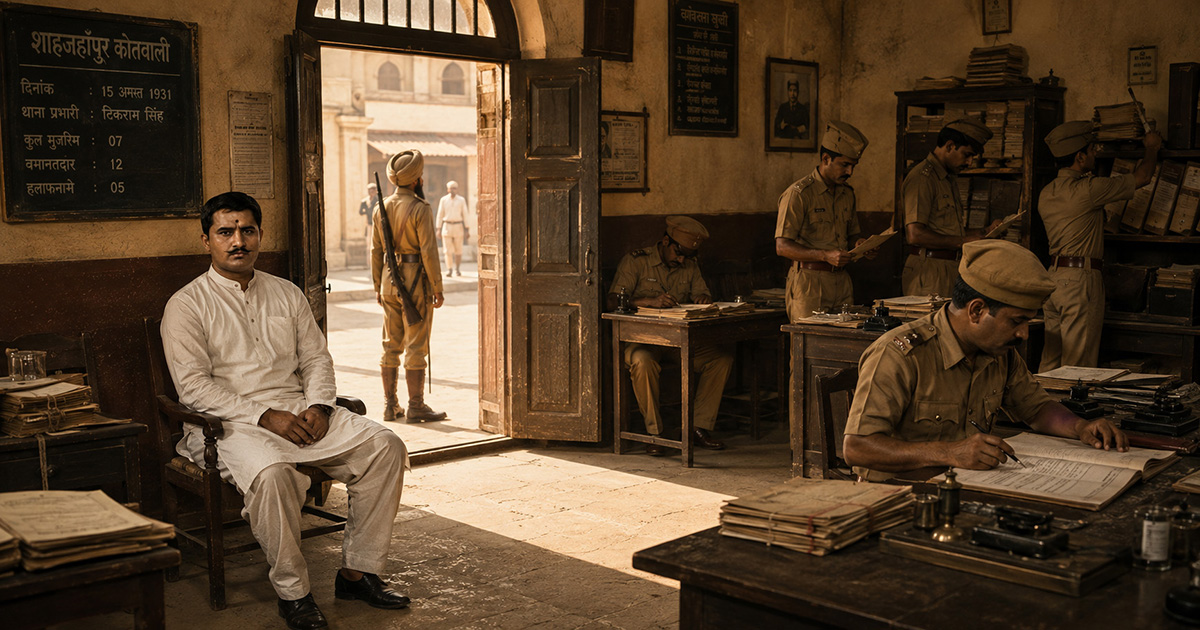
Revolutionary Ram Prasad Bismil arrested following the Kakori Train Action | This image is AI-generated
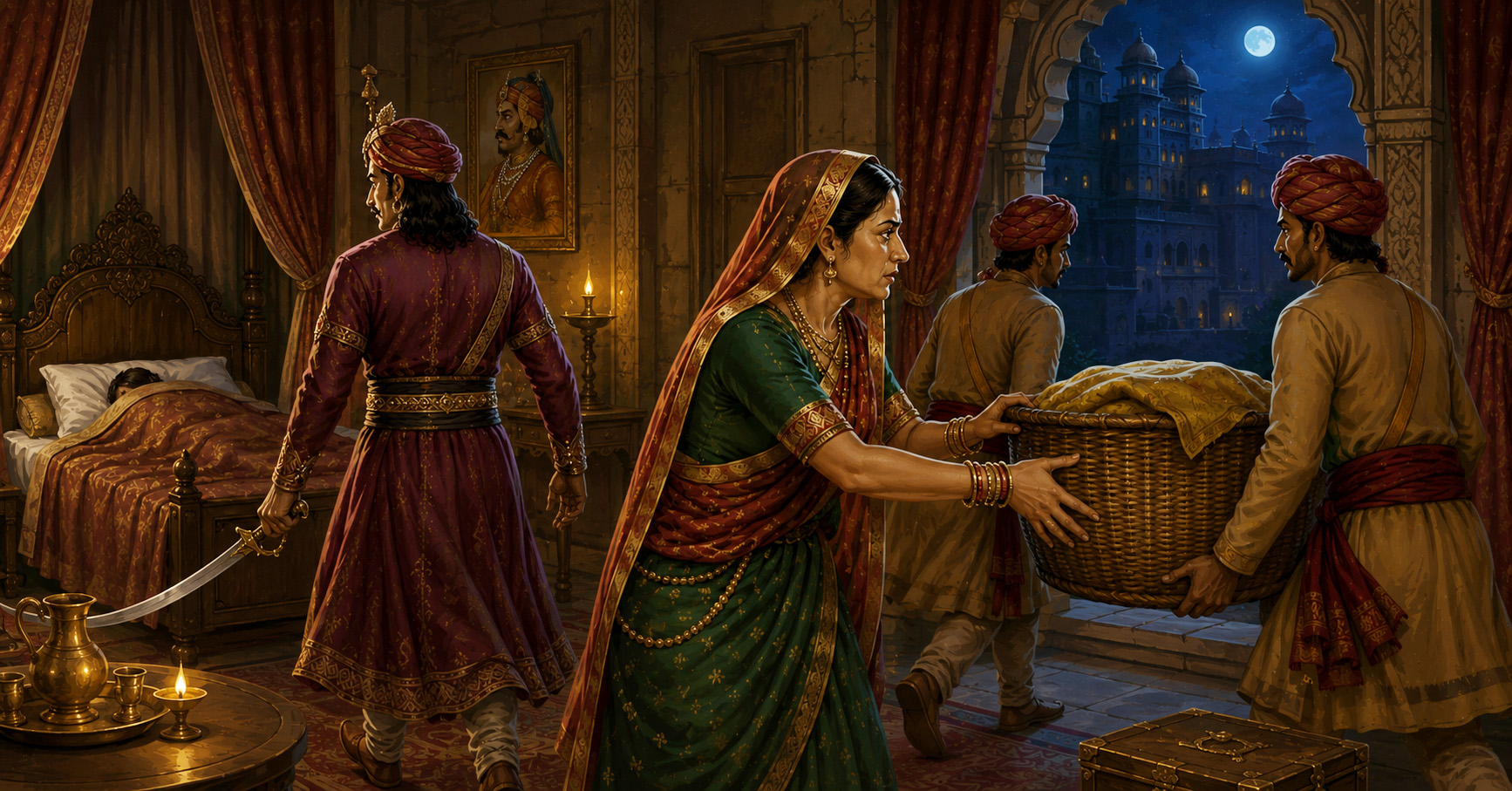
After the Kakori Train Action on August 9, 1925, the British government was completely rattled. Simultaneous raids were being conducted across several cities in northern India, and the search for the leading revolutionaries of the Hindustan Republican Association (HRA) had intensified. As part of this campaign, about a month and a half later, Ram Prasad Bismil was arrested from his home in Shahjahanpur.
British officials believed they had captured the man who had not only looted the government treasury and openly challenged British authority but was also the backbone of the revolutionary movement. After his arrest, Bismil was brought to the Shahjahanpur Kotwali (police station), where Tikaram was serving as the Kotwal. Interestingly, Bismil was neither handcuffed nor treated like a dangerous criminal. He was even offered a chair to sit on respectfully. Perhaps the police were convinced that this revolutionary could no longer escape from their custody.
At the police station, preliminary interrogation and paperwork began. Gradually, all the officers and staff became occupied with the formalities required before sending him to jail. Some were preparing documents, while others were issuing necessary instructions to subordinate employees. In the midst of this, a moment arrived when Ram Prasad Bismil was almost left alone.
Only an ordinary constable remained to watch over him. The constable was so impressed by Bismil's personality that he neither handcuffed him nor kept a particularly close watch on him. Had Bismil wished, he could have walked out of the police station within moments. There was no strong guard, no locked door, and no one imagined that India's most wanted revolutionary could slip away so easily. Before him stood a golden opportunity to choose between life and death.
But at that very moment, a different struggle began within Bismil's mind. On one side was his freedom; on the other was the trust of a simple constable.
He knew that if he escaped, the first person to suffer would be the innocent constable whose duty was to guard him. The man would lose his job, and his family would face hardship. Thinking of this, Bismil stopped himself.
Later, while referring to this incident in his autobiography and in "Kakori Ke Shaheed", he wrote that he could have escaped easily, but he was unwilling to save his own life by betraying the trust of that constable. He further wrote that he wanted to build not a band of cowards, but a group of revolutionaries who were prepared to pay any price for their principles. For him, morality and character were more important than personal survival.
After some time, once all the formalities had been completed, the police sent him to jail. The British authorities had no idea that the man they proudly believed to be securely in their custody had possessed a perfect opportunity to escape only a short while earlier.
Even after being imprisoned, Bismil's spirit remained unbroken. British officials repeatedly tried to strike a deal with him. They offered inducements, promising that if he provided information about revolutionaries in Bengal and northern India, he would receive a lighter sentence, be sent abroad, and even be given financial assistance.
But Bismil rejected every proposal. For him, freedom was not merely a political struggle; it was also a battle for character, ideals, and self-respect. Thereafter, the trial in the Kakori Conspiracy Case began. After proceedings that lasted nearly a year and a half, Sessions Judge Hamilton sentenced Ram Prasad Bismil to death.
On the morning of December 19, 1927, chanting “Vande Mataram” and “Bharat Mata Ki Jai,” he walked to the gallows and joyfully laid down his life for the nation.
This episode from the life of Ram Prasad Bismil is not only a story of revolutionary courage but also a testament to the greatness of his character. The man who challenged the British Empire was the same man who refused to save his own life by breaking the trust of an ordinary constable.
Even today, this incident reminds us that for Bismil, revolution did not simply mean taking up arms. It also meant upholding moral values and human compassion. Perhaps that is why, nearly a century later, Ram Prasad Bismil is remembered not merely as a martyr, but as a symbol of ideals, trust, and sacrifice.
It is worth noting that in the Kakori Train Action on August 9, 1925, revolutionaries stopped a train carrying government treasury funds near Kakori station, close to Lucknow, and seized the money. The objective was to raise resources for revolutionary activities against British rule. In this case, 29 individuals were put on trial, of whom 19 received various punishments. Among them, four revolutionaries, including Ram Prasad Bismil and Rajendra Nath Lahiri, were sentenced to death, while the others received sentences ranging from life imprisonment to terms of 3 to 14 years.