₹4,000 Robbery vs ₹8 Lakh Trial: How Kakori Investigation Bled the British Empire 200 Times Over

A robbery of less than ₹4,000 ended up costing the British Empire nearly ₹8 lakh, which is nearly 200 times more than the amount robbed by Indian Freedom Fighters. Why and when did the British spend so much to prosecute the Indians?
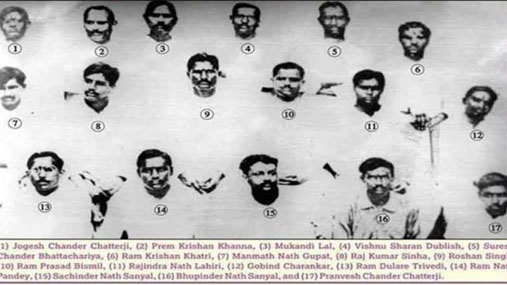
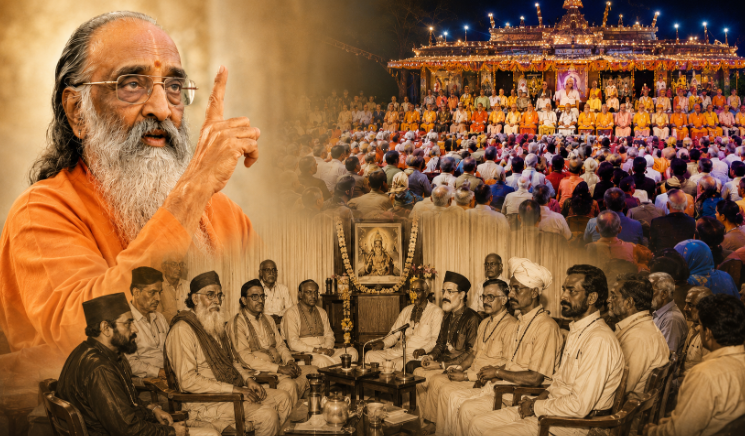
Images of Indian freedom fighters executed during the Kakori investigation
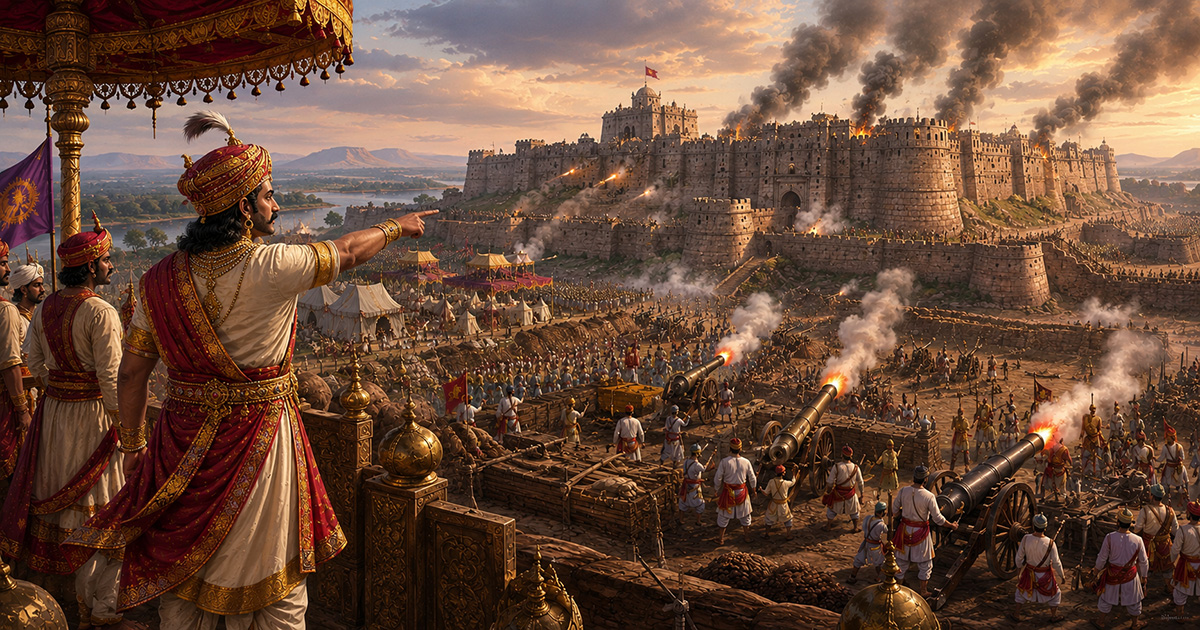
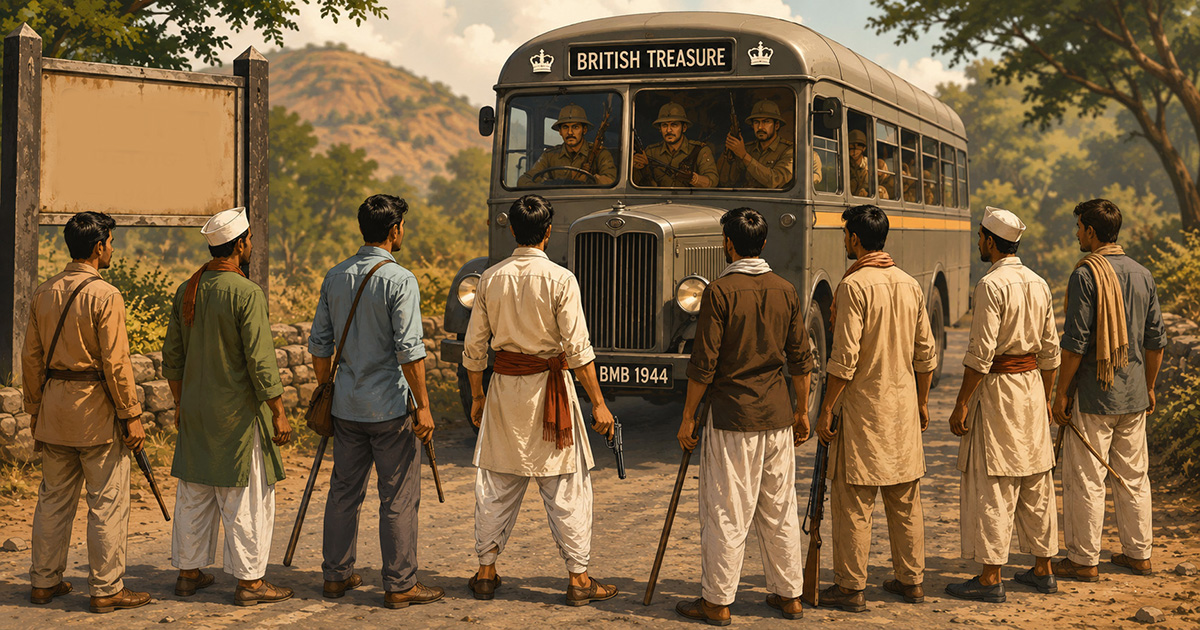
On 9 August 1925, at Kakori, near Lucknow, a small group of Indian Freedom Fighters belonging to the Hindustan Republican Association (HRA) stopped a train and seized government money meant for colonial administration. They stole a sum between Rs 4000 and Rs 4,500. For the British Empire, this amount was modest. For the British, Kakori was not about lost cash—it was about a direct challenge to imperial authority. But the method adopted by the Indian revolutionaries led to the biggest manhunt in the history of British India and the hanging of some of the freedom fighters involved. The Britishers wanted to set an example.
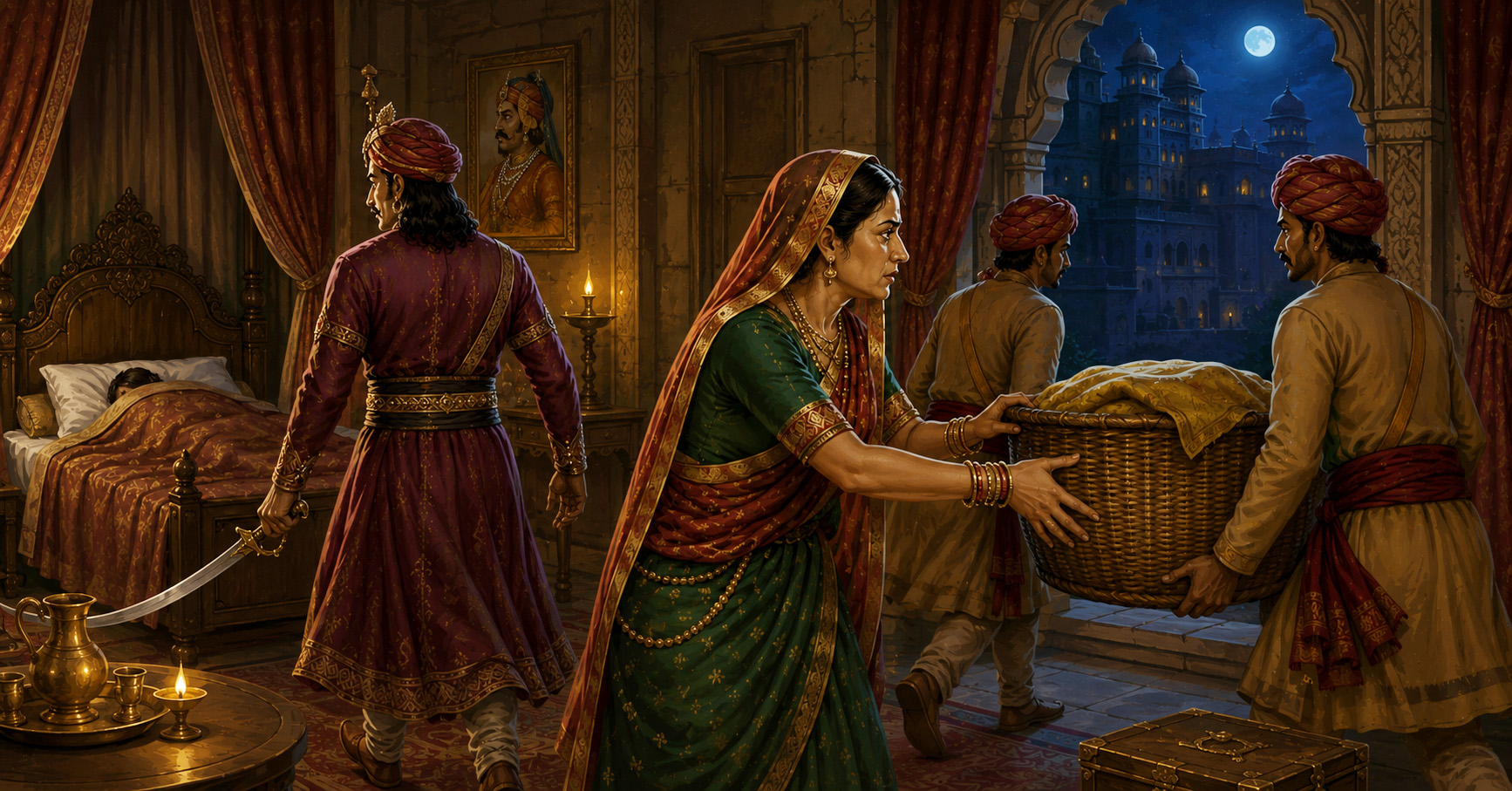
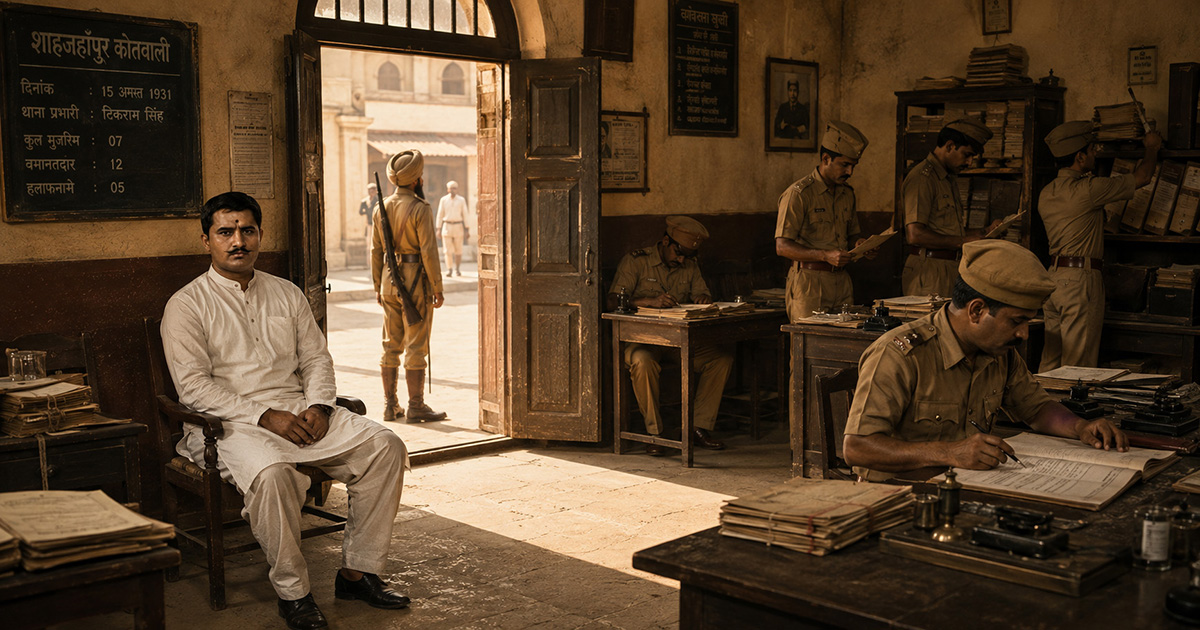
The investigation began with a bedsheet that was left behind at the scene near Kakori. To the revolutionaries, it seemed insignificant. To the colonial police, it became a rare opening. The cloth bore a dhobi’s identification mark, a system commonly used by washermen to track customers’ laundry. Investigators traced the mark through local washermen until it led them to Banarasilal of Shahjahanpur, a trader who was known to be in contact with Ram Prasad Bismil and other members of the HRA.
Banarasilal was arrested. Once in custody, Banarasilal faced sustained interrogation. Cut off from allies and confronted with the threat of severe punishment, he eventually revealed names, addresses, and meeting points connected to the revolutionary network. What followed was not a series of isolated arrests, but a coordinated nationwide crackdown. On the night of 26 September 1925, British police units moved simultaneously across multiple cities, executing warrants prepared in secrecy to prevent any warning from spreading.
By morning, sixteen revolutionaries had been arrested from different parts of the country. The sweep was intended to decapitate the leadership of the movement and shatter its morale in one stroke. Yet one figure slipped through the dragnet—Chandrashekhar Azad. Narrowly avoiding capture, Azad vanished into the underground, abandoning safe houses and contacts, and adopting new identities. His escape deeply unsettled the colonial administration.
The trial itself became an exercise in imperial power. For ten months, the Kakori Conspiracy Case was heard in Lucknow at the Hazratganj GPO’s Ring Theatre Hall. The British appointed Pandit Jagat Narayan Mulla as public prosecutor and paid him ₹500 a day, an extraordinary sum at the time. Nearly ₹3 lakh was spent on legal proceedings alone. Judges accepted the prosecution’s arguments, and on 6 April 1927, the verdict was pronounced. Justice, it seemed, had been measured not in fairness, but in fear.
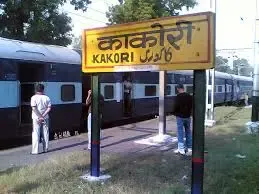
Kakori train robbery
In December 1927, the sentences were carried out with elaborate planning. Rajendra Nath Lahiri was hanged on 17 December 1927 in Gonda, two days early, because the British feared a rescue attempt. On 19 December 1927, Ram Prasad Bismil, Ashfaqulla Khan, and Thakur Roshan Singh were executed in Gorakhpur, Faizabad, and Allahabad. By the end, the Empire had spent nearly ₹8 lakh to avenge a robbery of a few thousand rupees—revealing a truth that still echoes today: it was never the money that frightened the British, but the idea that Indians were no longer afraid.
The Kakori case, meant to end armed resistance, instead produced its most enduring symbol—an underground revolutionary the Empire could never fully control. From that moment on, Chandrasekar Azad became more than a fugitive—he became a permanent anxiety for the British police. Reports repeatedly warned of his movements, sightings, and suspected plans. While the arrests and the prosecution gave a courtroom victory to the British, Azad’s disappearance ensured that the revolutionary spirit survived.
.png)