Mirpur Massacre: Did the Beginning of the End of Article 370 Start in Mirpur? Read the Complete Story of the Bloody Struggle of 1947
Many struggles were fought throughout history to keep Jammu and Kashmir an integral part of India. One of those struggles was the Mirpur Massacre.

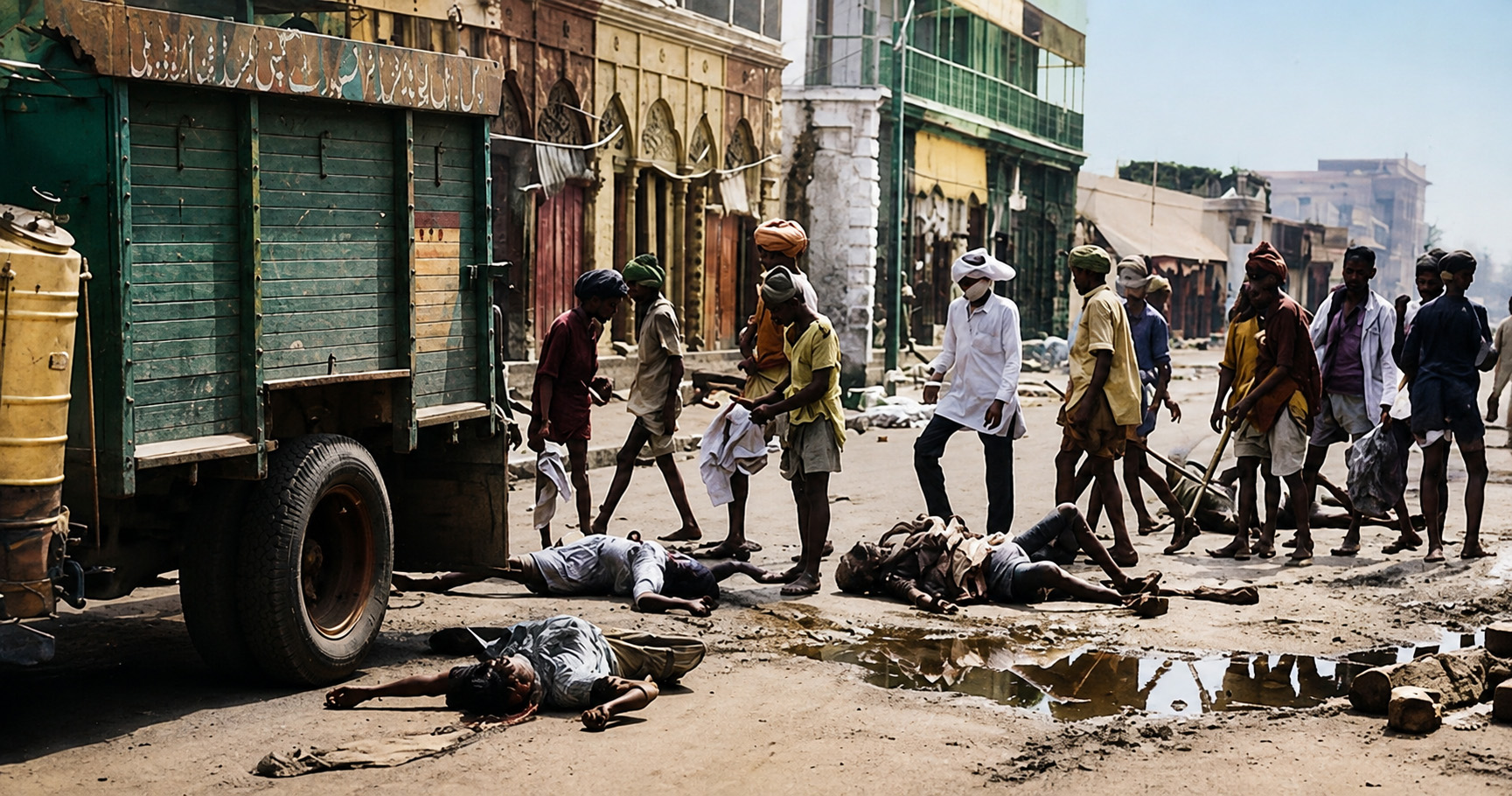
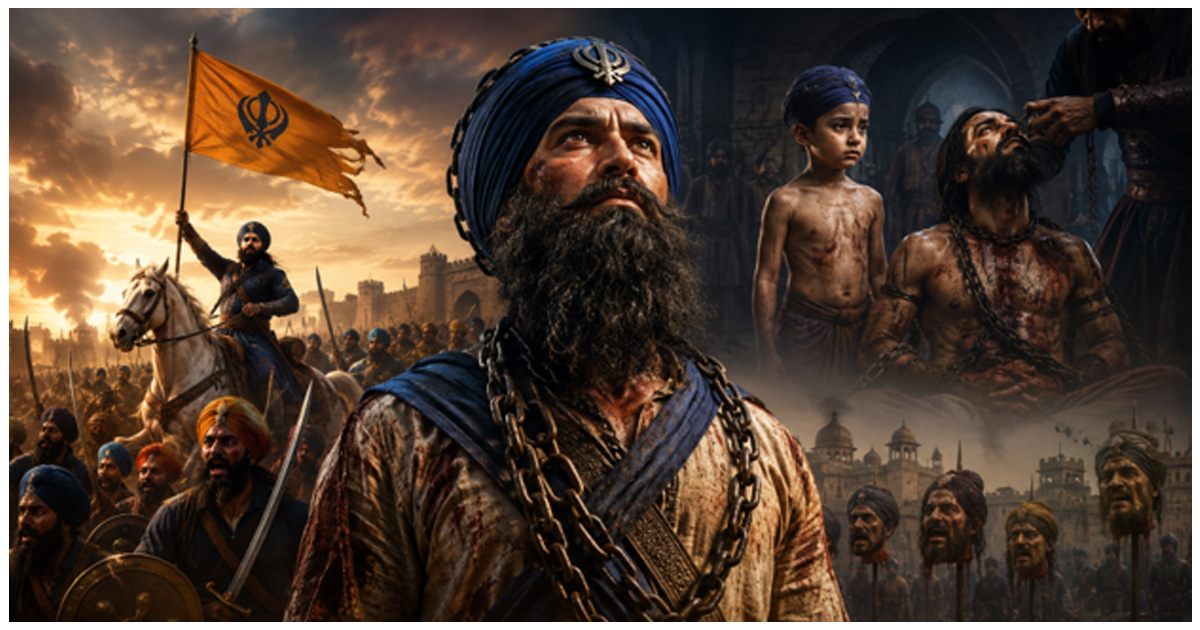
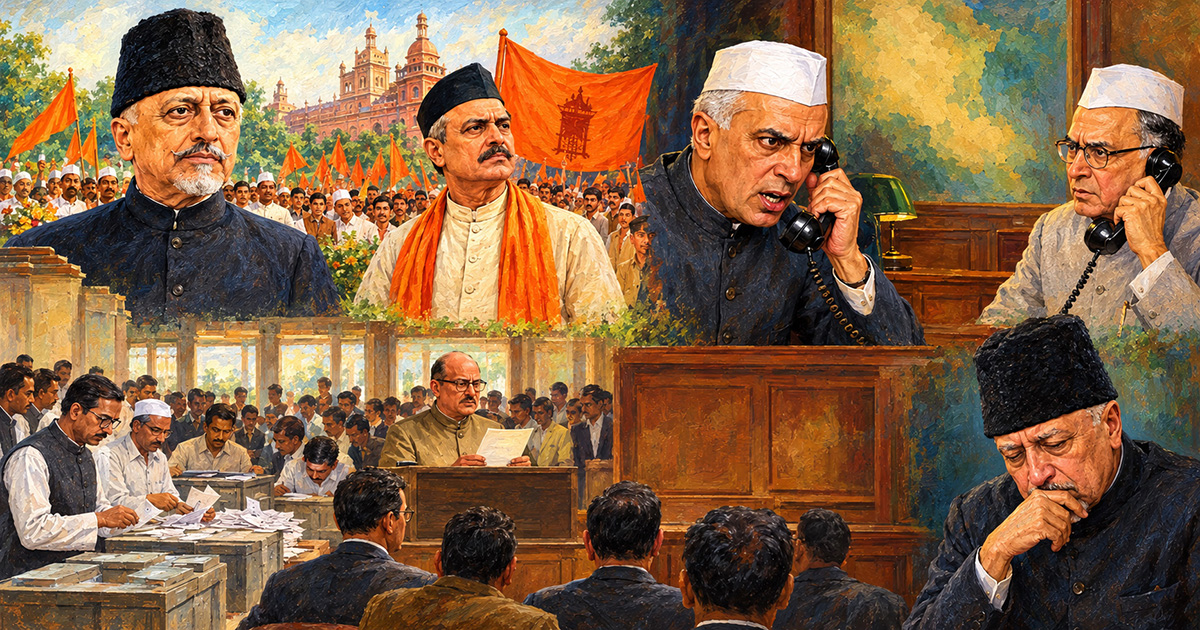
Mirpur massacre of 1947 | Image Source: Op India
After the abrogation of Article 370 on August 5, 2019, Jammu and Kashmir was fully integrated into India’s constitutional framework. However, many struggles were fought throughout history to keep Jammu and Kashmir an integral part of India. One of those struggles was the Mirpur Massacre. It was not merely the story of a city under attack, but a battle to defend one’s homeland and self-respect.
With nearly 80 percent of its population comprising Hindus and Sikhs, Mirpur refused to surrender before Pakistan-backed invaders. Every individual became a soldier, and every home turned into a defensive post. Despite knowing that the enemy was far superior in numbers and weaponry, the people chose resistance over surrender. For this reason, the Mirpur massacre is remembered by many as one of the early struggles associated with Jammu and Kashmir’s integration with India.
On October 26, 1947, Maharaja Hari Singh signed the Instrument of Accession, formally acceding Jammu and Kashmir to India. Angered by this development, Pakistan sent a proposal to the people of Mirpur in early November 1947, asking them to surrender. The message promised special privileges if the city was handed over to the Pakistani Army.
Since nearly 80 percent of the population consisted of Hindus and Sikhs, the residents were unwilling to join Pakistan under any circumstances. They rejected the proposal outright and declared that they would never abandon their land, no matter the cost.
Seeing the determination of the people of Mirpur, Pakistan, became increasingly frustrated. Pakistani forces allegedly devised a plan to capture the city. According to accounts of the period, the Pakistani Army collaborated with Afghan tribal fighters, and an arrangement was reportedly made under which, if Mirpur fell, the land and property would go to Pakistan while captured women would be taken by the tribal fighters.
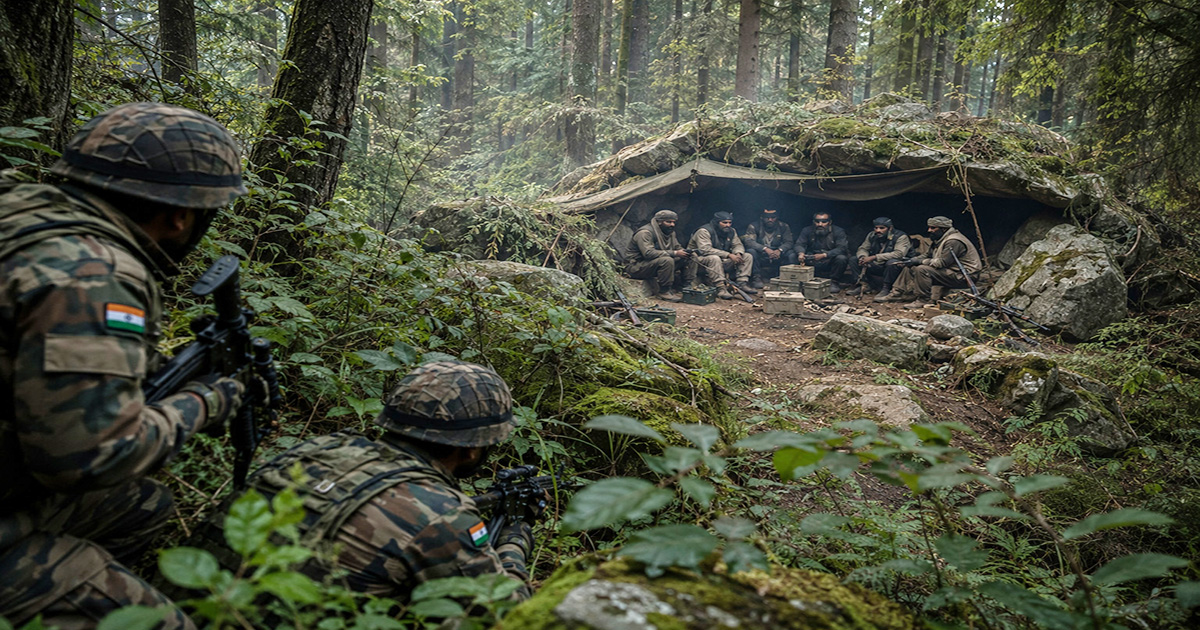
On the midnight of November 24, 1947, Pakistani forces, accompanied by tribal fighters, launched a major assault on Mirpur, supported by heavy shelling. The attackers possessed modern weapons and sufficient ammunition, while those defending Mirpur suffered from severe shortages of resources. Nevertheless, the youth of Mirpur refused to abandon their positions. Alongside the local police, they fought for hours and prevented the attackers from entering the city. Although some raiders managed to breach the defensive lines, local defenders engaged them in close combat and killed several of them.
However, the defenders possessed only limited weapons and ammunition. There was little hope of outside assistance. Communication lines had been disrupted, cutting Mirpur off from the outside world. As a result, no immediate help could arrive from India. Even so, the residents refused to surrender. They knew that if the city fell, the consequences would be catastrophic.
Every citizen of Mirpur now regarded his home as a defensive outpost and himself as a soldier fighting against the invading forces. By 8:30 a.m. on November 25, 1947, however, the situation had become critical. The attackers had surrounded the city from all sides.
Eventually, the invading forces succeeded in entering Mirpur. The streets turned into a battlefield. Amid chaos, gunfire, and fires, ordinary civilians continued resisting until the very end despite the lack of weapons and ammunition. They fought bravely against the Pakistani Army and the tribal fighters. Thousands were killed during the fighting, while the attackers also reportedly suffered significant casualties.
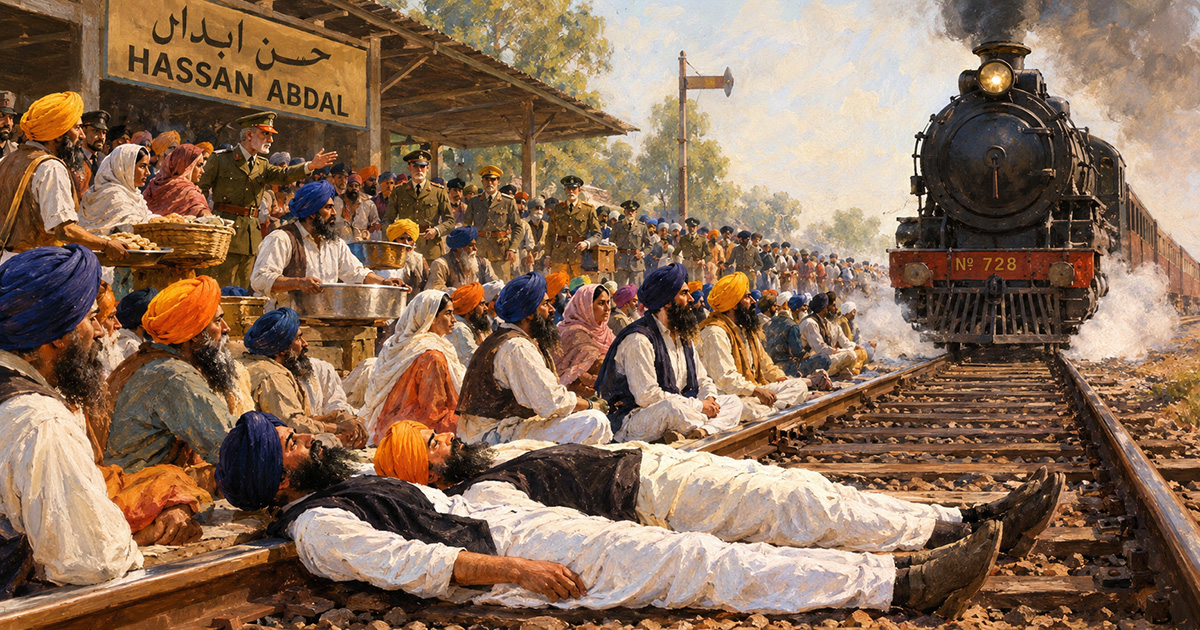
In the end, however, the better-armed forces captured thousands of Hindus and Sikhs at gunpoint. Many prisoners were reportedly taken to locations such as Kas Guma, Alibeg, and Thathal. Accounts describe widespread looting of cash and jewellery from the captives. Men were allegedly lined up after being stripped of their clothes and, following severe mistreatment, many were killed.
According to several accounts, around 20,000 Hindus and Sikhs lost their lives during the massacre. It is also alleged that many Hindu and Sikh women were handed over to tribal fighters following the capture of the city. In defending their homeland, thousands of Hindus and Sikhs sacrificed their lives rather than accept incorporation into Pakistan. The people of Mirpur demonstrated that history is not shaped only by kings and armies, but also by ordinary individuals who display extraordinary courage in extraordinary circumstances.
The citizens of Mirpur had neither a vast army nor modern weaponry, but they possessed an unwavering love for their homeland and a determination to defend it. They proved that the greatest strength of any land lies in its people. Although Mirpur today remains under Pakistani administration, the sacrifices made there in 1947 continue to occupy a significant place in historical memory. The story of Mirpur remains one of courage, resistance, and devotion to one’s homeland during one of the most turbulent chapters of the Partition era.
.jpg)