Facing Thousands of Attackers with Just 150 Soldiers: The First MVC of the Indian Army of Independent India! The Impossible Stand of Dewan Ranjit Rai
On October 26, 1947, Maharaja Hari Singh signed the Instrument of Accession with India, and a decision was immediately taken in Delhi to send troops to Srinagar at first light.

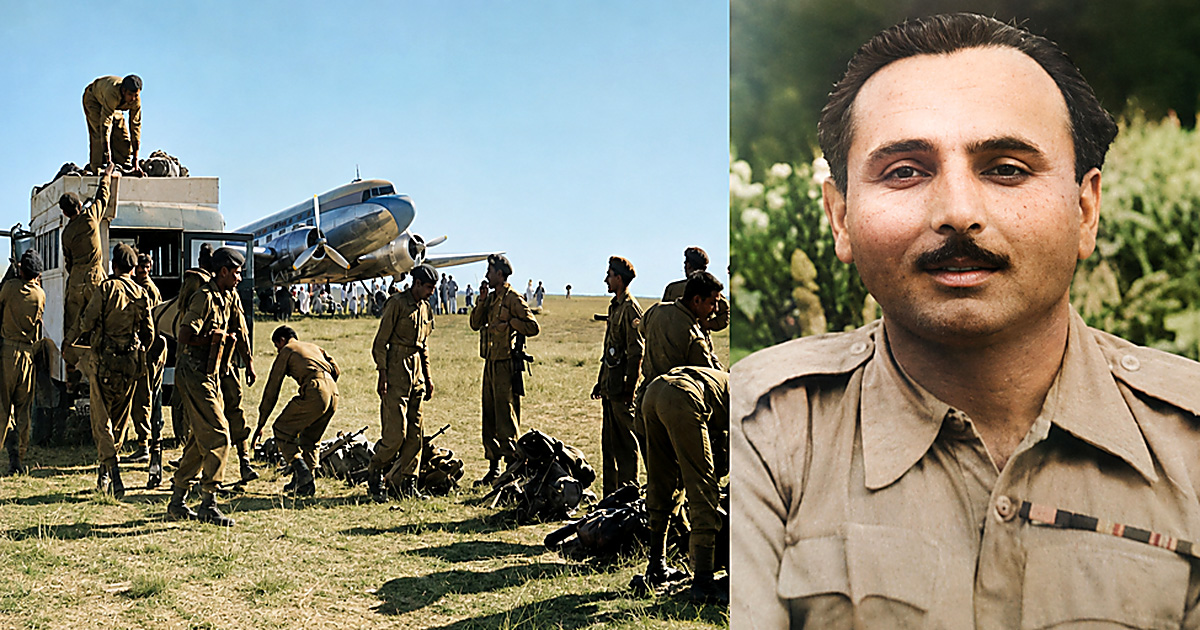
Lieutenant Colonel Dewan Ranjit Rai MVC | Image Source: Honourpoint
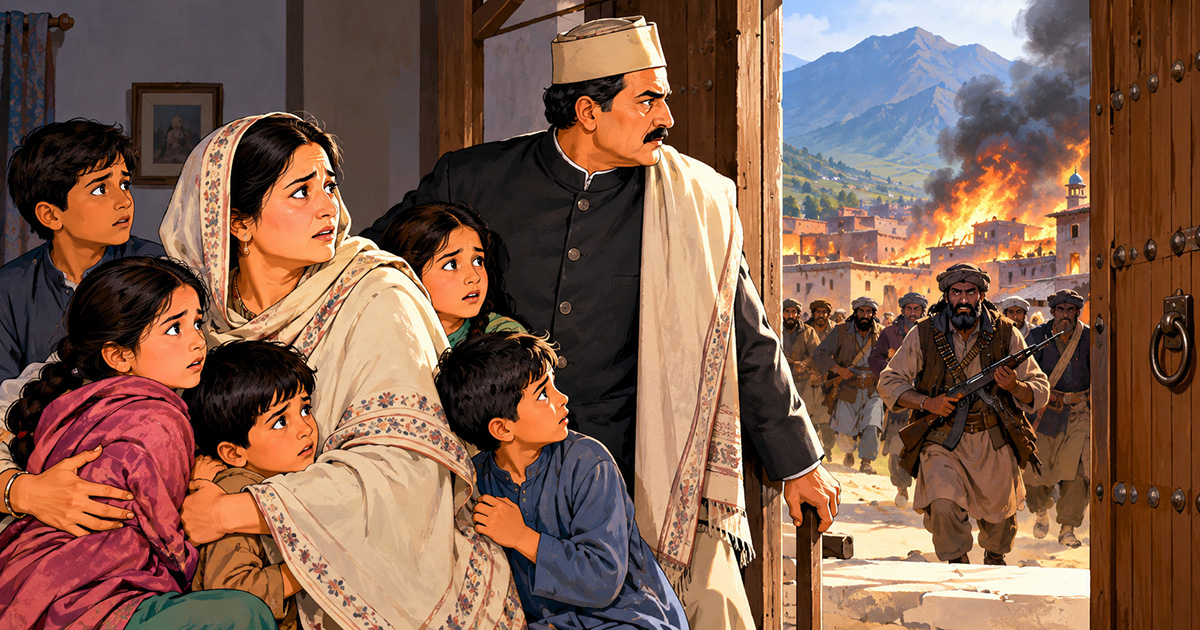
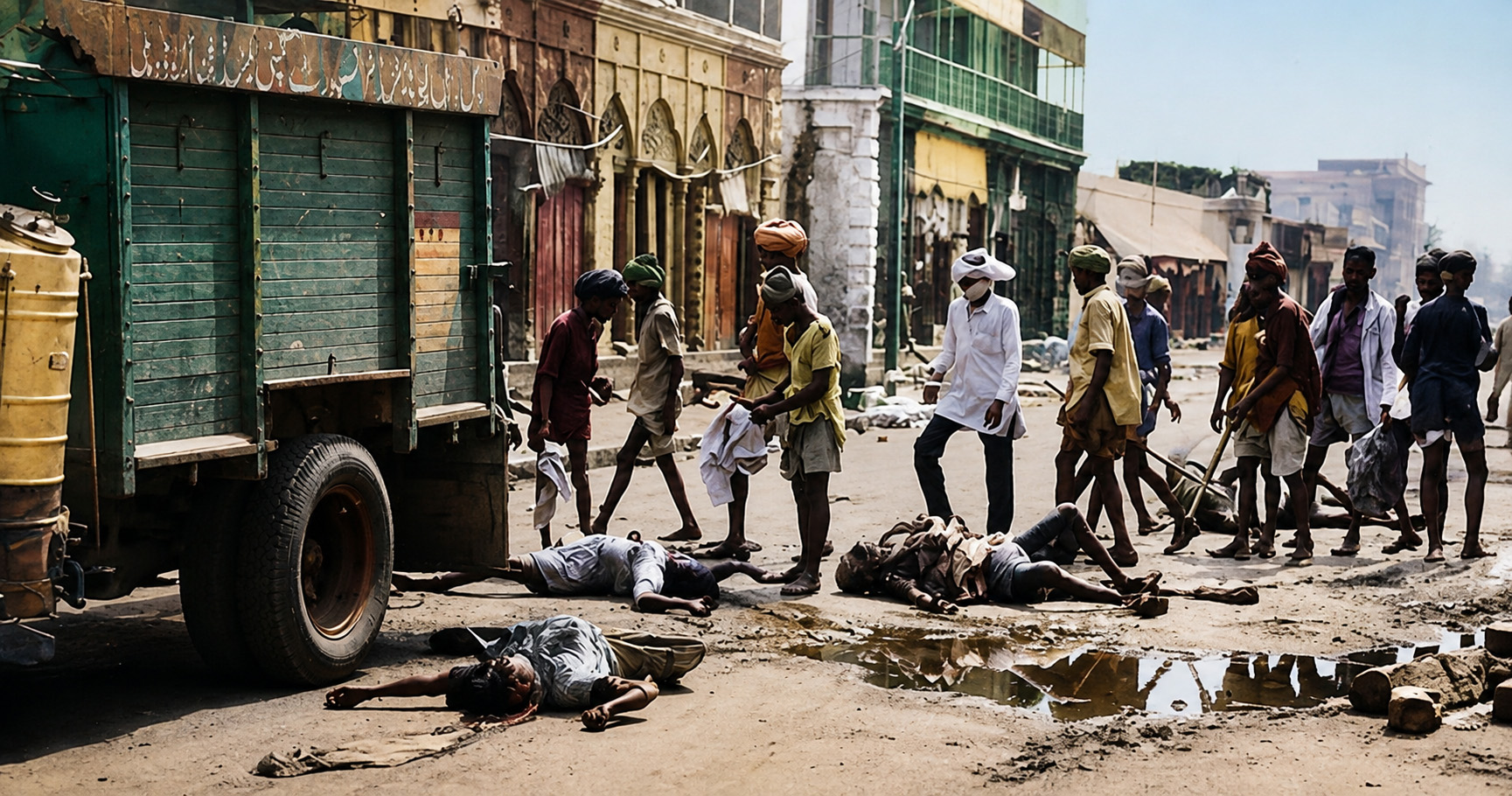
On the night of October 26, 1947, the future of Jammu and Kashmir hung in the balance. Four days earlier, on October 22, Pakistan-backed tribal attackers had launched an attack on Muzaffarabad and Domel. Reports of looting, arson, and killings were continuously coming in from Bhimber, Uri, and Baramulla along the way. Thousands of tribal attackers were now advancing towards Srinagar. If the Srinagar airport fell into their hands, it would have become almost impossible for the Indian Army to reach Kashmir. That same night, Maharaja Hari Singh signed the Instrument of Accession with India, and a decision was immediately taken in Delhi to send troops to Srinagar at first light.
The morning of October 27 was marked by extraordinary activity at Delhi’s Palam Airport. Indian Air Force Dakota aircraft stood ready. The first unit to be sent was 1 Sikh—the first military unit of the Sikh Regiment. Its commanding officer was Lieutenant Colonel Dewan Ranjit Rai. Just a few hours earlier, he had been engaged in arranging assistance for refugees who had arrived in Gurgaon after Partition, but now he faced an entirely different responsibility. At around 5 a.m., he boarded the aircraft with his C and D Companies. At around 8:30 a.m., the first Dakota landed in Srinagar. This was the first major military airlift in the history of independent India, and the first combat unit of the Indian Army had landed on Kashmiri soil.
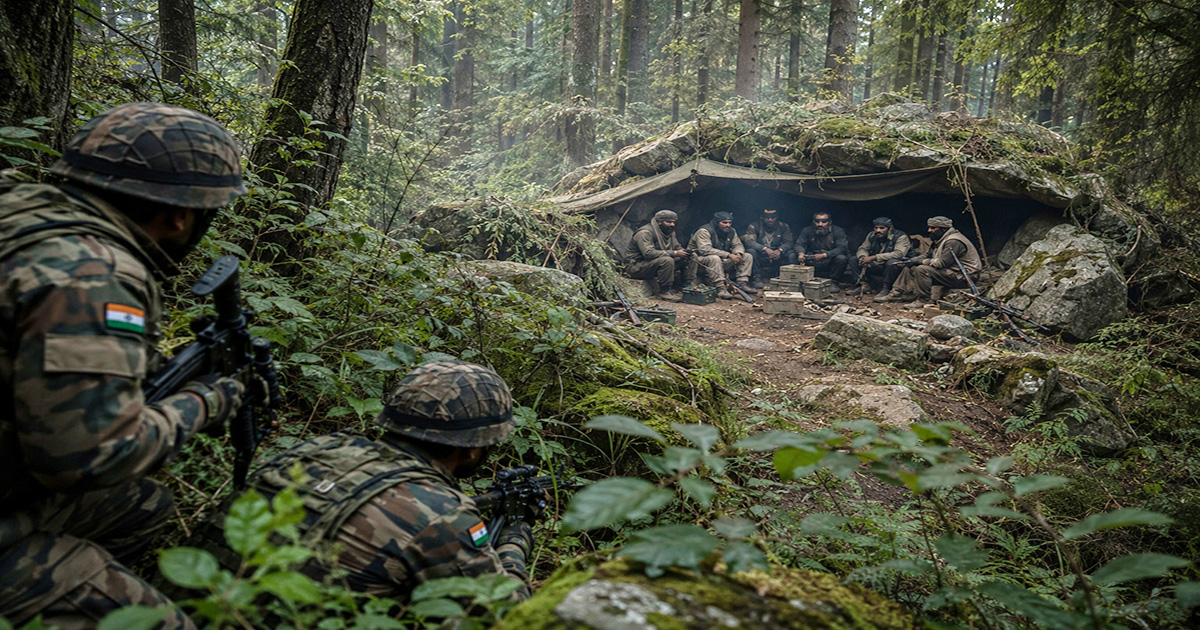
When Ranjit Rai arrived in Srinagar at around 8:30 a.m., he was informed that the Pakistan-backed tribal attackers had reached Baramulla and were rapidly advancing towards Srinagar. The attackers numbered approximately 4,000 to 5,000. On the other hand, the first forward contingent of the Indian Army, Ranjit Rai, initially had only around 150 soldiers available, while the remaining companies of his battalion were yet to arrive in the Valley.
He had two options before him. The first was to establish a defensive perimeter around the airport and wait for the remaining companies to arrive. The second was to advance, make contact with the enemy, and try to slow their advance. He chose the second option. He left a limited number of soldiers to protect the airport and moved towards the Baramulla road with the rest of his contingent. This was an extremely risky decision because he had neither sufficient troops nor complete information about the enemy’s exact position.
He realised that if the enemy was allowed to reach the outskirts of Srinagar without any challenge, the battle would become far more difficult later. He sent C Company, under the leadership of Captain Kamaljit Singh, towards the Baramulla road. In addition, he sent D Company, under Major Harwant Singh, to Srinagar to conduct a flag march through populated areas and restore order and confidence. Colonel Rai himself also decided to advance. He left a limited number of soldiers to protect the airport and moved towards the Baramulla road with the rest of the contingent.
As they advanced towards Baramulla, it soon became clear that the situation was far worse than anticipated. The Pakistan-backed tribal attackers had entered Baramulla. Only around 50 to 55 kilometres remained from there to Srinagar. Now, there was a distance of only around 25 kilometres between the handful of Indian soldiers and the thousands of attackers. Ranjit Rai was waiting for his remaining two companies, but the aircraft carrying the communication equipment was forced to stop en route due to a technical problem. Communications had almost completely broken down.
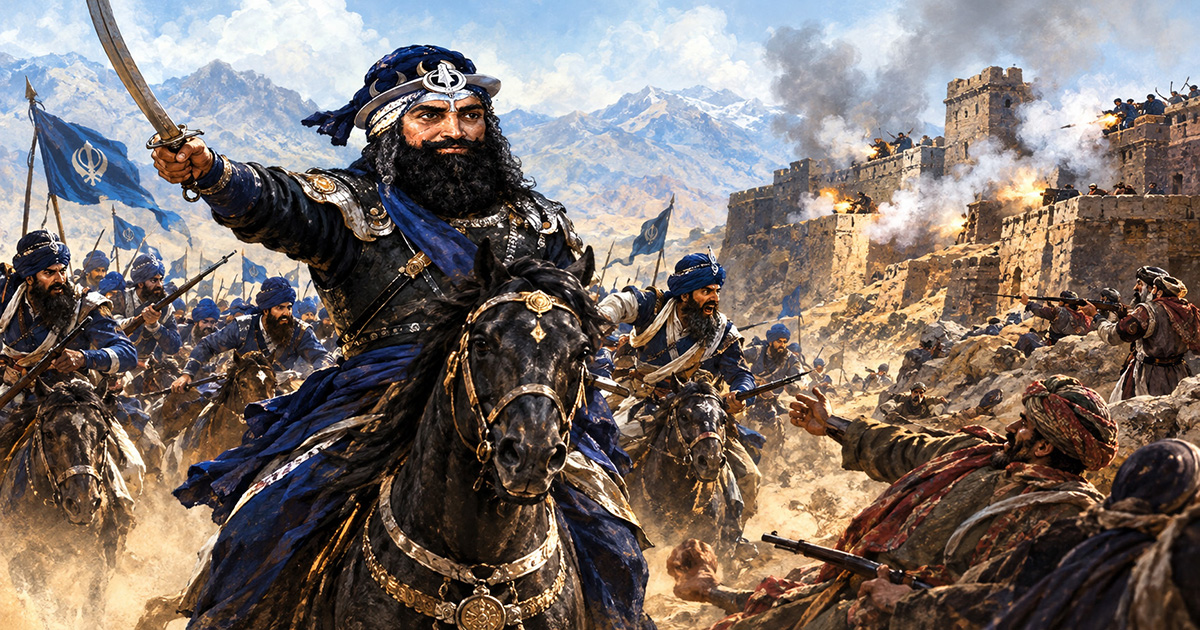
During the night of October 27 and 28, the fighting became even more intense. Around Mile 32 on the Baramulla Road, the Pakistani attackers launched an assault with heavy machine guns and 3-inch mortars. Despite being heavily outnumbered, the soldiers of 1 Sikh (the first military unit of the Sikh Regiment) held their ground. They returned such heavy fire that the attackers believed a much larger Indian force was facing them. Several times, the attackers tried to advance, but each time they encountered resistance. Ranjit Rai continuously moved between the various positions. He was not merely an officer giving orders; he was present with his soldiers on the front line. He knew that every passing hour was buying time for the next Dakota aircraft to land at Srinagar airport. This meant that by morning, the situation had become even more difficult.
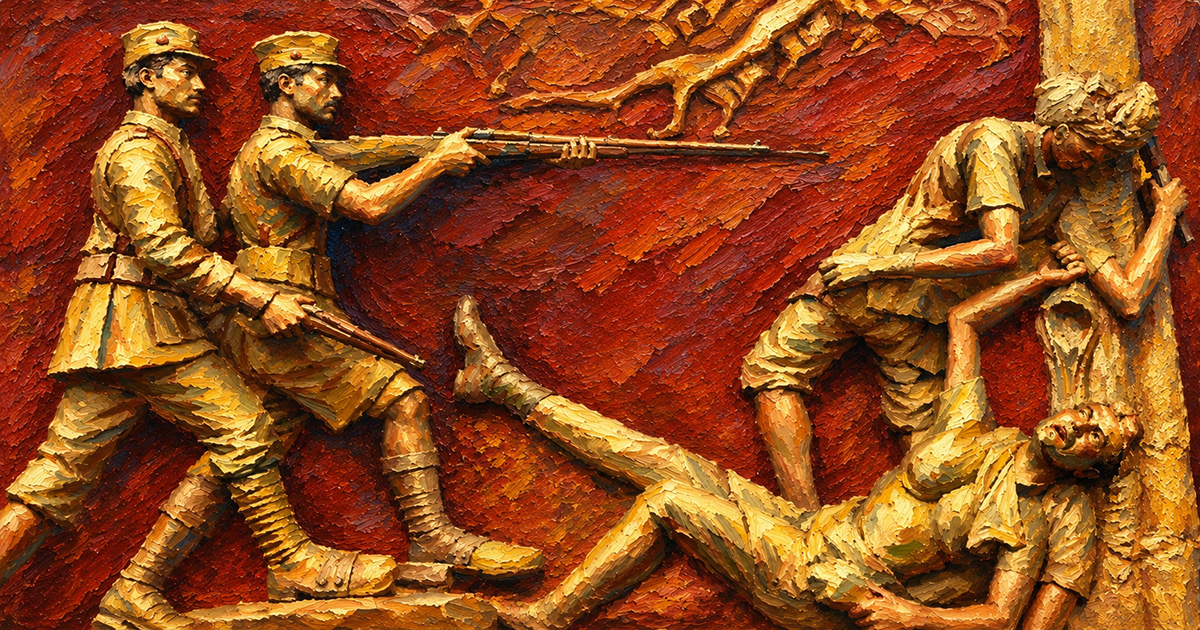
The remaining two companies had still not arrived, and the attackers were attempting to encircle them from another direction. Ranjit Rai decided to withdraw his soldiers in an organised manner so that they would not be completely cut off. But the route of retreat was no longer safe either. Efforts began to evacuate wounded soldiers through fields and unpaved tracks. During this time, enemy fire intensified again. As Ranjit Rai led his soldiers in retreat, he was walking at the very rear so that no wounded soldier would be left behind. Suddenly, a burst of bullets came towards him. An enemy bullet struck him, and he fell on the battlefield. On the first day of independent India’s first war, the commanding officer of 1 Sikh (the first military unit of the Sikh Regiment) had been martyred.
By evening, new Dakota aircraft continued to land at Srinagar airport. The number of Indian soldiers in the Valley continued to increase. Near Baramulla, where Dewan Ranjit Rai had fallen just a few hours earlier, the fighting was still underway. But the situation had now changed. A commanding officer had sacrificed his life, but in doing so, he had bought India the crucial time that prevented Kashmir from slipping away.
Lieutenant Colonel Dewan Ranjit Rai was posthumously awarded the Maha Vir Chakra for his exceptional courage, leadership and supreme sacrifice. He became independent India’s first Maha Vir Chakra recipient. The day of his action, October 27, is observed by the Indian Army as Infantry Day.