The Siege That Broke Raichur: How Krishnadevaraya Wadiyar IV Outsmarted the Ismail Adil Shah’s Forces in 1520?
When Krishnadevaraya arrived before the walls of Raichur in May 1520, he immediately recognized the challenge before him. The fortress was too strong to be taken through a reckless frontal assault.

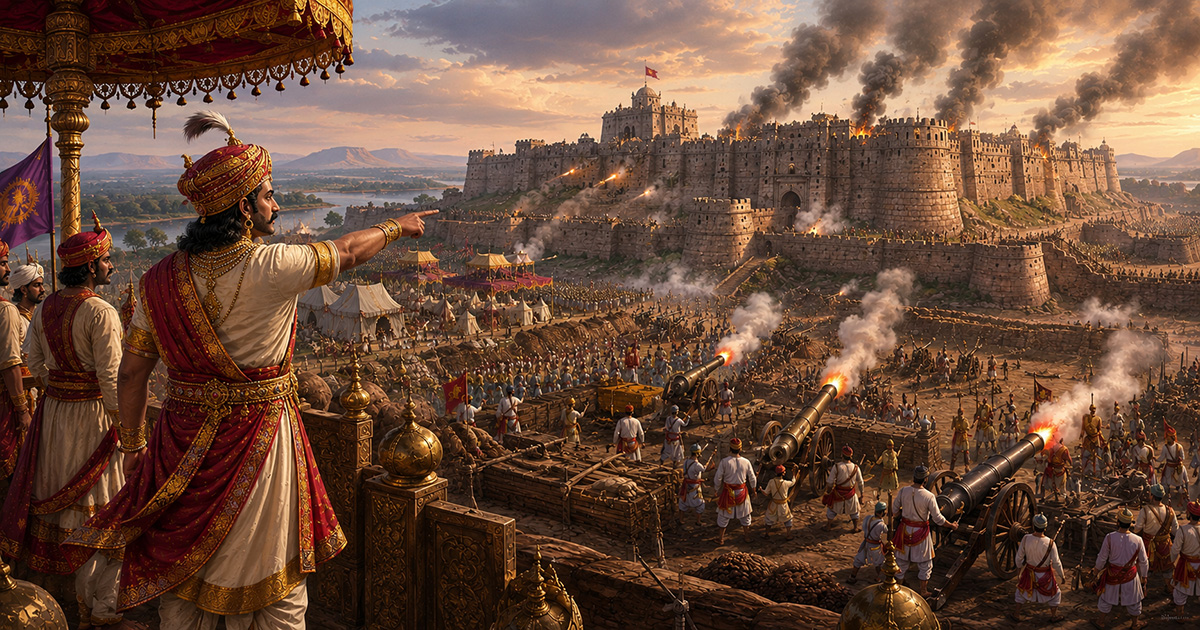
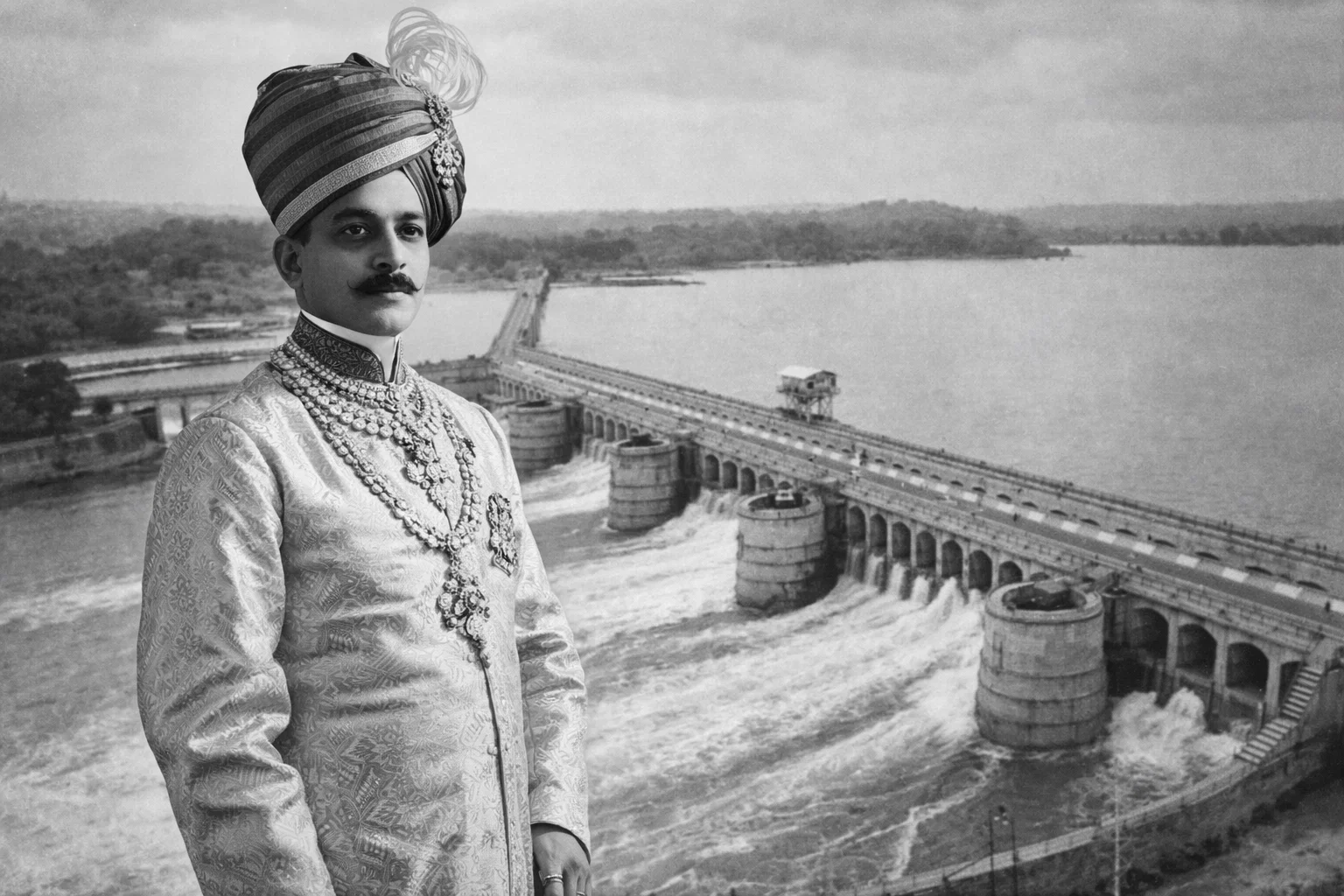
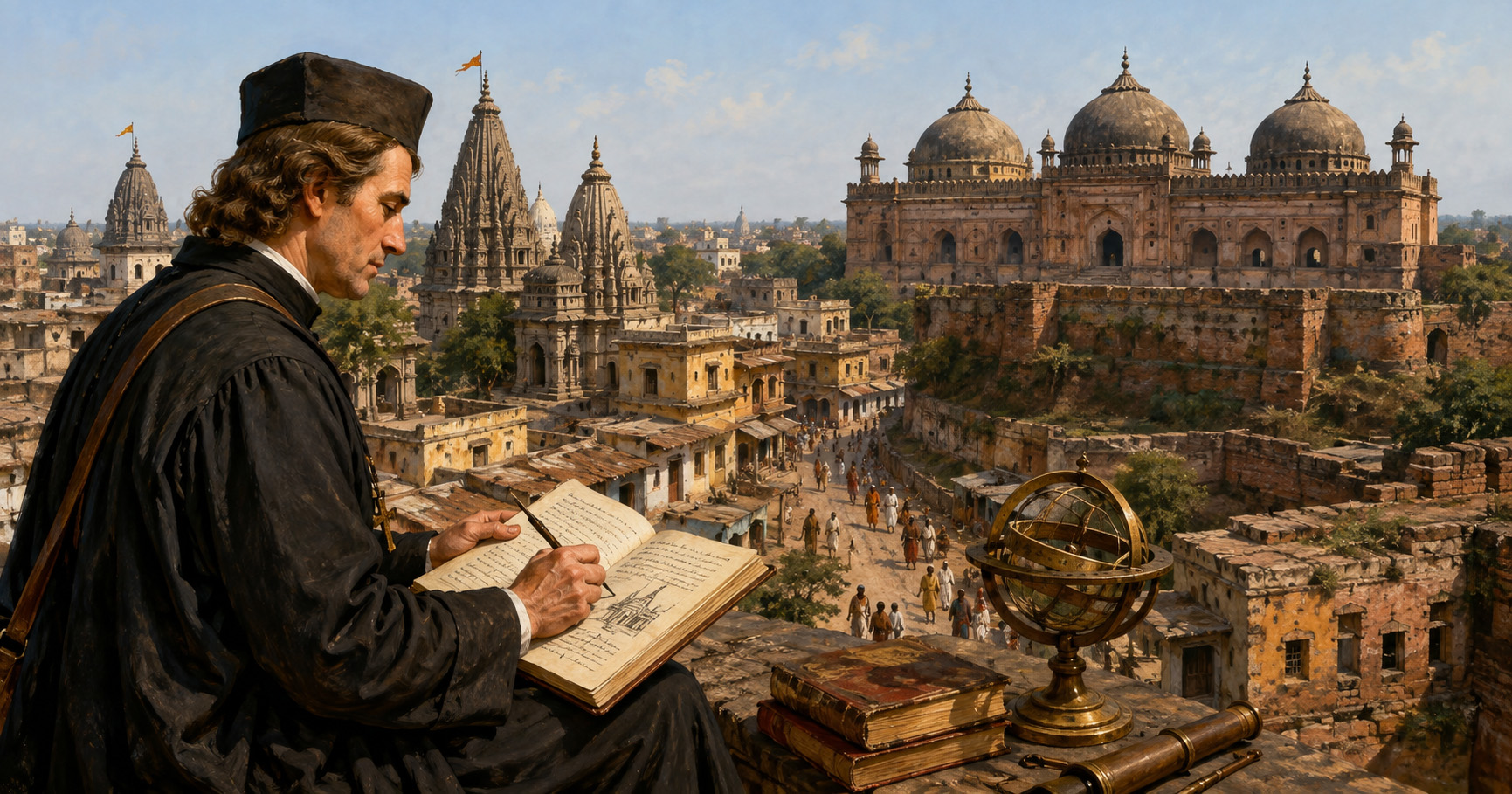
King Krishnadevaraya Wadiyar IV's Raichur campaign | This image is AI-generated
For decades, the fertile Raichur Doab, the stretch of land between the Krishna and Tungabhadra rivers, had been one of the most fiercely contested regions in southern India. Both the Vijayanagara Empire and the Adil Shahis of Bijapur claimed it, and at the heart of that struggle stood the formidable Raichur Fort. Built with massive stone walls and defended by a strong garrison, Raichur was regarded as one of the toughest fortresses in the Deccan. Many rulers desired it, but capturing it was another matter altogether. In 1520, King Krishnadevaraya Wadiyar IV decided that the fort had to fall. What followed was not merely a battle but one of the most impressive siege operations in medieval Indian history.
When Krishnadevaraya arrived before the walls of Raichur in May 1520, he immediately recognized the challenge before him. The fortress was too strong to be taken through a reckless frontal assault. Its defenders were well supplied, its walls were thick, and any direct attack would cost thousands of lives. Hence, rather than relying solely on brute force, the Vijayanagara king adopted a strategy: a carefully planned siege.
The first step of the siege was isolation. Krishnadevaraya's army completely surrounded Raichur, cutting off every major route by which food, weapons, reinforcements, or messages could enter the fort. The King intended to turn the fortress into a prison, and it worked. Day by day, the defenders found themselves increasingly cut off from the outside world. At the same time, Vijayanagara's engineers and laborers began moving steadily closer to the fortifications. Trenches were dug, protective positions were constructed, and siege works advanced toward the walls. Rather than launching one massive attack, the King sought to wear down the defenders through constant pressure.
During the siege, the army also made effective use of artillery. Among his forces were Portuguese gunners and firearms specialists who helped direct cannon fire against strategic sections of the fortifications. While sixteenth-century artillery was rarely capable of instantly destroying massive stone walls, it could damage defensive positions, create breaches, and make life increasingly difficult for the defenders.
As the weeks passed, supplies in Raichur were becoming strained. Outside, the siege lines tightened. Yet Krishnadevaraya knew that another challenge was approaching. The Adil Shahi ruler, Ismail Adil Shah, could not simply watch one of his most important fortresses fall. Sooner or later, he would arrive with an army to break the siege. That moment came sooner than expected.
Determined to save Raichur, Ismail Adil Shah marched toward the fortress with a large force. Many commanders might have lifted the siege to confront the approaching enemy. Krishnadevaraya did not. He continued with the siege while simultaneously preparing to face the relief army. This decision proved crucial. When the two armies met outside the fort, the battle unfolded while the siege was still going on at the fort, and troops maintained a strong formation against the Adil Shah forces, thus favouring Vijayanagara. Krishnadevaraya deployed his troops in depth, preventing Adil Shahi cavalry from breaking through his lines. The King himself moved among his soldiers, encouraging them and directing operations.
Gradually, the balance shifted. The Bijapur army failed to break the Vijayanagara formations. Repeated attacks achieved little, while casualties continued to mount. Eventually, Ismail Adil Shah's forces began to retreat. What had started as an attempt to rescue Raichur failed. The consequences for the fort were immediate. The defenders had been waiting for relief. Once the relief army was defeated, their hopes vanished. The siege that had already stretched their resources now became impossible to withstand. With no prospect of rescue and mounting pressure from the besiegers, Raichur ultimately surrendered.
In the end, Raichur was not won by a single charge or a moment of battlefield heroics, but by a siege so carefully planned and relentlessly executed that it broke both the fort and the army sent to save it.