"Pagri Sambhal Jatta" Movement: When Sardar Ajit Singh Led the Awakening of Punjab's Farmers
Hundreds of peasants would gather to listen to Ajit Singh giving lectures at Lyallpur and other districts. He called upon them to be united, reject the unfair laws, and protest against them.

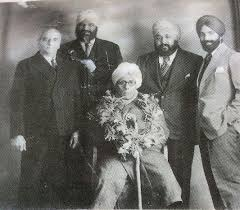
During the year 1907, the fertile lands of Punjab were gripped by anxiety. The British colonial rulers had introduced policies that alarmed the farmers throughout the region. The proposed amendments to the Punjab Colonization Act introduced by the British threatened inheritance rights, increased canal water rates, and enhanced land revenue assessments in many regions. It also allowed the government greater control over canal colony lands and limited traditional inheritance practices. The farmers feared that the generations that gained and earned by hard work could slip from their hands gradually. At this time, Sardar Ajit Singh emerged as the passionate voice of the resistance.
Around January and February 1907, Ajit Singh thoroughly travelled the canal colony districts, specifically Lyallpur (present-day Faisalabad ), meeting the cultivators in the fields, marketplaces, and village gatherings. Speaking in a language that ordinary peasants could easily understand, he explained to the people how these new policies could endanger their ancestral rights and livelihoods. Singh urged them not to perceive themselves as helpless subjects but as the rightful owners of their land and dignity. His speeches changed fear into courage and stimulated thousands of people to realise that unity has the greatest strength.
In the year 1907, Ajit Singh helped to establish the Bharat Mata Society. Through the organisation, pamphlets were distributed, meetings were arranged, and volunteers spread the nationalist ideas throughout Punjab. The society became the nerve center of the agitation, coordinating the efforts of peasants, students, and other freedom activists. Singh used to believe that the disciplined and organized movement would be more difficult for the colonial administration to ignore or suppress.
On March 22nd, 1907, they all gathered for a massive demonstration held in Lyallpur, one of the largest canal colony settlements created by the British. Ajit Singh adopted and popularized the slogan, “Pagri Sambhal Jatta” or “Protect your turban, O peasant.” In Punjab, the turban was the symbol of honor, self-respect, and independence. By invoking this powerful sign, he appealed to the people not merely for the pride and dignity of the cultivators. The farmers who had once faced isolation began to become involved in the movement led by Ajit Singh to defend and voice their own rights collectively.
During the months of March and April 1907, meetings assumed importance in the movement. Hundreds of peasants would gather to listen to Ajit Singh giving lectures at Lyallpur and other districts. He called upon them to be united, reject the unfair laws, and protest against them. The sheer number of such meetings made the British government realize that the farmers' movement went beyond a mere local agrarian conflict and had become a serious political issue.
On June 2, 1907, the colonial government decided to arrest Ajit Singh and exile him from Punjab to Mandalay, Burma (present-day Myanmar). Yet, the movement had already managed to display how great an influence organized peasants could have on the authorities. Under the constant pressure and protest, the British government was forced to change some of its decisions, especially concerning the Colonization Bill. Thus, the agitation demonstrated the possibility of applying organized force against colonialism with the help of peasants' unity.