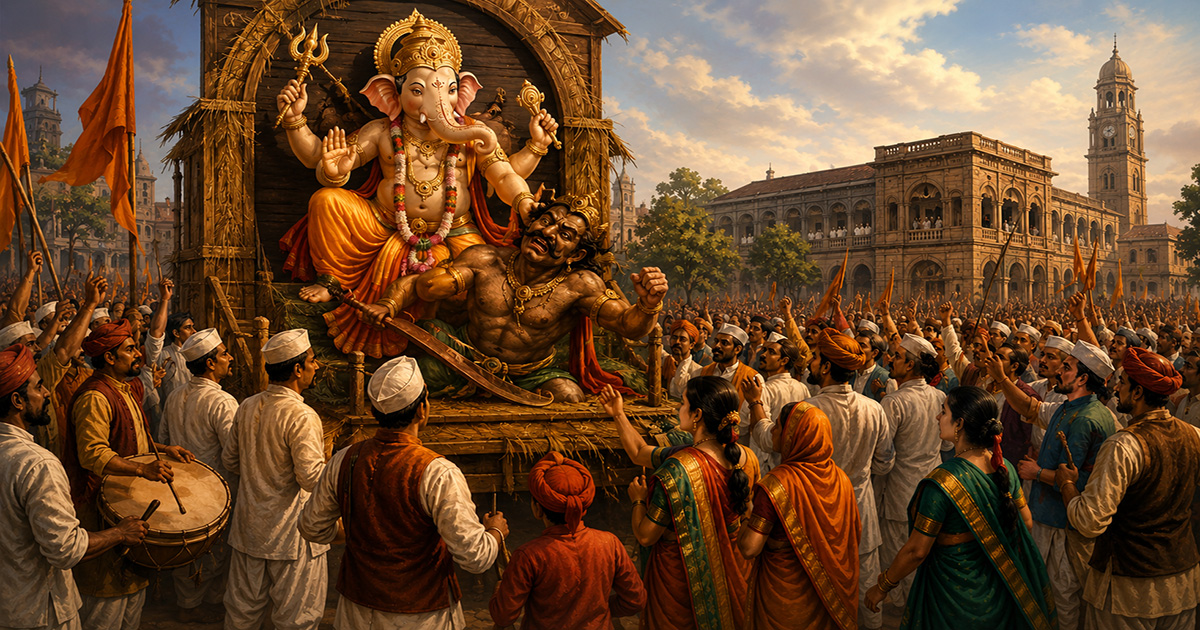
Goa Satyagraha of 1955: How Sahodra Devi Rai and Karnail Singh Benipal Became Symbols of Goa’s Freedom Struggle
Eight years after India's independence, Goa still remained under Portuguese rule. Hence, on 15 August 1955, over 20,000 satyagrahis decided to gather at Goa's borders.

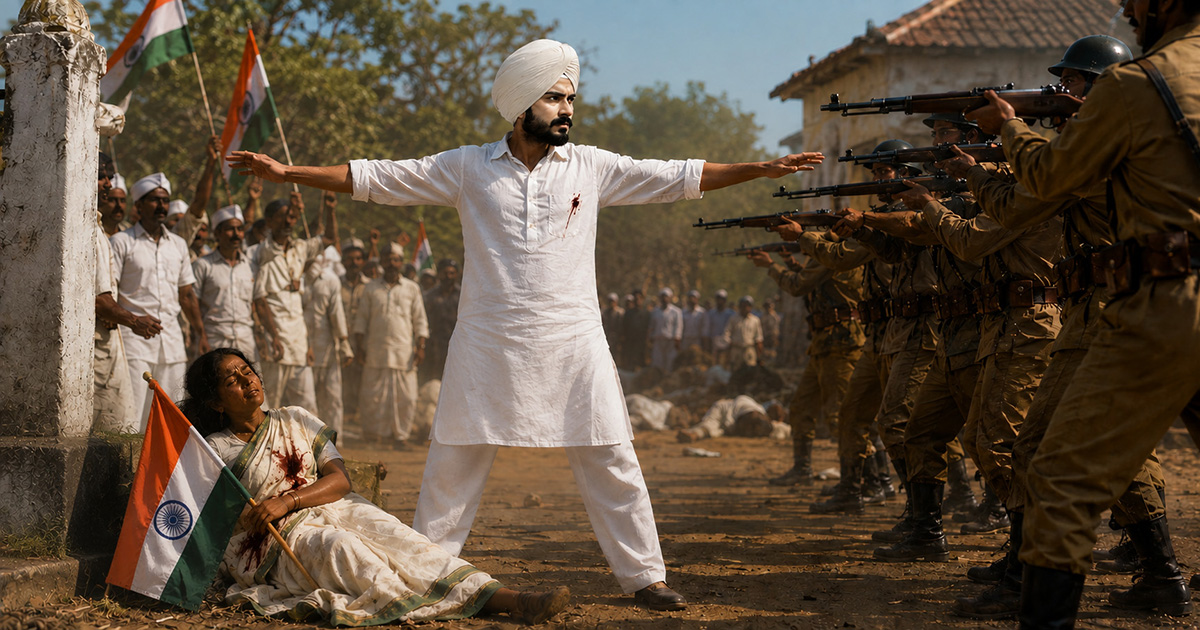
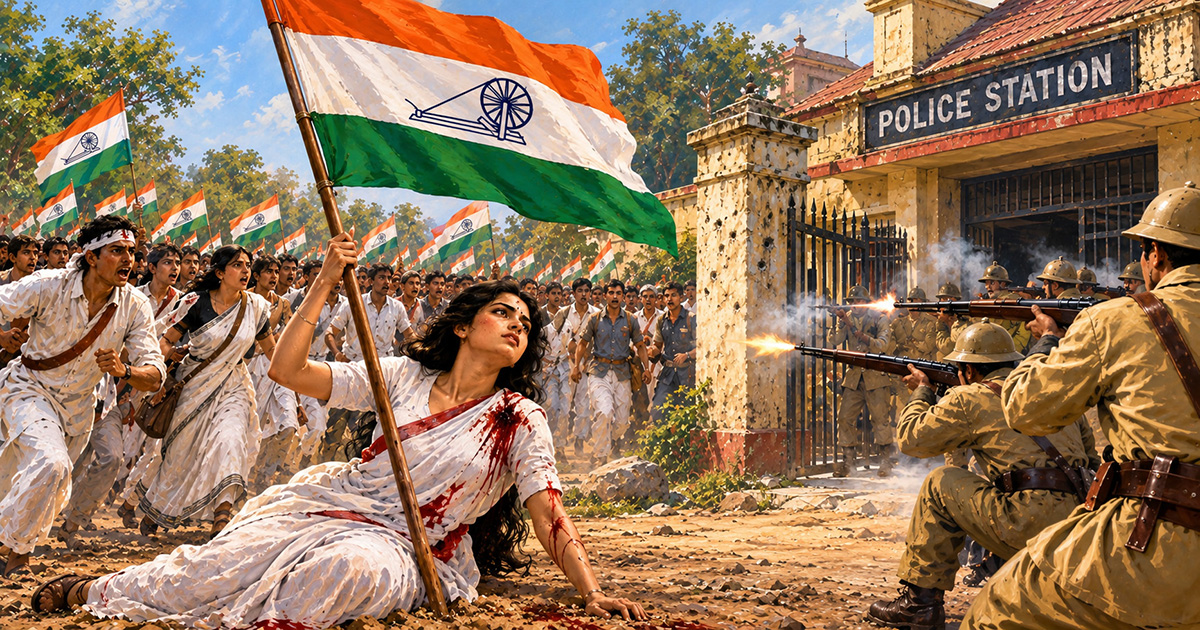
Goa Satyagraha of 1955 | This image is AI-generated
Eight years after India's independence, Goa still remained under Portuguese rule. Hence, on 15 August 1955, over 20,000 satyagrahis decided to gather at Goa's borders, carrying the Tricolour and demanding its integration with India through a massive non-violent movement. Among these participants of this movement were two important figures: Sahodra Devi Rai, who marched carrying the tricolour, and Karnail Singh Benipal, a young teacher from Punjab who had travelled to participate in the satyagraha movement stimulated by national unity.
The satyagrahis marched peacefully through several locations into Goa. One of the significant sites was Patradevi, where Portuguese soldiers and police stood heavily armed under strict restrictions to prevent any entry into its territory. Despite any visible tension and the presence of rifles and machine guns, the protestors moved forward unarmed. Sahodra Devi Rai walked forward with the tricolour fluttering above the crowd. It served as a powerful symbol of hope and determination.
However, suddenly, the peaceful protest turned violent. The Portuguese colonial troops opened fire on the non-combatant civilians. Panic emerged, and Sahodra Devi was shot. She collapsed while still holding the national flag.
At this critical moment, Karnial Singh Benipal displayed remarkable courage. Instead of protecting himself, Benipal rushed forward to shield the injured flag carrier, Sahodra Devi Rai. He blocked their path using his body as cover. Standing firm, arms open, he showed no fear even as weapons pointed at him. As per the eyewitnesses, he exposed his chest, making clear he would not back down. The lone man, hands empty of weapons, faced rows of guns without stepping back. Not once did fear for himself cross Benipal’s mind. Protecting another protester mattered most - so did keeping the flag upright, never letting it touch ground like defeat. Bullets flew, yet he held position, standing firm till one hit his chest. Down he fell, life bleeding out. Because he stayed, others moved past him fast, reaching Sahodra Devi Rai in time. She lived, carried away from smoke and noise. His broken body opened space for rescue.
That day, gunfire broke out at multiple spots along the Goa frontier, not just in Patradevi. Shots fired by Portuguese troops left behind reports of 22 dead, over 225 injured. Yet, certain scholars believe real numbers climbed far beyond. While chaos unfolded, police rounded up hundreds caught demonstrating. Suppression became the order, carried through arrests meant to crush momentum.
That day in August 1955 did not quell demands for freedom in Goa. Instead, bloodshed stirred anger across India. Public fury grew stronger, pushing leaders to act.