Did the RSS Support the Emergency? What Balasaheb Deoras’ Letters Actually Say, A Fact-Check
During the Emergency, about 1,10,000 people were arrested across the country, of which more than 80,000 were RSS swayamsevaks.

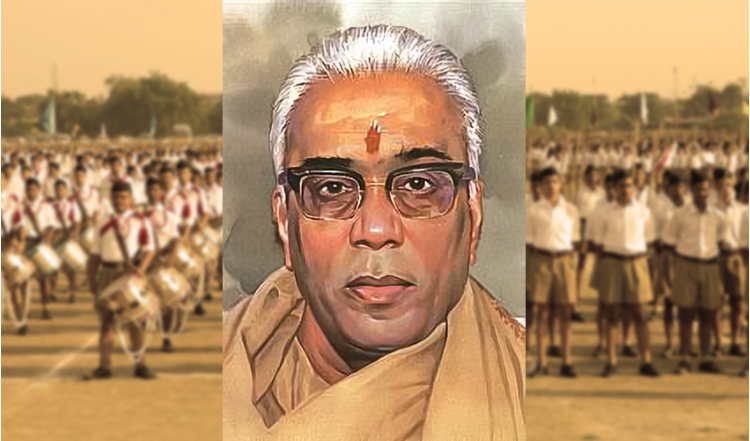
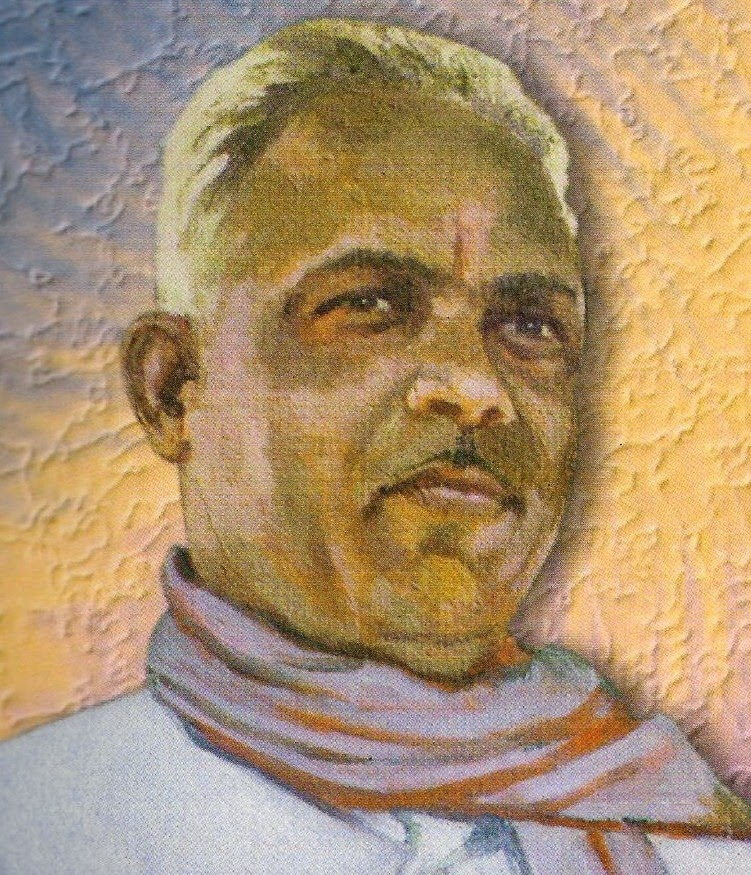
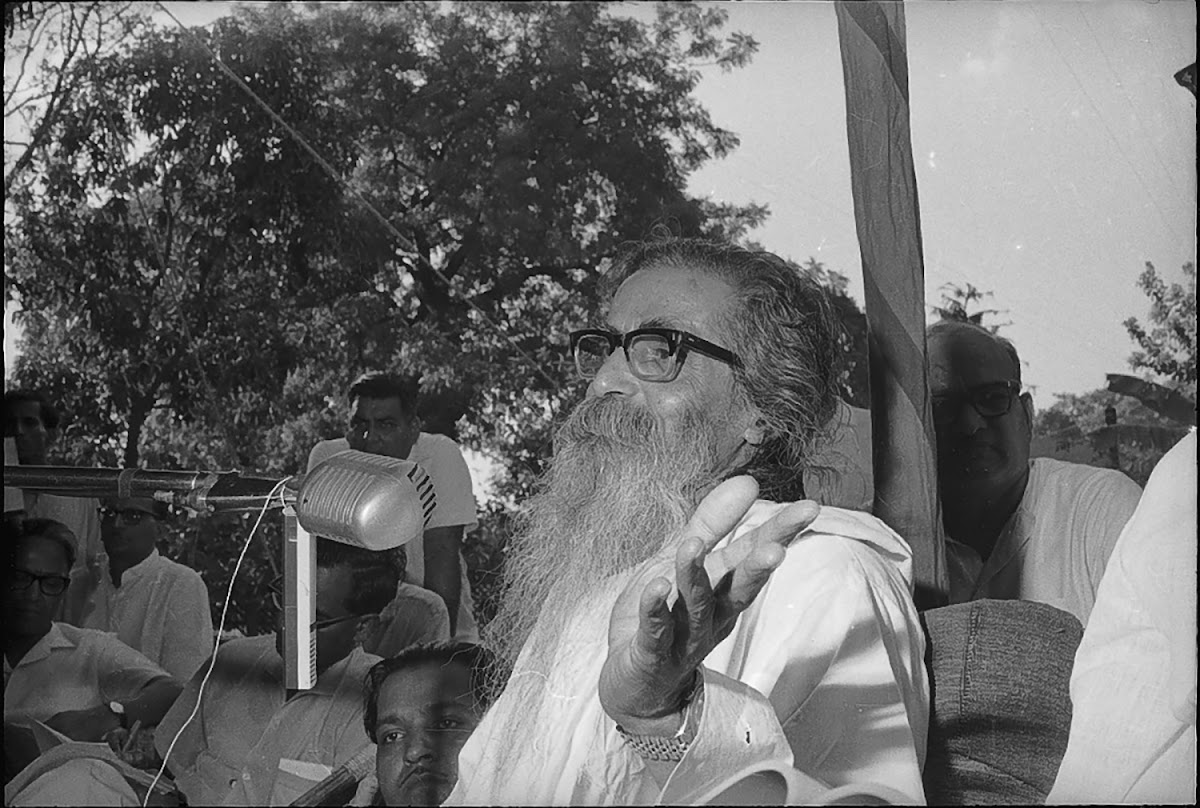
Balasaheb Deoras Ji | Image Source: Indian History Collective
When a state of emergency is imposed in a country, it is a dark day for democracy. But, portraying the letters written by an organization's leader from prison to save the lives and future of lakhs of workers during that crisis as 'surrender' is an even bigger moral crime. If you would come to realize the 'full truth' against the 'half truth' that the opposition has been spreading for decades, you will be surprised.
Immediately after the declaration of Emergency on the midnight of June 25, 1975, the Indira Gandhi government first arrested the then RSS Sarsanghchalak Balasaheb Deoras at the Delhi Railway Station on June 30, 1975, and four days later, officially banned the Rashtriya Swayamsevak Sangh on July 4, 1975. Babasaheb Deoras was transferred to Yerwada Jail in Pune, where he had been languishing for almost 19 months (until January 1977). It is noteworthy that during that time, he was treated harshly and was not even released on parole.
During the Emergency, about 1,10,000 people were arrested across the country, of which more than 80,000 were swayamsevaks. This means that about 70 to 80 percent of those arrested were from a single organization. Out of these, 23,015 people were imprisoned under the strictest conditions under the MISA (Maintenance of Internal Security Act). Hence, as the sarsanghchalak of RSS, he was pained to see most of the swayamsevaks being held behind bars and took on the responsibility to protect them. Hence, while being imprisoned, Balasaheb Deoras wrote letters to the then Prime Minister Indira Gandhi.
The Propaganda Behind the Letters & The Facts
Shri Balasaheb Deoras's letters to Indira Gandhi | Image Source: Organiser
Deoras wrote two important letters to Indira Gandhi: The first in August 1975, the second in November 1975. However, showing just half of the letters, Congress and Communist leaders used them to spread propaganda and falsely allege that the RSS had “supported” the Emergency.
The propaganda behind those criticisms is that Balasaheb Deoras's letters to Indira Gandhi say that the '5-point program' introduced by Sanjay Gandhi “is in line with the interests of the country”. They criticize that the RSS “compromised with the authoritarian rule of Indira Gandhi and Sanjay Gandhi to save its existence”.
However, the fact remains that the literacy, environmental protection, and caste eradication in those schemes are social works that the RSS has been doing since the beginning. Supporting the works of a government that are in the right direction does not mean surrendering to the government. Moreover, it is pertinent that we mention here that in the same letter, he argued very strongly that "banning the Sangh is unjust".
Another allegation often leveled is that Deoras ji wrote a letter to Acharya Vinoba Bhave, a staunch Gandhian and a distinguished freedom fighter. Critics question why Deoras ji approached Vinoba Bhave—who had described the Emergency as 'Anushasan Parv' (The Chapter of Discipline)—to mediate with Indira Gandhi for lifting the ban on the RSS. They argue that a leader expected to fight for democracy was instead engaging in diplomacy through government sympathizers. However, a closer look at the facts reveals the profound foresight behind Deoras ji’s decision. Although Vinoba Bhave had no direct affiliation with the RSS, he was a man with a deep-rooted love for Hindu spirituality and Indian culture. It was out of this mutual respect that Deoras ji sought to garner his support. During the Emergency, Indira Gandhi primarily valued the counsel of only two individuals: Sanjay Gandhi and Vinoba Bhave. Only Vinoba Bhave possessed the moral authority and direct access required to influence her.
In reality, the RSS has always believed in 'Samvad' (Dialogue). To resolve the instability gripping the nation and to safeguard the future of millions of swayamsevaks, seeking the mediation of a towering personality like Vinoba Bhave is an act of 'Statecraft' (Rajneeti), not an act of cowardice. Furthermore, Deoras ji’s strategy can be viewed as an attempt to morally isolate Indira Gandhi by winning over a respected Gandhian like Vinoba Bhave, thereby mounting ethical pressure against her undemocratic decisions. This was, in essence, a diplomatic victory of Dharma over oppression.
Also, in the letters, Deoras ji wrote to Indira Gandhi that if the government lifts the ban on RSS and releases the jailed activists, they will stop their agitations against the government. However, Congress portrayed this incorrectly, as well, saying this is not a struggle, but a bargaining to avoid punishment. Nonetheless, the truth is that he wrote the letters in December 1975 when the satyagraha was at its peak, and more than 80,000 swayamsevaks went to jail—then what is wrong in opening a dialogue, considering the fact that it his responsibility to look after the swayamsevaks.
Finally, people often compare Deoras ji’s letters with Vinayak Damodar Savarkar's mercy petitions from jail and try to give the impression that the entire history of RSS is about surrendering to governments as soon as they go to jail. This is where the communists' double standard comes out. The CPI (Communist Party), which supported the Emergency, praised Indira Gandhi as a 'messiah' (savior). Such party leaders have no moral right to criticize others. There is no word 'apology' anywhere in the letters written by Deoras ji, only 'protest' and 'proposal for talk'.
Double Edge Strategy: Underground Movement
Deoras ji's strategy was very clear. While he conducted diplomacy from inside the prison, young campaigners like Narendra Modi ran the underground network outside. It was on Deoras' orders that thousands of volunteers participated in the satyagrahas organized in December 1975 and were arrested. If he wanted to surrender, such large-scale satyagrahas would not have taken place. This was a 'two-fronted' strategy he followed to increase pressure on the government.
Conclusion: The Verdict of History
Finally, after the Emergency was lifted in March 1977, the RSS emerged victorious. Deoras ji's letters were not a sign of weakness, but the highest diplomacy pursued by a leader for his followers. Compromise is one thing, but saving is another. Balasaheb Deoras not only saved the organization with his diplomacy but also played a key role in the restoration of democracy. If you look at history through communist lenses, it looks like surrender, but if you turn the pages of history, it is revealed to be a 'strategic victory'.
.jpg)