The Death During the Emergency That History Tried to Bury: What Really Happened to RSS Pracharak Pandurang Pant Inside Thane Jail?
On June 25, 1975, the day when the Emergency was imposed upon India, the Congress government began crushing every voice of dissent.

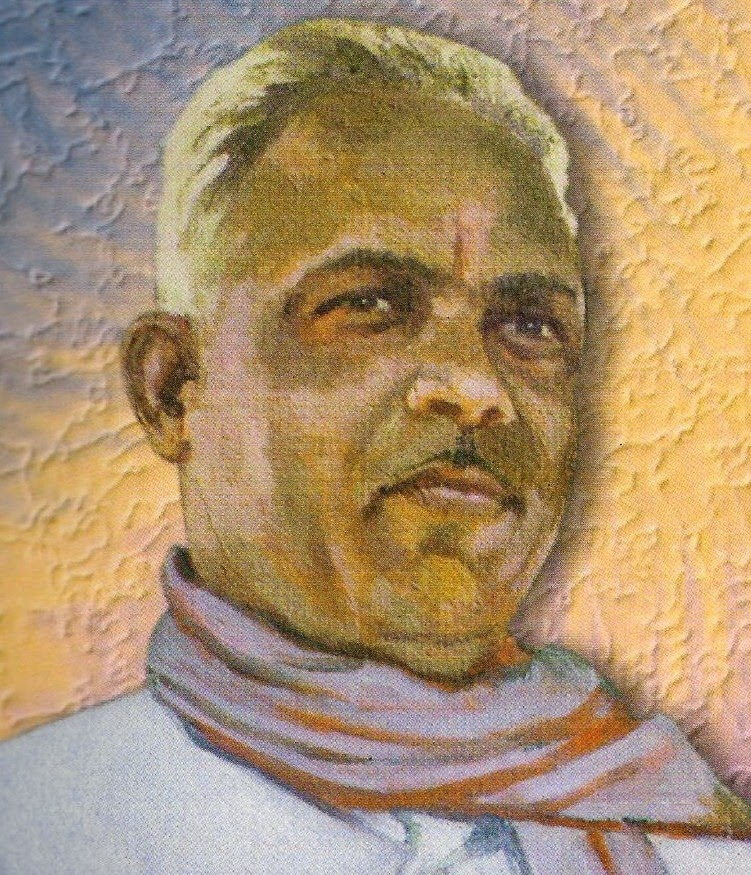
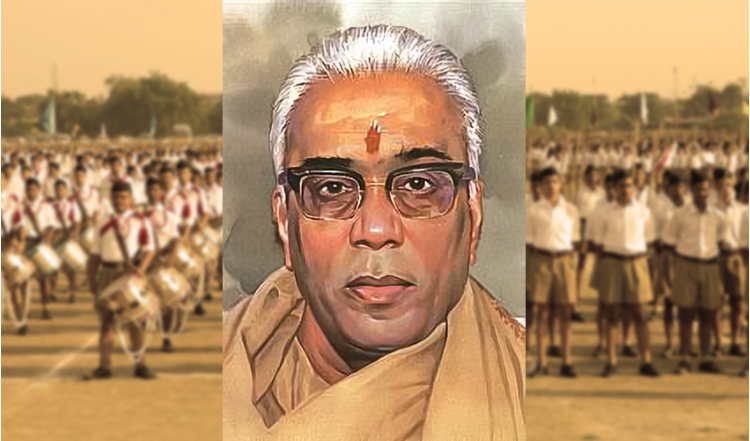
Pandurang Pant Kshirsagar | Image Source: VSK Bharat
During the dark years of the Emergency, the nation was not merely struggling under political repression. The suffering of thousands was locked behind prison walls — people who refused to bow before the arrogance of the Congress regime. Around 1.3 lakh people were arrested during the Emergency, and nearly 80 percent of them, close to one lakh, were RSS swayamsevaks. Among them was Pandurang Pant Kshirsagar.
A calm, disciplined, and deeply committed man, Pandurang Pant served as the All India Arrangement Head of the Rashtriya Swayamsevak Sangh. Dedicated selflessly to the service of the nation, he could never have imagined that the very government of the country he devoted his life to would push him toward death inside a dark prison cell.
On June 25, 1975, the day when the Emergency was imposed upon India, the Congress government began crushing every voice of dissent. On June 30, 1975, RSS Sarsanghchalak Balasaheb Deoras was arrested at Nagpur Railway Station. Soon afterward, on July 4, 1975, the RSS was officially banned. What followed was a relentless campaign of repression unleashed by the government of Indira Gandhi.
During the Emergency, Pandurang Pant Kshirsagar was staying at the RSS headquarters in Nagpur, carrying out his responsibilities as the organization’s national arrangement chief. After the ban on the RSS, police forces began hunting down swayamsevaks as though they were hardened criminals.
Soon, a large police force arrived at the RSS office in Nagpur. But anticipating the crackdown and determined to protect the democratic resistance movement, the organization had already prepared a plan. Before the police reached the premises, many workers had gone underground. However, as the All India Arrangement Head, Pandurang Pant bore responsibility for the office itself. He could not abandon it. The police arrested him along with his associate Krishna Rao Moharil and sealed the RSS office.
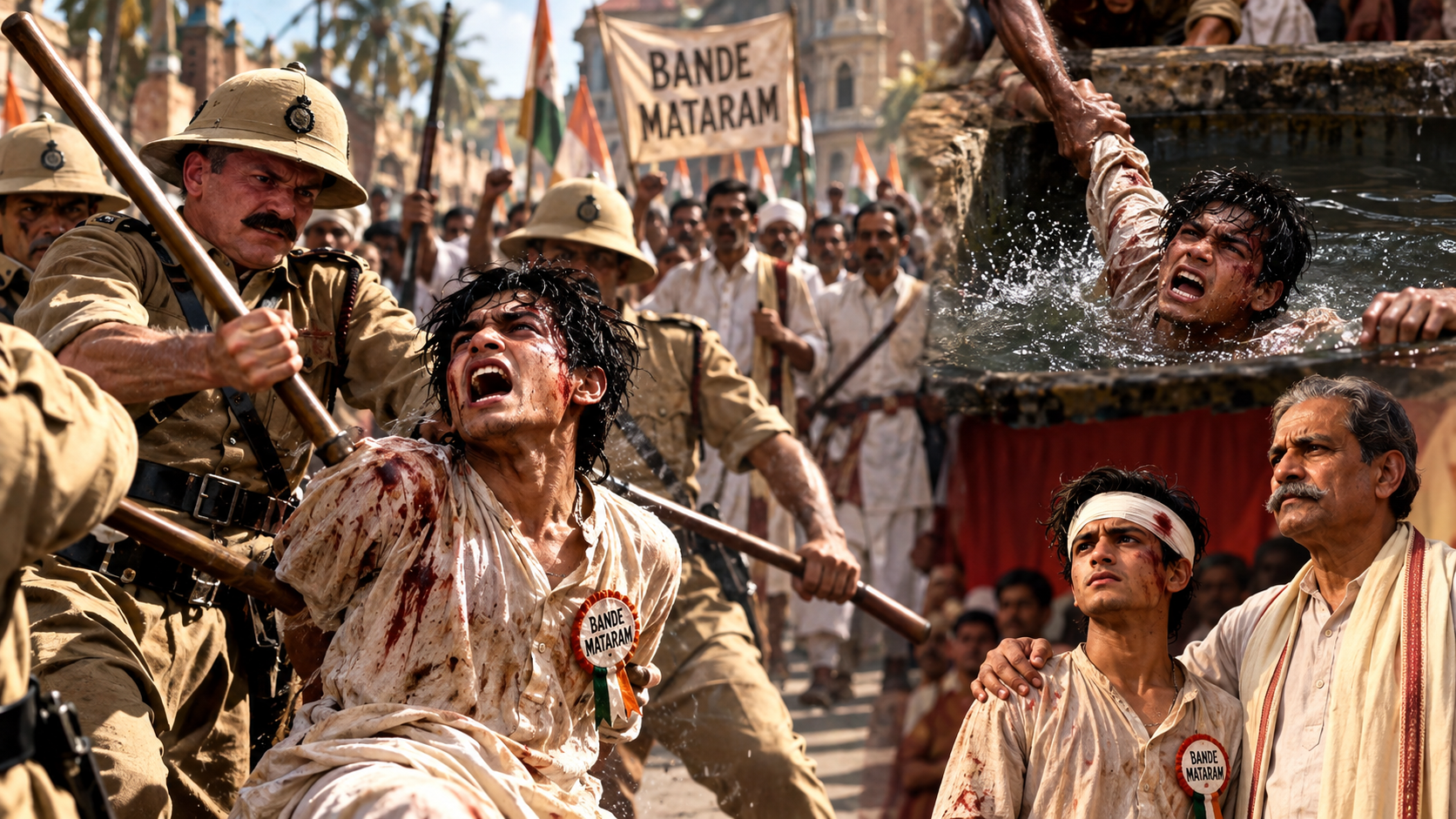
Later, Pandurang Pant was imprisoned in a dark cell inside Thane Central Jail. There, he was not merely imprisoned — he was subjected to continuous mental and physical torture. This harassment went on for a long time.
Even before his imprisonment, the RSS had helped establish an organization called the Lok Sangharsh Samiti to coordinate resistance against the Emergency. Through this organization, Pandurang Pant continued contributing to the anti-Emergency movement even from inside prison.
At that time, several socialist leaders were also jailed alongside RSS swayamsevaks. Many socialists carried deep ideological hostility toward the RSS, which often created tension between the two groups inside prison.
RSS swayamsevaks would sing patriotic songs and recite prayers before meals, practices that some socialist inmates opposed. In these difficult circumstances, Pandurang Pant often acted as a bridge between both sides, encouraging dialogue, harmony, and mutual understanding. He firmly believed that organizational unity among all those opposing the Emergency was essential for the larger struggle to protect democracy.
But the conditions of Thane Jail were devastating for his health. Pandurang Pant was already suffering from a serious illness known as pleurisy. Daily physical and mental torture, combined with poor prison conditions, unhealthy air, and inadequate food, steadily worsened his condition. Yet despite his deteriorating health, the government neither released him nor ensured proper medical treatment. He repeatedly requested a transfer and better healthcare, but the authorities remained completely indifferent.
On one side, the government treated him like a dangerous criminal. On the other hand, his body was slowly collapsing due to a lack of treatment. And still, Pandurang Pant continued fighting to defend democracy from inside prison. Through letters written from jail, he continued to inspire workers to resist the Emergency. But slowly, the illness began breaking down his body.
Finally, on 23 March 1976, Pandurang Pant died inside Thane Jail itself. His death was not merely the death of an individual — it became a living testimony to the brutality of the Emergency.
But even after his death, the cruelty of the Congress government did not end. When his mortal remains were brought to Nagpur, his funeral was conducted under strict police surveillance. Authorities instructed the police to monitor everyone attending his final rites and last darshan.
Yet such was his popularity that despite a heavy police presence, thousands of swayamsevaks gathered to pay their respects. Many workers who were living underground risked exposure just to attend his funeral. Among them was senior RSS functionary Abaji Thatte. The police identified him at the cremation ground itself, arrested him there, and sent him to jail.
The cruelty inflicted upon Pandurang Pant Kshirsagar by the Congress government became permanently etched into the dark history of the Emergency. During that period, more than 100 RSS workers, including Pandurang Pant Kshirsagar, lost their lives.
.jpg)