The Lone Guardian of Srinagar Airfield: How Flying Officer Nirmaljit Singh Sekhon Snatched Kashmir from Six Pakistani Sabre Jets
On December 14, 1971, at exactly 8:02 in the morning, at the Srinagar Air Base, radar operators suddenly noticed six fast-moving dots appearing on the screen.

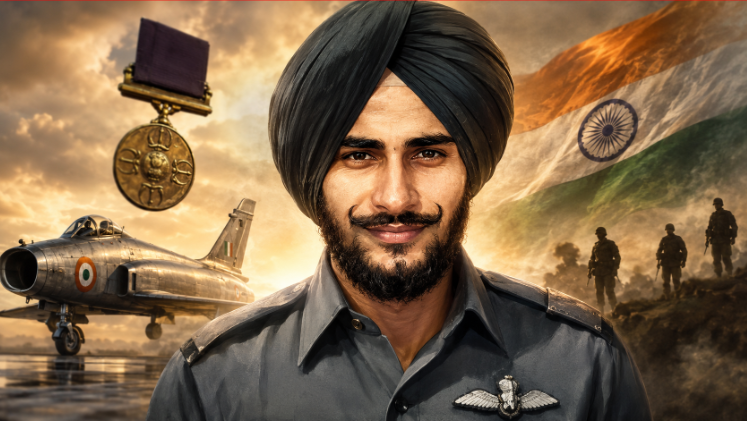
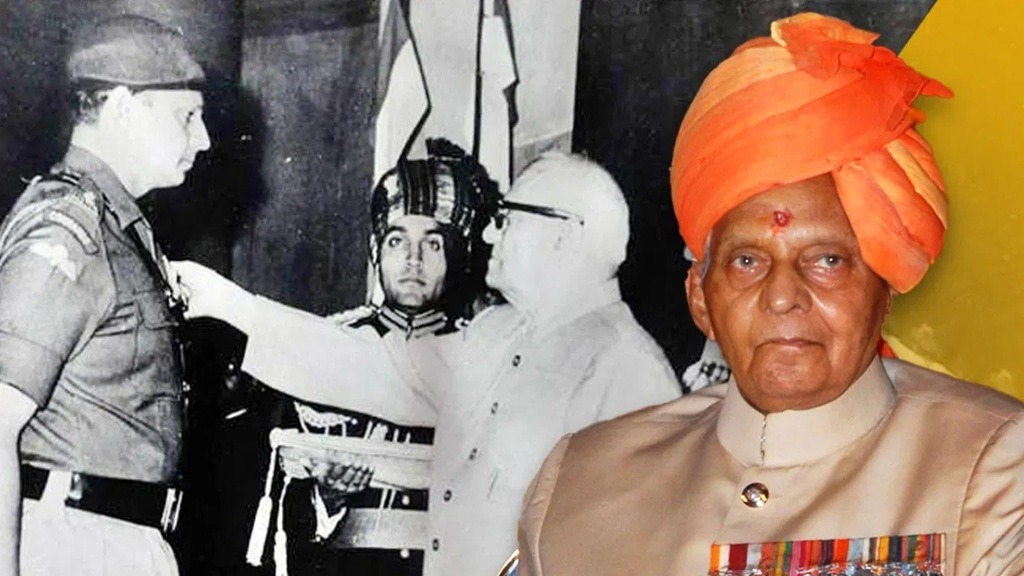
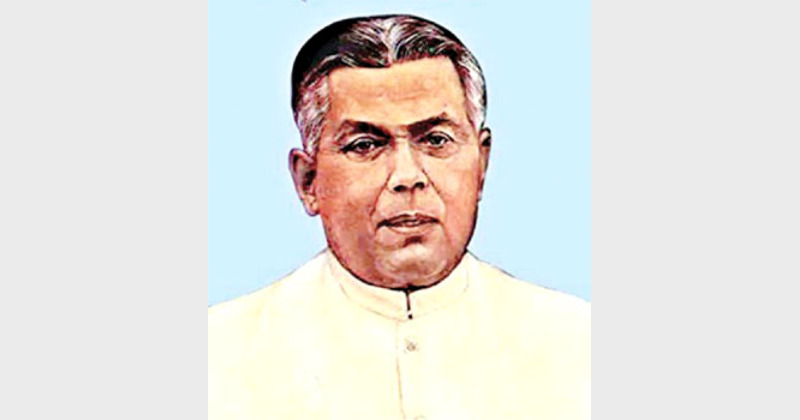
Flying Officer Nirmaljit Singh Sekhon | This image is AI-generated
The 1971 war began after Pakistan made a grave miscalculation, forcing India into a conflict that would ultimately change both history and geography. The war officially started on December 3, 1971, and ended just thirteen days later, on December 16, with Pakistan’s surrender. But behind this historic victory lie countless stories of extraordinary courage and sacrifice. One such story belongs to Nirmaljit Singh Sekhon. This is the incredible tale of the lone defender of Srinagar airfield.
On December 14, 1971, at exactly 8:02 in the morning, at the Srinagar Air Base, radar operators suddenly noticed six fast-moving dots appearing on the screen. These were Pakistani Air Force F-86 Sabre jets from No. 26 Squadron, flying in from the Peshawar Air Base. Their mission was clear: destroy Srinagar airfield and cripple the Indian Air Force’s presence in the Kashmir Valley. Armed with 500-pound bombs and heavy machine guns, the six Sabre jets crossed the Pir Panjal range and were spotted over Awantipora in Pulwama district.
Seconds later, sirens screamed across the airbase: “Air Raid! Air Raid!” Within moments, the skies over Srinagar erupted into chaos. The Sabre jets dived low, dropping bombs on the runway while machine-gun fire ripped through the airfield. Smoke, dust, and explosions engulfed the entire base. Stationed there was the Indian Air Force’s No. 18 Squadron, famously known as the “Flying Bullets.” The situation was extremely dangerous.
Yet two Indian pilots were immediately prepared to take off in their tiny Folland Gnat fighter aircraft: Flight Lieutenant B.S. Ghumman and his wingman, Flying Officer Nirmaljit Singh Sekhon.
This was the same squadron whose motto was: “Swift and Fearless.”
And within minutes, those words were about to become history. As enemy aircraft circled above, Sekhon accelerated toward the runway. Just seconds after his Gnat lifted off, a bomb exploded directly behind him on the runway. Through clouds of dust and smoke, Sekhon turned his tiny aircraft toward the skies. But the battle above was far from equal. On one side were six heavily armed Pakistani F-86 Sabre jets, among the most advanced fighter aircraft of that era.
On the other side was a single Indian pilot in a small Gnat fighter aircraft — affectionately nicknamed the “Sabre Slayer” by Indian pilots. But that day, the true strength was not the machine. It was the man flying it.
During the battle, Sekhon radioed the control tower: “I am right behind two Sabres… I will not let them go.” What followed was one of the fiercest dogfights in Indian Air Force history. Displaying extraordinary courage and flying skill, Sekhon launched himself directly into the enemy formation. His sudden and aggressive attack stunned the Pakistani pilots.
Maneuvering sharply through the skies, he locked onto the first Sabre jet with his gunsight. Moments later, his 30 mm ADEN cannons roared to life. The burst of fire struck the Pakistani jet directly, sending it spiraling downward in flames and smoke. Soon afterward, Sekhon’s voice echoed again over the wireless: “I am engaged and enjoying it. Two Sabres are around me. I am chasing one while the other is following me.” This was not merely a radio message.
It was a challenge thrown directly into the face of death. Sekhon then executed another sharp turn and went after a second Sabre jet. By now, the dogfight had descended dangerously low over the valleys of Srinagar. The fighter aircraft were flying so close to the mountains that people on the ground could feel their thunderous roar shaking the valley.
Moments later, another explosion lit up the skies. Sekhon had hit the second Sabre jet as well. The damaged Pakistani aircraft was seen trailing fire and smoke as it fled toward the Rajouri sector. Panic spread among the Pakistani pilots. The carefully coordinated six-aircraft attack formation had now completely broken apart. A lone Indian pilot was overpowering the entire enemy mission.
But the battle was not yet over. During the intense engagement, Sekhon’s Gnat had also been struck by enemy fire. Warning lights flashed inside the cockpit as the aircraft’s control systems began failing. Smoke and flames surrounded the aircraft. Even then, Sekhon continued fighting.
His final message over the radio was heard: “It seems my Gnat has also been hit… Ghumman, you take over now.” Air Traffic Control repeatedly ordered him to return to base. But Sekhon understood one thing clearly: If he retreated, Srinagar airfield would remain exposed to enemy attack.
So he continued the fight until the very end. For a few moments, his aircraft continued flying straight. Then suddenly, the damaged control systems failed. The Gnat lost balance and began turning upside down. Sekhon attempted to eject using his parachute, but the aircraft was flying too low for the parachute to deploy properly.
His aircraft eventually crashed in the hilly terrain near Budgam, close to Srinagar. The valley fell silent. But within that silence, another truth had already emerged: The remaining Pakistani Sabre jets had turned back. Their attack had failed.
Srinagar airfield had been saved. A single Indian pilot had successfully foiled an entire Pakistani air assault. At just 26 years of age, Flying Officer Nirmaljit Singh Sekhon sacrificed his life for the nation. But before his martyrdom, he had single-handedly shattered Pakistan’s mission to destroy Srinagar airbase. For this supreme act of bravery, the Government of India posthumously awarded him the Param Vir Chakra on 26 January 1972. To this day, he remains the only officer from the Indian Air Force ever to receive the Param Vir Chakra.