Rajkot’s Forgotten War: When Rajputs Defeated the Mughals and Reclaimed Their City
In 1720 AD, the Mughal deputy, Masum Khan, cast his dark gaze upon Rajkot. Driven by ruthless ambition, he stormed the city, determined to expand Mughal authority into the heart of Saurashtra.

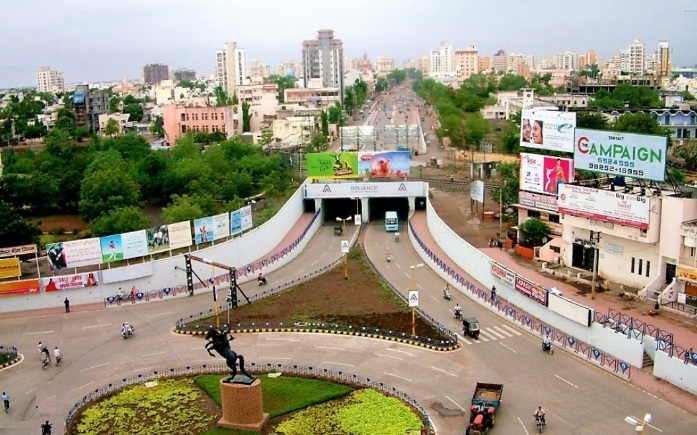
The city of Rajkot | Image Source: Travel History
In 1612, on the auspicious day of Ashadha Shukla Dvadashi, Vibhoji Ajoji Jadeja founded Rajkot on the banks of the Aji River. More than just a military outpost, it was envisioned as a beacon of prosperity. The "Royal Fortress" spanned roughly 282 square miles, overseeing 64 villages. To secure this dream, Vibhoji constructed a sturdy fortified settlement protected by massive stone gates that were reinforced with iron spikes to repel elephant-led charges, ensuring the city’s safety. Under the Jadejas, Rajkot flourished into a "City of Merchants." The Bania and Jain communities became the pillars of a thriving economy, turning the bazaars into vibrant hubs of silks, spices, and fine wool fabrics. For over a century, the city lived in a golden era where Rajput honour and community commerce thrived side-by-side.
The city of Rajkot | Image Source: Travel History
The Storm of 1720: The Mughal Conquest
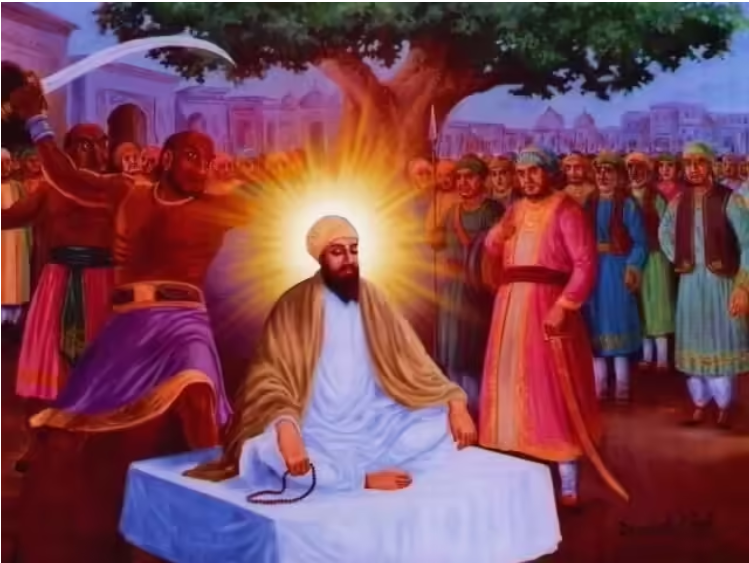
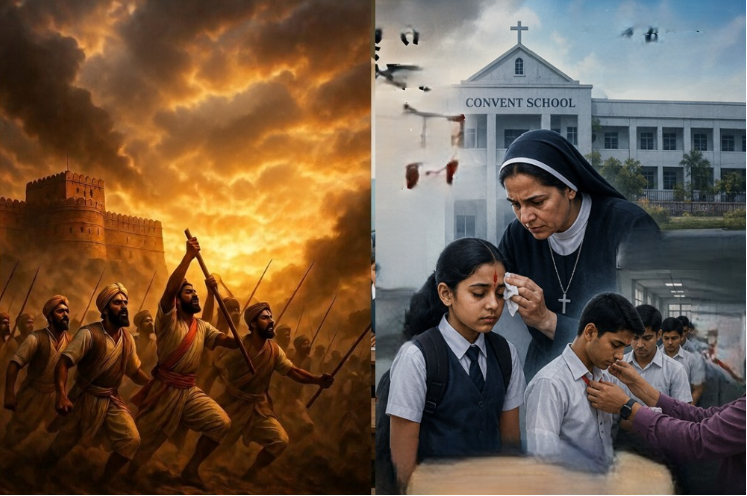
But beauty attracts greed. In 1720 AD, the Mughal deputy, Masum Khan, cast his dark gaze upon Rajkot. Driven by ruthless ambition, he stormed the city, determined to expand Mughal authority into the heart of Saurashtra. His forces were equipped with advanced artillery cannons that thundered, and matchlock guns unleashed relentless fire. However, the ruling king of Rajkot, Thakor Meramanji II, fought valiantly, his cavalry charging with swords and spears against Mughal artillery.
Yet the thunder of cannons shattered their lines, and the concentrated fire of matchlocks broke their ranks. In the height of combat, Meramanji II fell, a lion cut down in his prime. With their ruler slain and their defenses breached, Rajkot was left vulnerable. And then came the insult deeper than conquest: Masum Khan renamed the city Masumabad, not just a political act, but a deliberate attempt to erase Rajput identity and overwrite its legacy. For nearly a decade, the jewel of Saurashtra remained under Mughal control, its pride suppressed under foreign rule.
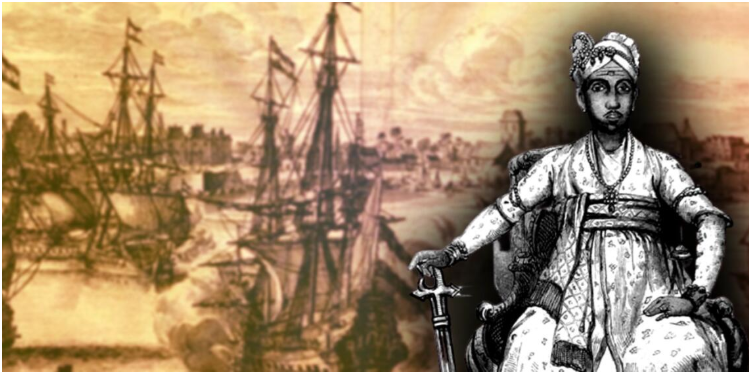
Vibhaji Jadeja | Image Source: Instagram/@RoyalArchives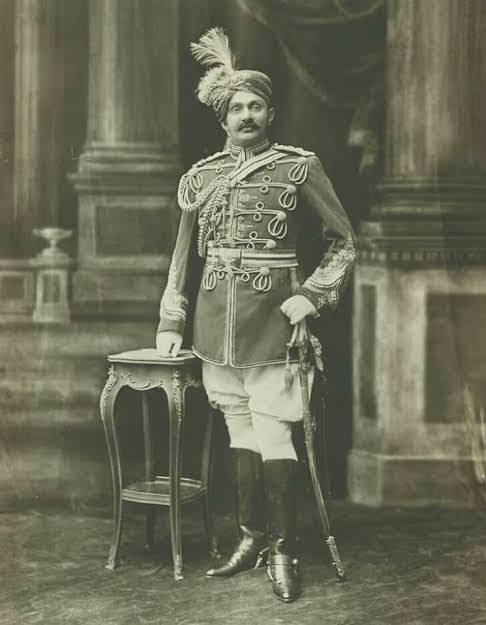
The Rajput Revenge
But Rajkot’s spirit was never broken. Ranmalji I, son of Meramanji II, did not rush into blind revenge. Instead, he chose patience over impulse. For over a decade, he lived in exile observing, learning, and waiting. He studied Masum Khan’s administrative weaknesses and launched calculated guerrilla strikes on Mughal supply lines, slowly draining their strength and morale. He knew the land. He knew the walls. And most importantly, he knew their weaknesses.
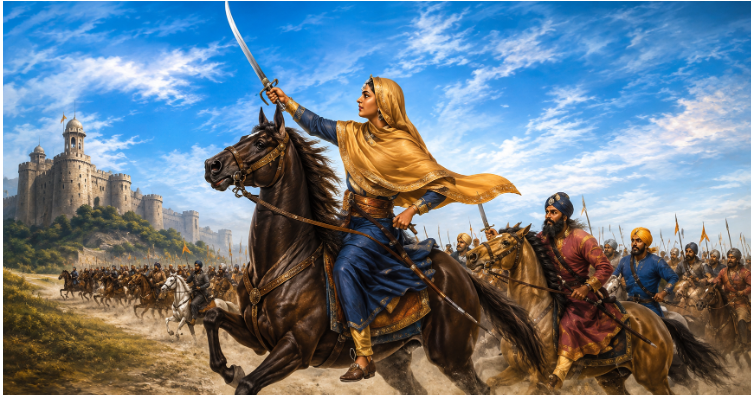
In 1732, Ranmalji struck after meticulously building a coalition of loyal local chieftains, leading to a battle to reconquer Rajkot. A carefully planned, multi-pronged assault caught the Mughal forces completely off guard before they could even man their artillery. Using his deep knowledge of the fortifications, he exploited hidden vulnerabilities in the defenses. The Rajputs stormed the fortress, and in the chaos of battle, Ranmalji himself killed Masum Khan. With their leader dead, Mughal authority collapsed instantly. Rajkot was free once again. To ensure the city would never fall again, Ranmalji settled his brothers in the Gras villages of Gavridar, Shahpur, and Kotharia, creating a protective ring of loyal outposts. Rajkot was once more a Rajput stronghold, its honor restored, its spirit unshaken.
Rajkot’s story is not just about its foundation; it is about resistance against greed and invasion. When Mughal ambition tried to seize the city and erase its identity, it was not just a battle for land but a fight for honor. On this Foundation Day, we also remember that Rajkot has stood strong for over four centuries, carrying forward the vision with which it was built. What began as a dream has survived every storm thrown at it. This day reminds us that greed may rise, invasions may come, but a land built on pride and sacrifice will always rise again.