The Battle of Colachel: The War Fought on Kerala’s Coast That Shook All of Europe: The Heroic Saga of Maharaja Marthanda Varma
It is the true saga of a Hindu emperor who, in the 18th century, brought one of Europe’s most powerful naval forces to its knees.

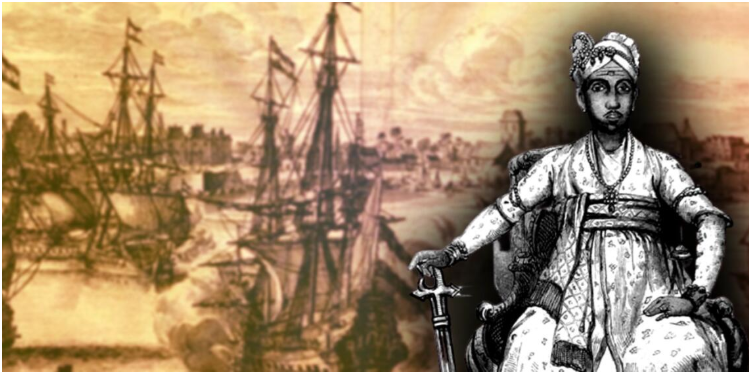
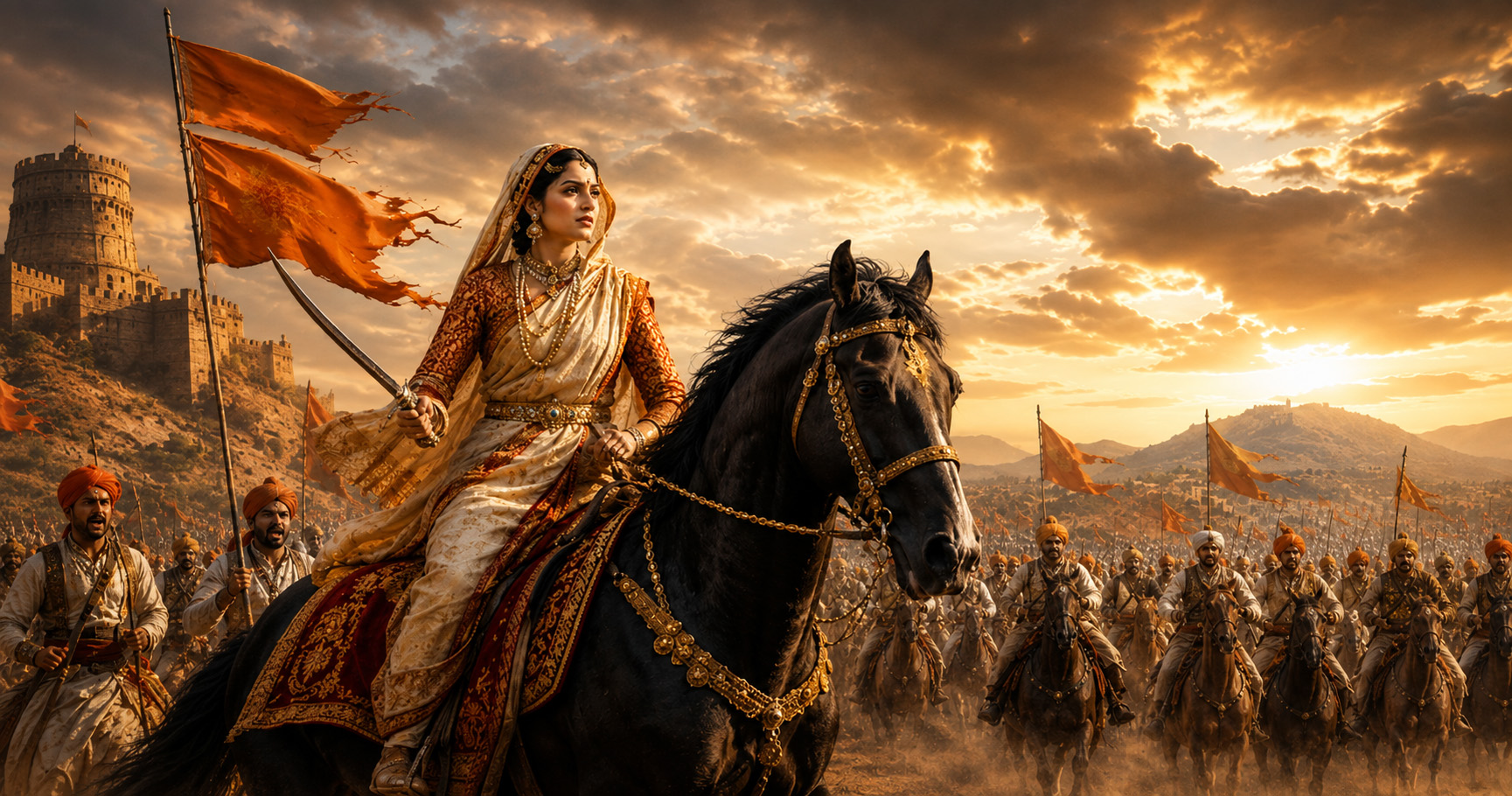
Battle of Colachel and Maharaja Marthanda Varma (representative image) | Image Source: TFI Post
Across the roaring waves of the Indian Ocean survives a story that history tried to bury. It is the true saga of a Hindu emperor who, in the 18th century — an era when European colonial armies were considered invincible — brought one of Europe’s most powerful naval forces to its knees. This is the story of Maharaja Marthanda Varma of Travancore, who, in the Battle of Colachel in 1741, inflicted such a crushing defeat upon the Dutch East India Company that its echoes were heard across Europe itself. That defeat permanently shattered Dutch ambitions of dominating India. Yet, unfortunately, historians influenced by colonial narratives never gave this victory the place it truly deserved in history.
In the 16th and 17th centuries, the Dutch East India Company was regarded as one of the richest and most powerful trading corporations in the world. It possessed its own formidable navy, considered even stronger than the Portuguese and British fleets of that era. The Dutch navy carried some of the most advanced weapons of the time.
The Dutch held a monopoly over the spice trade, and Kerala’s black pepper was more valuable to them than gold itself. By the 1740s, the Dutch had established an enormous influence across Asia through their maritime trade empire. At the same time, Travancore was emerging as a rising power under Maharaja Marthanda Varma, who was determined to unite and strengthen his kingdom. He had already brought regions such as Attingal, Quilon, and Kayamkulam under his control.
The growing power of Marthanda Varma deeply alarmed Dutch Governor Gustaaf Willem van Imhoff. Frustrated and threatened, the governor eventually tried to intimidate the Maharaja. But Marthanda Varma remained completely unfazed. Instead, he boldly declared, “I can defeat any Dutch army. If necessary, I may even consider invading Europe.” These were not merely words of defiance — they were a warning of what history was about to witness. The Dutch now began seeing Marthanda Varma’s expansion as a direct challenge to their dominance. Governor Van Imhoff attempted diplomatic conspiracies by aligning with defeated local rulers against Travancore. But Marthanda Varma quickly understood the Dutch strategy.
In response, he dispatched his forces and captured several Dutch forts in the Malabar region. Furious at this setback, Van Imhoff summoned the Dutch navy from Sri Lanka and ordered a direct attack on Travancore. On November 26, 1740, the Dutch East India Company’s fleet arrived off the coast of Colachel with seven massive warships armed with modern cannons and firearms. Soon, relentless bombardment began from the sea. Within moments, the town was engulfed in flames and smoke.
The Dutch were convinced that Travancore’s forces, equipped largely with traditional weapons, would not survive for long against European artillery. But that became their greatest mistake. They did not realize they were facing not an ordinary king, but a fearless warrior and brilliant strategist. Marthanda Varma completely changed the course of the war through strategy and deception. He ordered coconut tree trunks to be cut and mounted on bullock carts in such a way that they appeared from a distance like giant cannons. Seeing this, the Dutch forces became confused and hesitated to advance further.
Meanwhile, Marthanda Varma surrounded the Dutch with nearly 10,000 soldiers. He also received critical support from the local Mukkuvar fishing community, whose knowledge of the sea proved invaluable. As a result, the Dutch fleet became trapped along the coast, and their supply lines were cut off. No reinforcements or supplies could reach them from Sri Lanka or Cochin. Slowly, the once-mighty European force began falling prey to fear, exhaustion, and hunger.
Then came the decisive moment that transformed history forever. The Travancore army launched a devastating assault on the Dutch weapons depot. The gunpowder stores exploded, and within moments flames engulfed the Dutch camp. For days, fierce fighting continued. Finally, on July 31, 1741, the Dutch army surrendered. Travancore’s forces killed thousands of Dutch soldiers, while many others were severely wounded. Several Dutch officers, including 24 military commanders, were captured alive. Some soldiers managed to escape by sea toward Cochin. During the battle, Travancore’s army also seized 389 guns and several cannons from the Dutch forces.
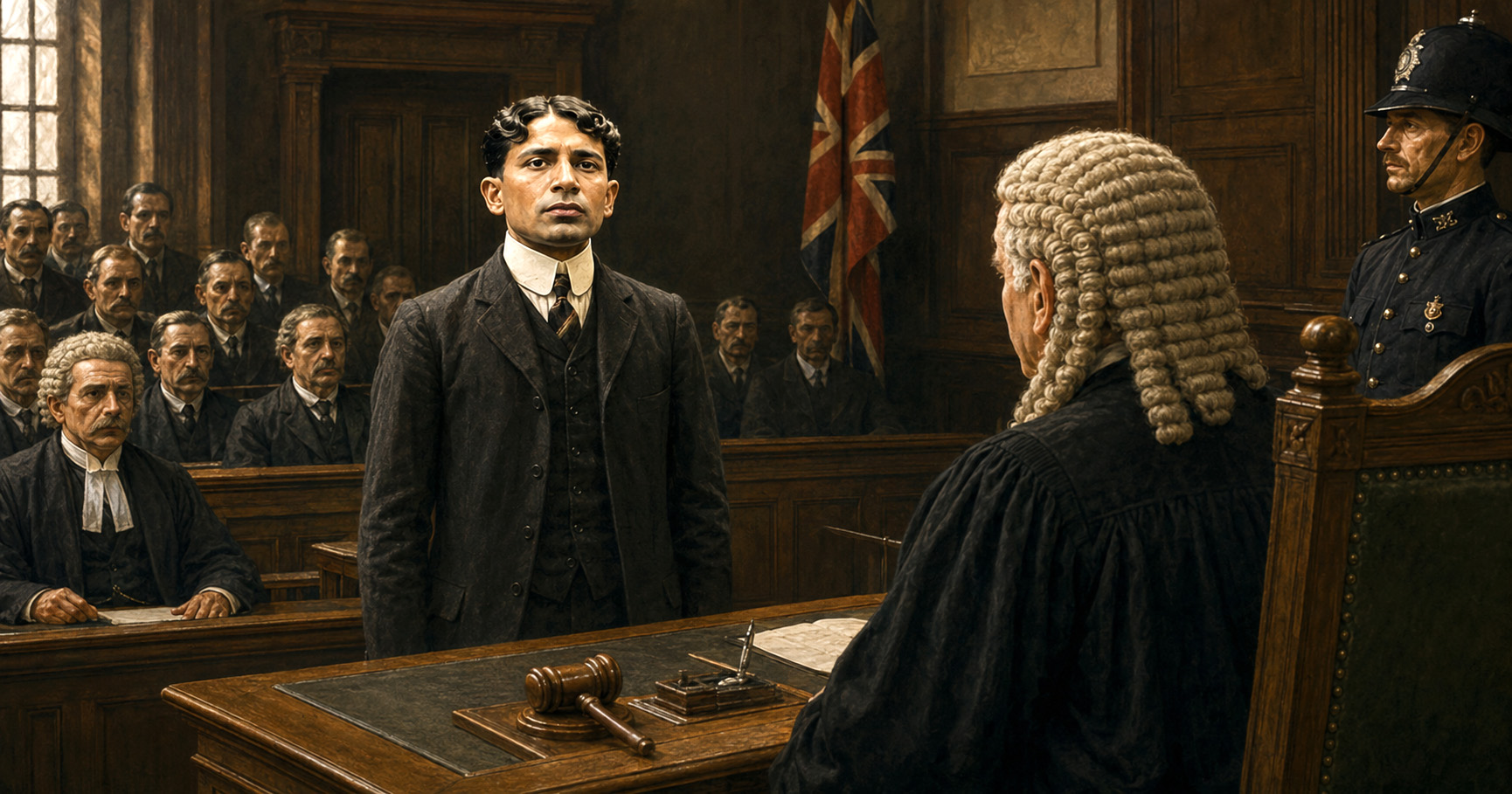
Among the prisoners brought before Maharaja Marthanda Varma was Dutch commander Eustachius De Lannoy. These were the very soldiers of the supposedly invincible Dutch navy — now standing defeated before an Indian king. The victory at Colachel was not merely a military triumph. It was one of the greatest blows ever delivered to the arrogance of European colonialism in India. After this defeat, Dutch power in India rapidly declined and never fully recovered. To commemorate the victory, Maharaja Marthanda Varma erected a Victory Pillar at Colachel. Ruling with courage, discipline, and vision, Anizham Thirunal Marthanda Varma passed away on July 7, 1758.
History may not have granted the Battle of Colachel the prominence it deserves, but even today, the waves of the sea seem to bear witness to one timeless truth: When courage, intelligence, and devotion to one’s nation stand united, even the greatest power in the world can be brought to its knees.