Lakshmibai Kelkar: The Woman Who Saved Hindu Families From Karachi During Partition
"Mausiji" and Venutai were the only women aboard. The rest of the passengers were Muslims, raising provocative slogans.

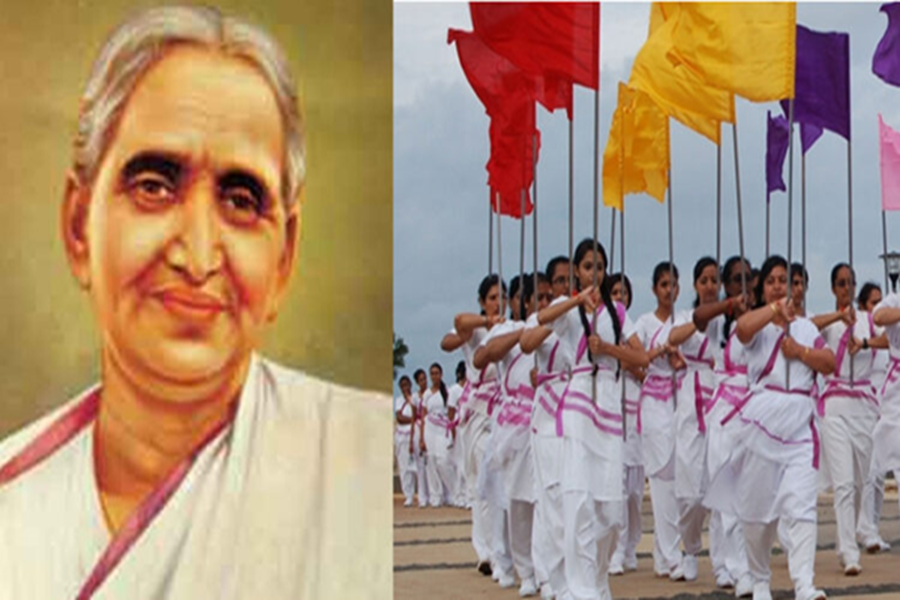
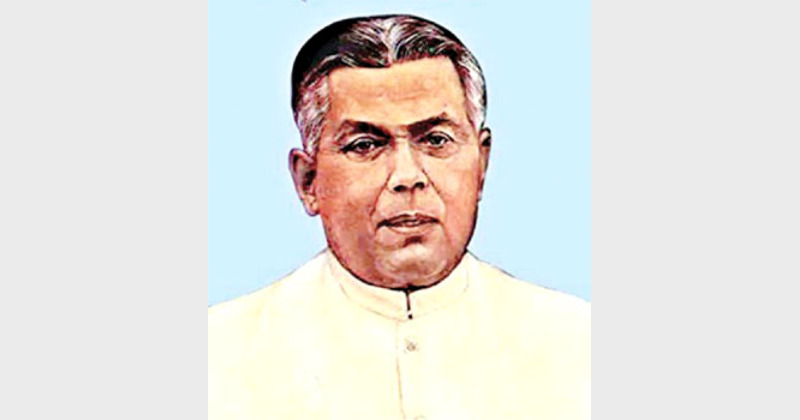
Lakshmi Bai Kelkar | Image Source: VSK Bhopal
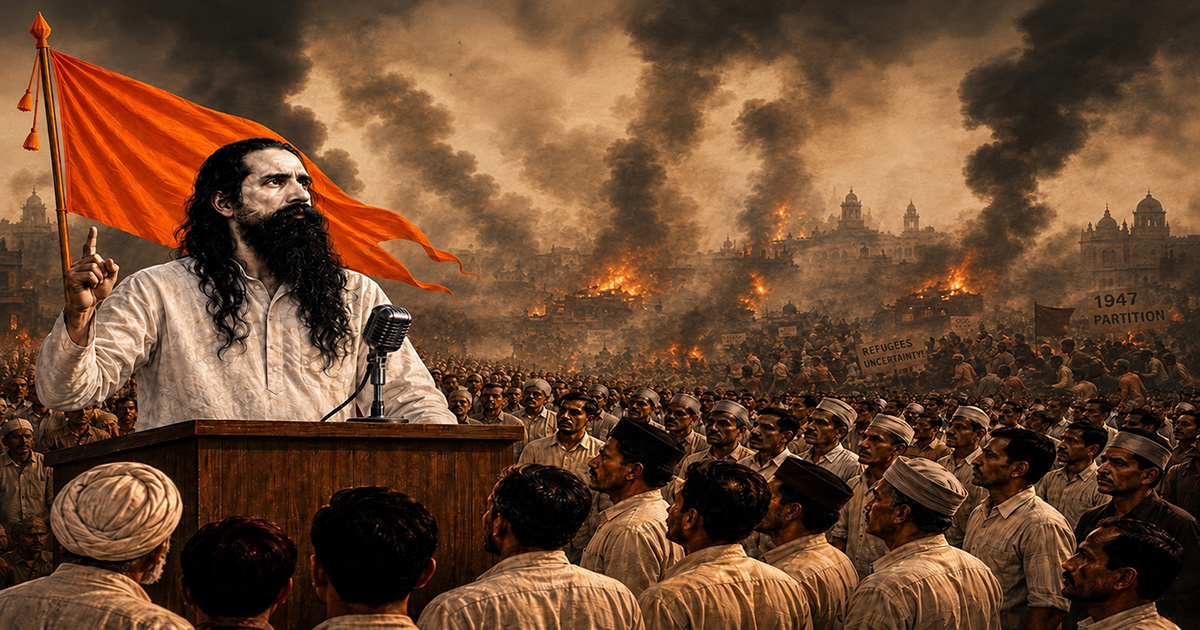
The Partition of India and Pakistan in 1947 was one of the greatest human tragedies in history. Millions lost their lives, countless families were uprooted, and women suffered the most horrific atrocities. Yet, amidst that darkness emerged a shining light — Lakshmibai Kelkar, lovingly known as Vandaniya Mausiji.
The story begins in August 1947, when the borders between India and Pakistan were being drawn. Sindh province became a part of Pakistan, and attacks on Hindu families intensified rapidly. Reports of riots, looting, murders, and inhuman atrocities against women arrived daily. At that time, Jethi Devani, head of the Sindh branch of the Rashtra Sevika Samiti, wrote to Mausiji seeking urgent assistance. Lakshmibai Kelkar, who had founded the organization in 1936 to prepare women for national service, made an immediate decision to travel to Karachi. Her mission was clear: to replace fear with courage, to inspire women to protect their dignity, and to keep them united during the crisis.
On August 13, 1947, Mausiji boarded a Tata Air Services flight from Juhu Airport in Mumbai along with her trusted associate Venutai Kalamkar. It was an extremely dangerous journey. Even air travel had become unsafe, and the chaos of Partition had spread everywhere.
The flight itself became a test of endurance. Mausiji and Venutai were the only women aboard. The rest of the passengers were Muslims, raising provocative slogans such as “Pakistan Zindabad” and “Ladke Liya Pakistan, Hanske Lenge Hindustan.” Remaining calm and composed, Mausiji silenced the disturbance and focused entirely on the challenges ahead.
After a brief halt in Ahmedabad, the plane landed at Karachi’s Drigh Road Airport around 3 PM. Waiting there were Mausiji’s son-in-law Cholkar, husband of her daughter Vatsala, along with 15–20 women of the Rashtra Sevika Samiti. For security, several swayamsevaks from the Rashtriya Swayamsevak Sangh were also present. Travelling in one of the swayamsevak’s cars, they moved cautiously through the city. The threat of riots loomed everywhere, but Mausiji’s resolve remained unshaken.
Then came August 14, 1947, the day Pakistan celebrated its first Independence Day. While chaos and uncertainty filled the streets of Karachi, around 1,200 to 1,400 women and swayamsevaks secretly gathered on the rooftop of a house for a clandestine meeting. The gathering was incredibly risky; an attack could have occurred at any moment.
Mausiji addressed the women with extraordinary compassion and firmness. She understood their pain and told them: remain patient, protect yourselves, place complete faith in the organization, and never abandon your vow of service to the motherland. She assured them that once they reached India, every effort would be made to help them rebuild their lives.
These were not merely words; they became a lifeline for women trapped in fear and despair. Such was the confidence in Mausiji’s voice that every woman present felt a renewed sense of courage.
After the gathering, Lakshmibai Kelkar took practical steps to ensure the safety of displaced Hindu women and volunteers. She played an active role in arranging their movement from Karachi to India through trains, buses, and other means of transport.
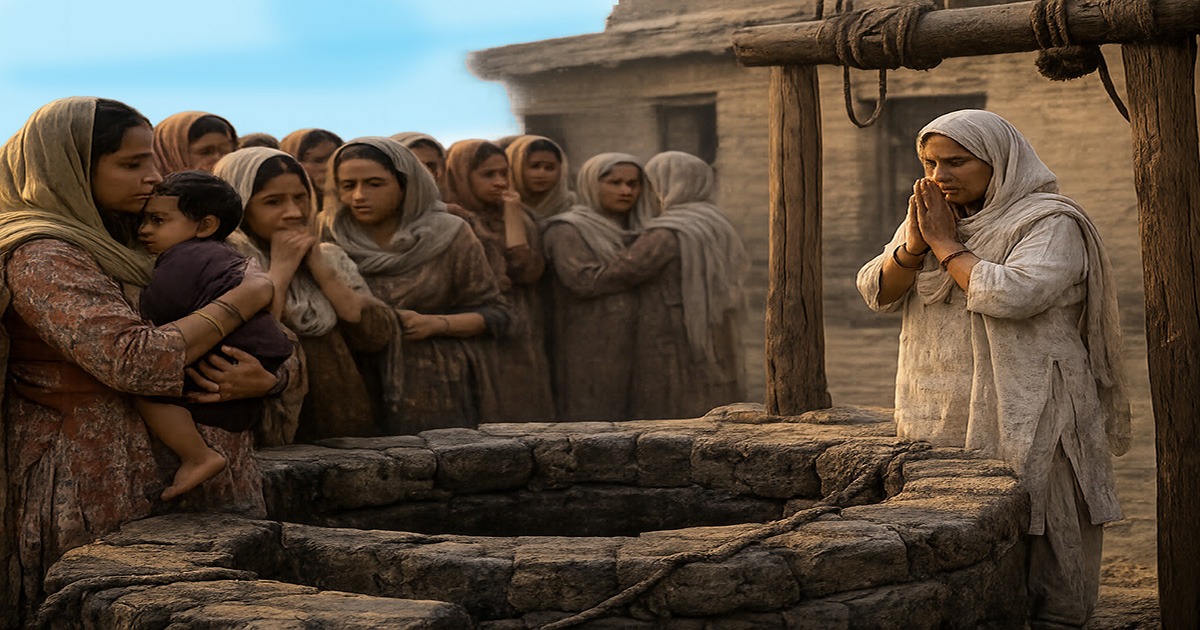
Once they reached Mumbai, Mausiji organized a secret shelter and protection for many of them in different homes and safe locations. Food, clothing, accommodation, and emotional support were arranged with care and sensitivity. Many of the women were traumatized, humiliated, and emotionally shattered, but Mausiji encouraged them to believe that they could still contribute to national service and rebuild their lives with dignity. For several days, she stayed with these women in Mumbai, listened to their stories, and gave them the strength to begin again.
The significance of this episode remains profound even today. During the horrors of Partition, millions of women suffered unimaginable pain, but women like Lakshmibai Kelkar proved that courage, organization, and determination could still create hope amidst catastrophe.
Her journey stands as a powerful example of women’s empowerment — proof that the resolve of a single individual can save thousands of lives. Even today, the Rashtra Sevika Samiti continues to work on her ideals. Through yoga, self-defense training, social service, and the promotion of Indian cultural values, the organization continues to empower countless women across the country.
Mausiji’s story teaches us that when society begins to crumble, women often become its strongest pillar of resilience. This episode may not occupy many pages in history books, but it remains a timeless tale of courage — one that will continue inspiring generations to come.
.jpg)