The History of Sarvajanik Ganesh Utsav: How Bal Gangadhar Tilak Turned Festival into a Mass Movement?
By the closing years of the nineteenth century, India was not only suffering under British political rule but was also experiencing deep social divisions.

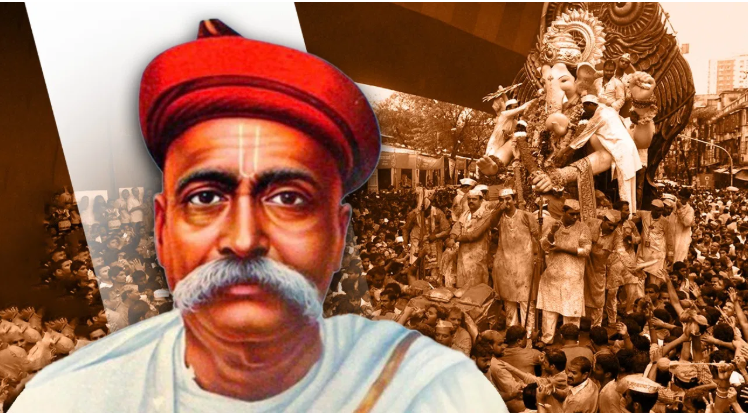
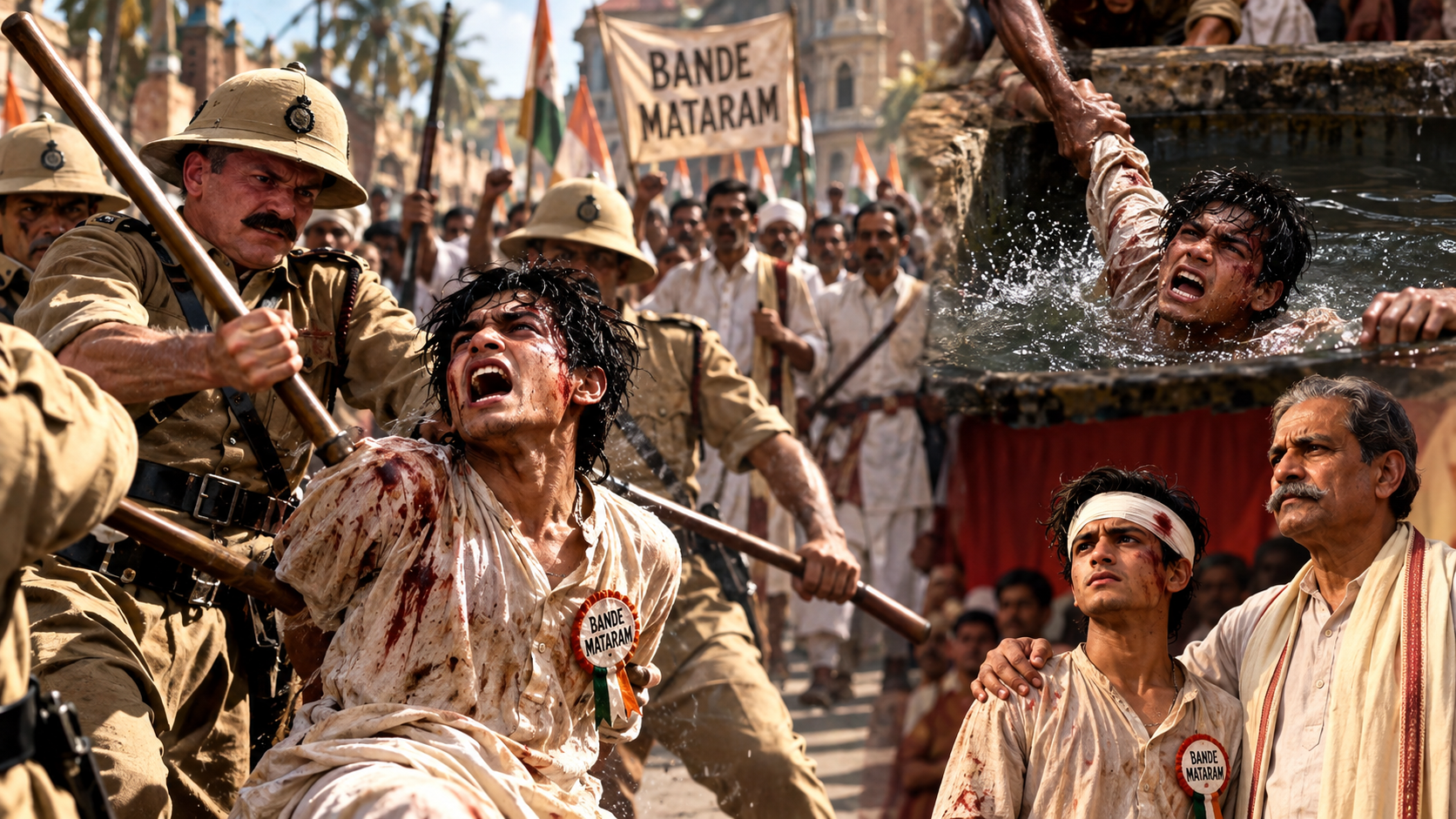
Bal Gangadhar Tilak's Sarvajanik Ganesh Utsav | This image is AI-generated
Certain chapters in India's cultural consciousness are not merely traditions but social revolutions born out of the struggles of their time. The public celebration of Ganesh Utsav is one such story, where faith became a force for organisation, and the vision of one man gave a new direction to Hindu society. This is the story of Bal Gangadhar Tilak, who transformed a religious festival into a mass movement. Tilak understood that when a society begins to fragment, it cannot be united by ideas alone—it also needs an emotional and spiritual foundation. He believed that Lord Ganesha (Ganapati) could become the most powerful symbol of that unity.
By the closing years of the nineteenth century, India was not only suffering under British political rule but was also experiencing deep social divisions. The British Indian government had successfully implemented its policy of "divide and rule." According to this account, the British openly encouraged Muslims while Hindu society was weakened by caste discrimination, untouchability, and social inequalities.
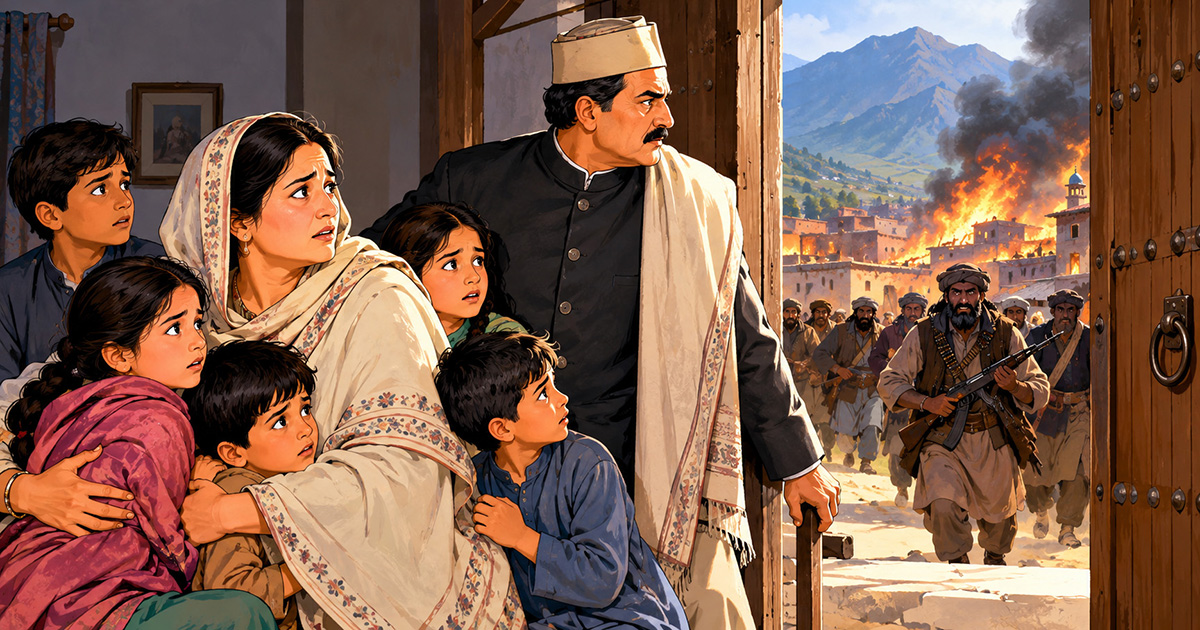
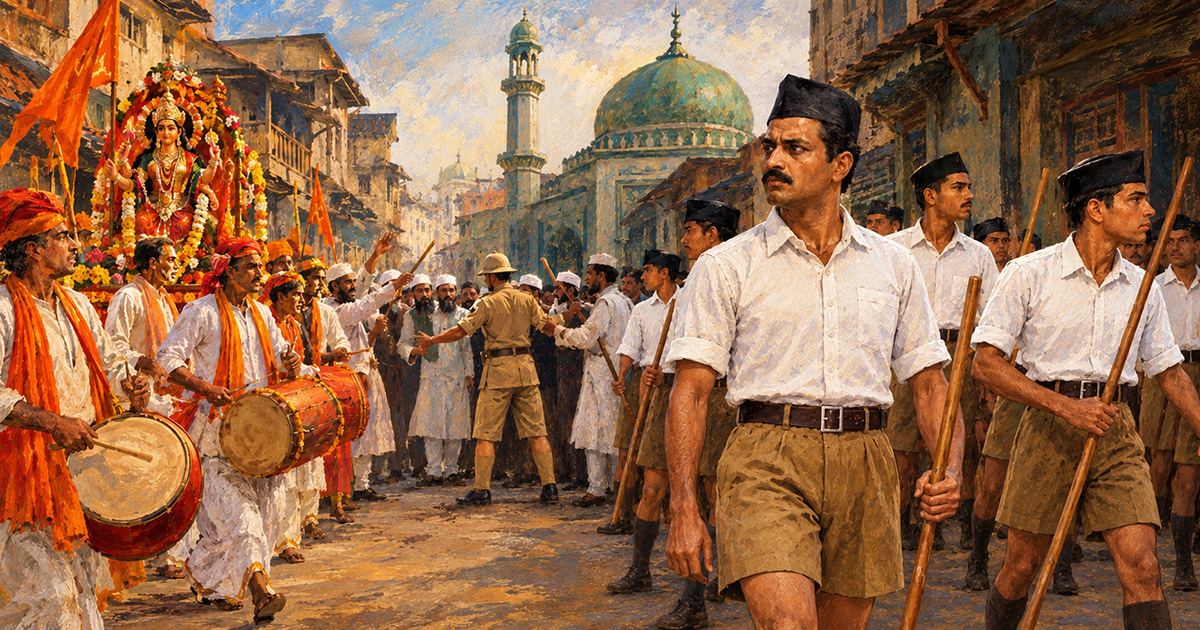
Amid this atmosphere, in 1893, Hindu devotees performing bhajans and kirtans at the Hanuman Temple in Paydhoni, Mumbai, were suddenly attacked by Muslim extremists. According to official figures, 75 people were killed in the violence. Instead of delivering justice to the Hindus, the British administration sided with the Muslims. As a result, the anti-Hindu violence that began in Paydhoni spread across Maharashtra. Extremists selectively targeted innocent Hindus. When Hindus acted in self-defence, Governor Lord Harris blamed them instead. In protest, Bal Gangadhar Tilak raised the voice of Hindus through his newspaper Kesari. However, the anti-Hindu riots did not end there. In April 1894, during the Sant Dnyaneshwar Palkhi procession passing through the Dulya Maruti Temple in Pune, Muslims pelted stones at the procession, injuring several Hindus.
This was also a period when Muharram processions had become increasingly popular across Maharashtra, with not only Muslims but also large numbers of Hindus participating in them. But the repeated attacks on Hindus by extremist Muslims deeply disturbed Tilak. He observed that while Hindus willingly participated in Muharram processions, Hindu religious processions were repeatedly attacked by extremists. This prompted him to launch a campaign for Hindu awakening.
Tilak's campaign had an immediate impact. Hindus stopped participating in Muharram processions. As a result, the number of graves dug in Pune for the burial of tazias after the Muharram procession reportedly fell from 300–400 in 1893 to just 50–75 in 1894. The implication was clear—many Hindus had stopped installing tazias.
Tilak then began searching for a way to unite Hindus under a common platform. He noticed that respected individuals such as Annasaheb Khajgiwale, Bhau Laxman Javale (popularly known as Bhausaheb Rangari), and Ganesh Narayan Ghotawadekar organised Ganesh worship every year. Tilak visited these pandals, studied their organisation, and gathered information.
Inspired by these efforts, he established the tradition of Sarvajanik Ganesh Utsav with the objective of promoting unity and equality among Hindus. In 1893, he organised the first public Ganesh festival at Kesari Wada in Pune, inviting people from every section of Hindu society without any discrimination. It became the first public Ganesh celebration where people from all castes and communities participated together, marking the beginning of a new tradition.
Gradually, through his remarkable organisational skills, Tilak encouraged the formation of Ganesh Mandal committees across Maharashtra. Over time, the public celebration of Ganesh Utsav spread throughout the region. By 1896, it had expanded beyond the Bombay Presidency into the Central Provinces, Berar, and the princely state of Hyderabad.
The public Ganesh Utsav had become much more than a religious festival—it had evolved into a centre of social and national consciousness. Large gatherings took place at Ganesh pandals, where people not only worshipped but also discussed social issues, sang patriotic songs, and organised programmes for public awareness. Community feasts and the collective distribution of prasad were also organised to strengthen Hindu unity, helping reduce the practice of untouchability and caste discrimination within Hindu society. When the British introduced laws in 1907 to restrict political meetings, these very Ganesh pandals became secret centres of the freedom movement. Over time, the public celebration of Ganesh Utsav spread from Maharashtra to the rest of India.
Today, Ganesh Utsav is not merely a religious festival but a symbol of cultural unity and social harmony. Every year, thousands of pandals install Lord Ganesha, where devotees remember not only their faith but also their responsibilities towards society and the nation. Yet behind its grand celebrations lies the same original spirit—to unite Hindu society, eliminate discrimination, and awaken collective strength.
Bal Gangadhar Tilak demonstrated that when faith is given the right direction, it does not remain confined to worship alone—it becomes an instrument of social transformation. The idea that emerged from the violence in Paydhoni continues to live on, with every Ganesh Utsav pandal serving as a platform to bring society together.
.jpg)