How Dr. Syama Prasad Mukherjee Brought Hope to Riot Victims Amid Communal Violence in Dhaka
The Dhaka riots of 1941 not only engulfed the city of Dhaka but also spread across rural areas, particularly in the police station jurisdictions of Raipur, Shivpur, and Narsingdi, where violence had become widespread.

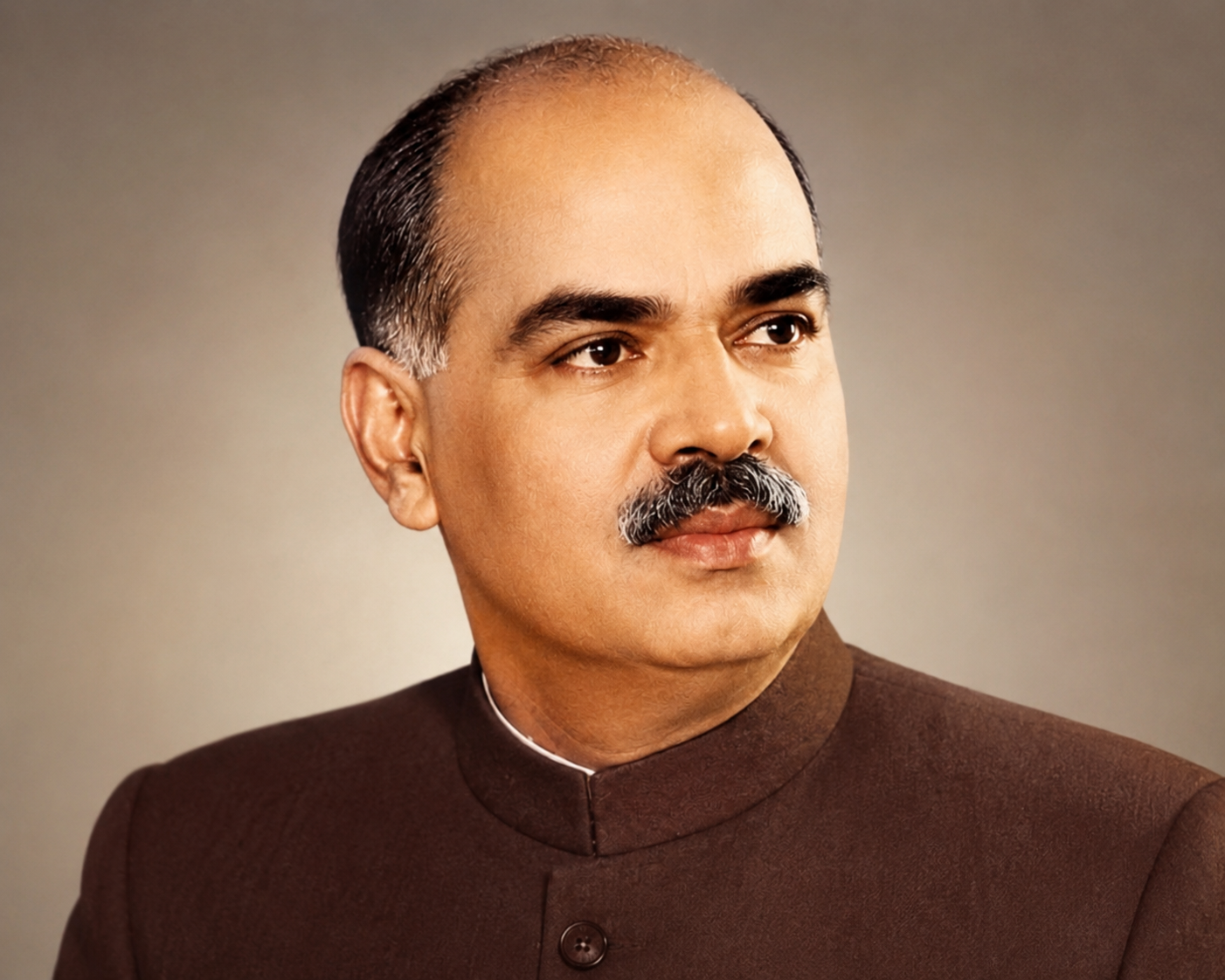
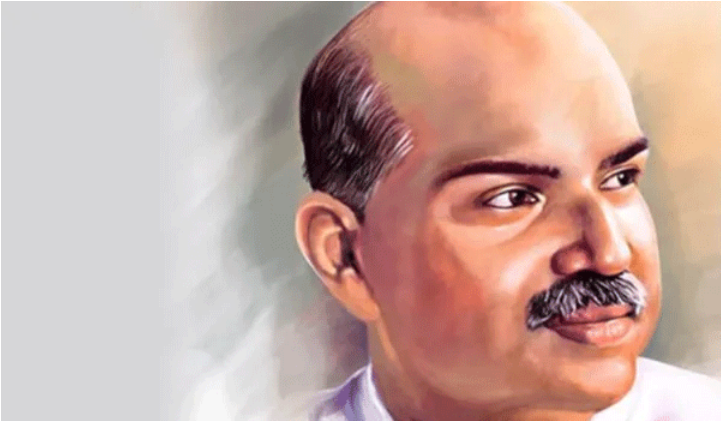
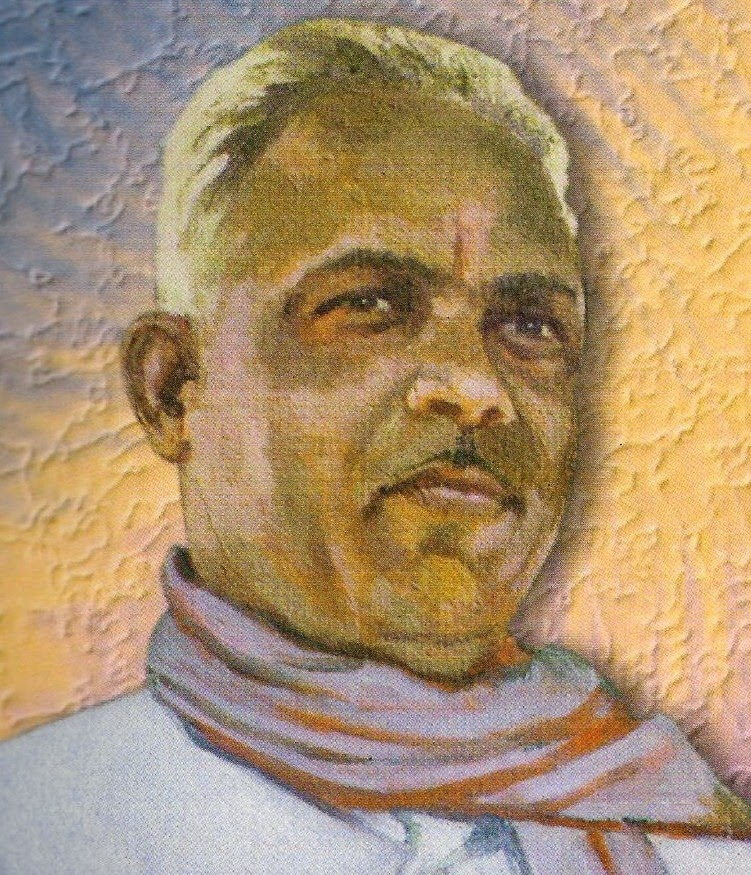
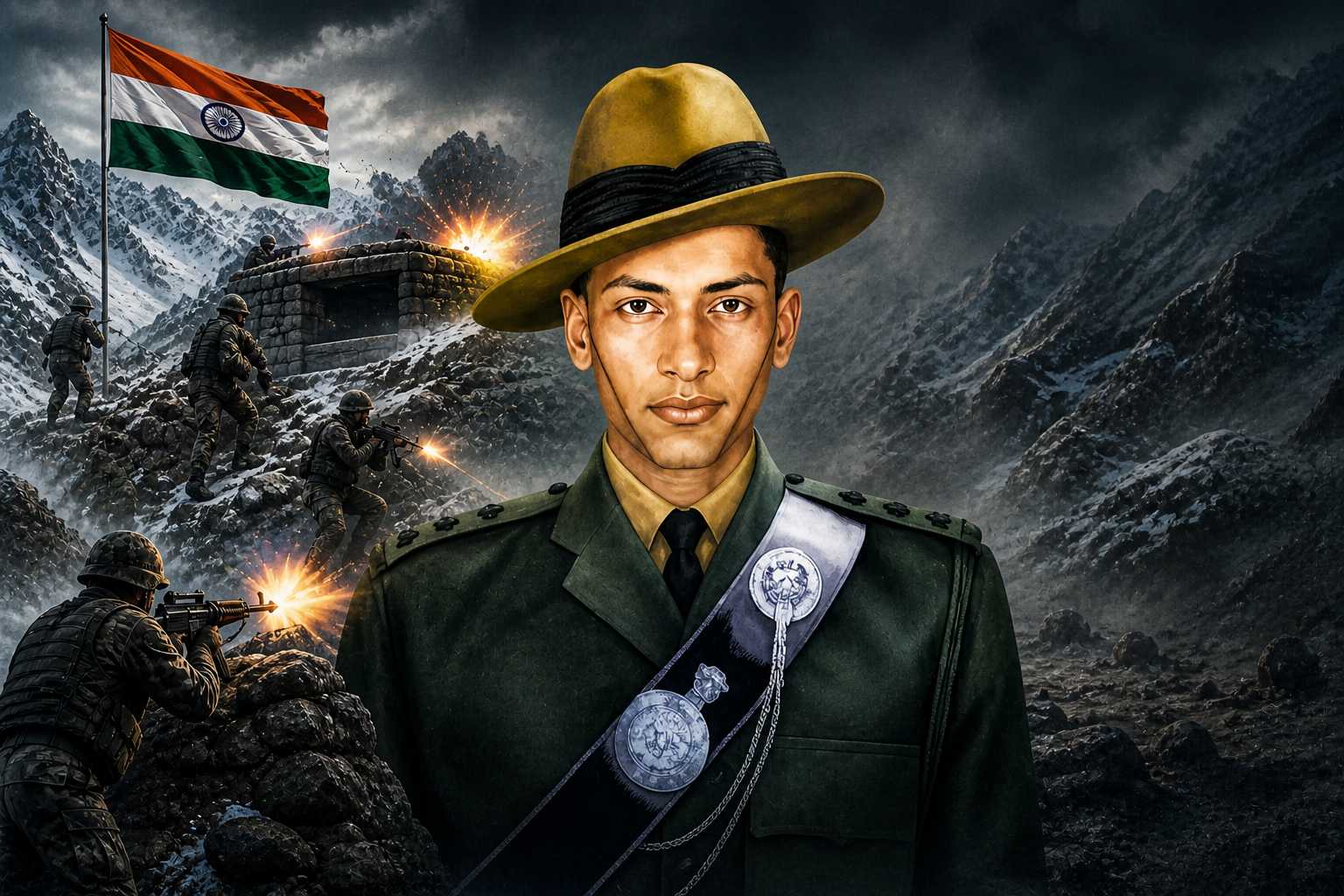
Dr. Syama Prasad Mukherjee | This image is AI-generated
The 1940s were one of the most turbulent periods in Indian history. The Second World War was underway, the British administration was making every possible effort to retain its grip over India, and on the other hand, the Indian freedom movement had reached a decisive turning point. During this period, Bengal became the epicentre of communal tensions, political conflict, and a struggle for power.
The Dhaka riots of 1941 not only engulfed the city of Dhaka but also spread across rural areas, particularly in the police station jurisdictions of Raipur, Shivpur, and Narsingdi, where violence had become widespread. In addition, anti-Hindu massacres also took place in Noakhali and Narayanganj (all now in Bangladesh).
In these riots, Hindus were systematically targeted. At that time, means of communication were limited, and the press was subject to several restrictions. In such an atmosphere, most political leaders preferred to maintain a safe distance. However, one man chose to take the risk and travel directly to the affected areas—Dr. Syama Prasad Mookerjee.
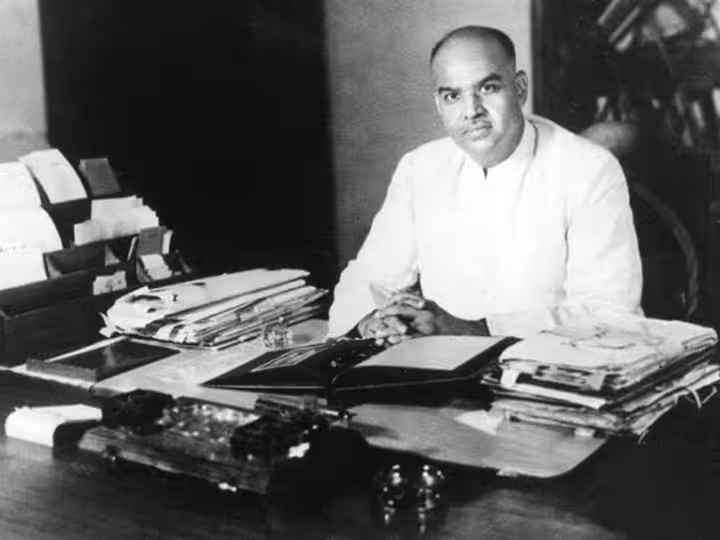
At the time, Dr. Mookerjee was not merely a political leader but one of the most influential public figures in Bengal. He had served as the youngest Vice-Chancellor of the University of Calcutta and was regarded as a rapidly rising force in Bengal's politics. As reports of violence began pouring in from East Bengal, he decided to assess the situation firsthand and resolved to travel to Dhaka.
The British government openly opposed his visit. He even requested a seat on the regular flight to Dhaka, but the aircraft departed without him. However, Dr. Mookerjee was not one to lose heart. Taking a considerable risk, he travelled to Dhaka aboard a small monoplane.
After reaching Dhaka, he met several influential local personalities and appealed to them to cooperate in stopping the violence. As part of these efforts, he visited the palace of the Nawab of Dhaka and persuaded the Nawab to join him in working towards ending the massacres.
During his stay in Dhaka, Dr. Mookerjee spent the next four to five days at the residence of the renowned nationalist historian R. C. Majumdar, who was then serving as the Vice-Chancellor of the University of Dhaka. During this period, Dr. Mookerjee visited riot-affected areas, met the affected Hindu families, and sought to restore their confidence. He made every possible effort to establish peace at the local level and assist the victims.
However, Dr. Syama Prasad Mookerjee's objective was not limited to providing relief and consolation to the victims of the riots. He also wanted the entire country to know the truth about the violence taking place in Dhaka and East Bengal and the plight of the Hindus who were being targeted there. At that time, owing to British control and wartime restrictions, press freedom was severely curtailed. Many significant reports never reached the public or were deliberately suppressed. Dr. Mookerjee understood that unless these incidents were brought to national attention, the voices of the affected Hindus would remain unheard.
With this objective in mind, he decided to raise the issue in the Bengal Legislative Assembly. However, doing so required broad political support. Demonstrating his foresight and political acumen, he approached Mahatma Gandhi, informed him about the gravity of the situation, and sought his support. Gandhi, in turn, urged the President of the Congress Party to ensure that Congress legislators in Bengal supported Dr. Mookerjee's resolution. As a result, the issue was effectively raised in the Assembly. The debate in the House transformed the events in Dhaka from a local issue into a matter of national concern. Consequently, people across the country became aware of the events unfolding in East Bengal and the actual condition of the victims there.
Today, whenever the name of Dr. Syama Prasad Mookerjee is mentioned, he is often remembered as the founder of the Bharatiya Jana Sangh and one of the foremost political figures of independent India. However, his struggle during the 1940s tells a different story. His visit to Dhaka was not merely a political event. It symbolised an era when some leaders did not confine themselves to delivering speeches but displayed the courage to enter conflict-ridden regions and confront the crisis firsthand. For this reason, this episode continues to be regarded as one of the most remarkable chapters of Dr. Syama Prasad Mookerjee's public life.