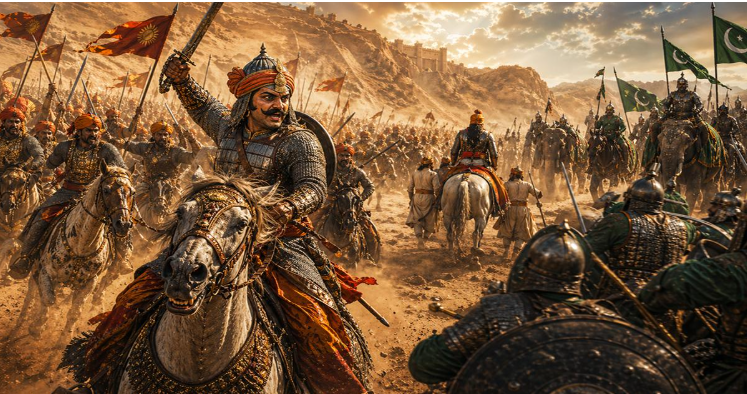
How the Rabari Community Saved the Shiva-Lingam From Alauddin Khalji?
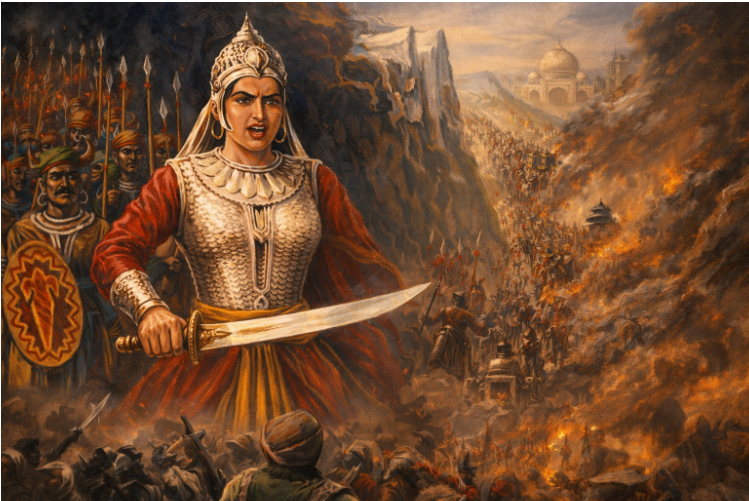
At the right moment, the Rabari warriors descended upon the baggage convoy where the sacred relics were kept. In the midst of confusion, they successfully seized the Shiva-lingam and retreated safely into the hills.

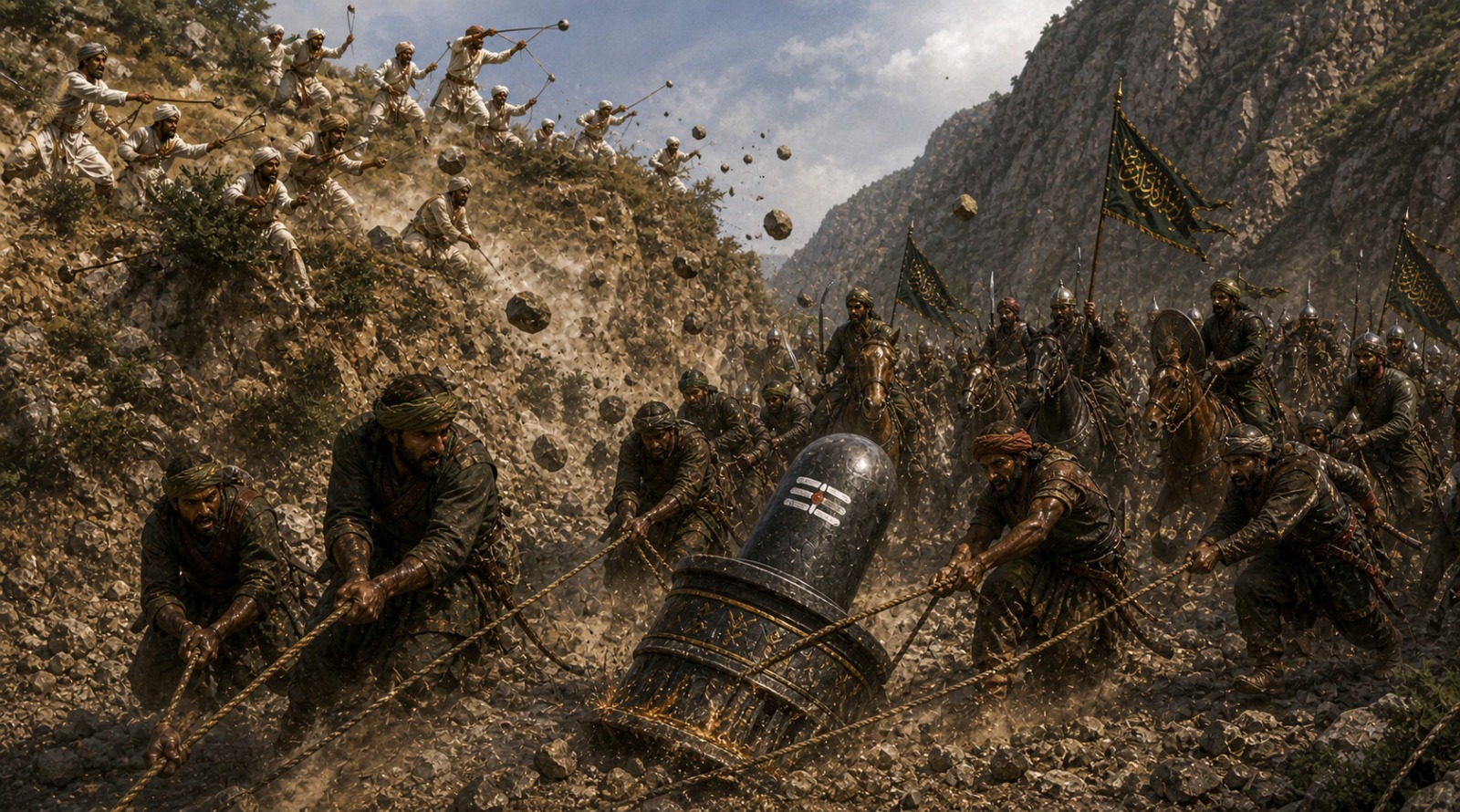
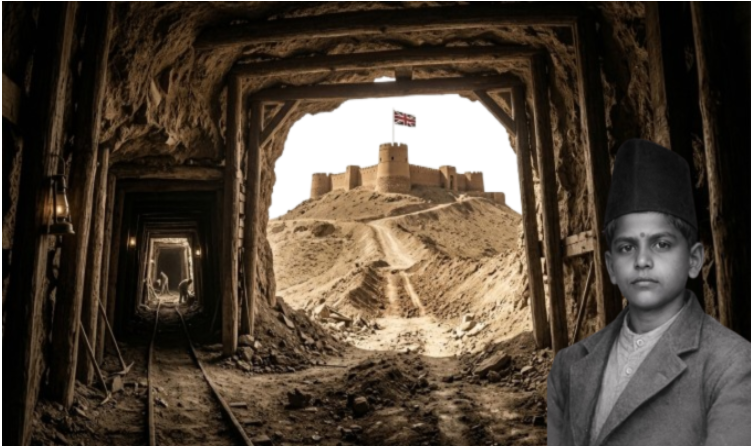
The Rabri community saving the Shiva-lingam | This image is AI-generated
The Rabari community, known for their pastoral and nomadic lifestyle, traces their origins to divine folklore, where they are believed to have been created to serve and protect Lord Shiva’s herds. Over centuries, they became known not only for their resilience and mobility but also for their deep-rooted sense of identity and freedom. In 1298 CE, when Alauddin Khalji advanced toward Siddhpur, located in the Patan district of northern Gujarat, his campaign reached the grand temple of Rudra Mahalaya. A magnificent 12th-century marvel known for its architectural scale, with its 1,600 pillars, grand gateways, and shrines dedicated to Lord Shiva, the temple stood as a symbol of devotion carved in stone. However, following Khalji’s invasion, the sacred Shiva-lingam representing faith and continuity was seized, with the intention of carrying it to Delhi to symbolize the Sultan's victory. Not only this, the Sultan's soldiers treated the idol with great disrespect, dragging it toward Delhi.
But this act did not go unanswered. The Rabari community, primarily pastoralists, rose beyond their traditional role and transformed into a determined warrior force. Standing alongside the Maharaja of Sirohi, Vijayraj Chauhan, who, upon hearing of the desecration, mobilised his forces driven not by power, but by devotion.
As Khalji’s army began its return journey toward Delhi, carrying the looted wealth and the sacred lingam from Siddhpur, it had to pass through the narrow valleys of the Aravalli Range near Sirohi. This terrain, difficult for the army, was deeply familiar to the Rabaris, who used this advantage to execute a well-planned mountain ambush.
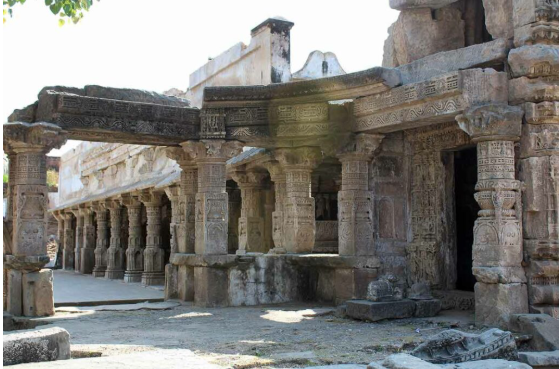
The remains of the Rudra Mahalaya temple in Siddhpur, which was destroyed by the armies of the Sultan of Delhi | Image Source: Magik India
While the Rajput forces engaged the army from the front, the Rabaris climbed the heights of the Siranwa Hills. From above, they launched a sudden attack using their traditional gophans (slings), hurling stones down with force. The narrow mountain paths quickly turned into chaos, with soldiers, horses, and elephants struggling to move or maintain formation.
At the right moment, the Rabari warriors descended upon the baggage convoy where the sacred relics were kept. In the midst of confusion, they successfully seized the Shiva-lingam and retreated safely into the hills. This was not just an act of bravery, but a well-planned and precise recovery driven by faith and courage.
In recognition of their bravery, the King of Sirohi offered them land as a jagir, even the opportunity to establish their own dominion. Yet, true to their identity, the Rabaris refused, famously stating that they were "free children of the hills" and preferred their nomadic life over settled land ownership. They chose freedom over territory, movement over settlement, and a way of life over power.

Rabari Raika men in the Sirohi region | Image Source: Magik India
The reclaimed lingam was later established at Saneshwar Mahadev Temple, where it continues to stand as a symbol of resilience and belief. This defining choice of the Rabaris was not shaped in that moment alone; it was rooted in their origin, their identity, and their unwavering commitment to freedom. Even in victory, they chose not a kingdom—but a way of life.