Partition, J&K, & Nehru-Liaquat Pact: How These Situations Forced Syama Prasad Mukherjee to Resign From Nehru’s Cabinet
Mukherjee’s induction into the cabinet was only on the surface level; ideological differences between the two leaders were a matter of deep concern, which forced his resignation in 1950.

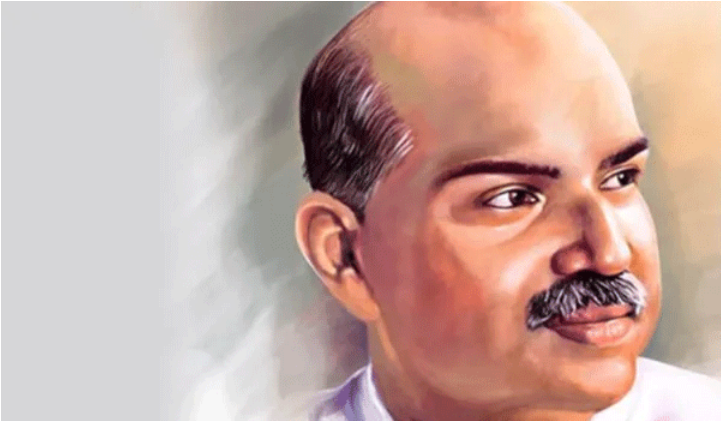
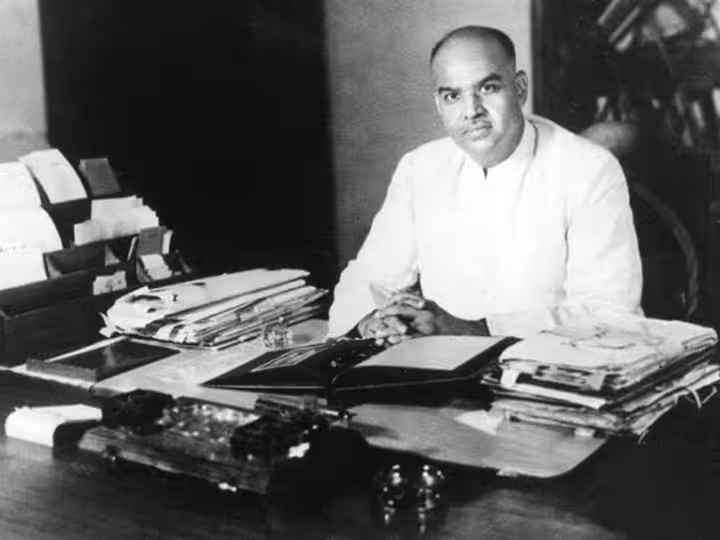
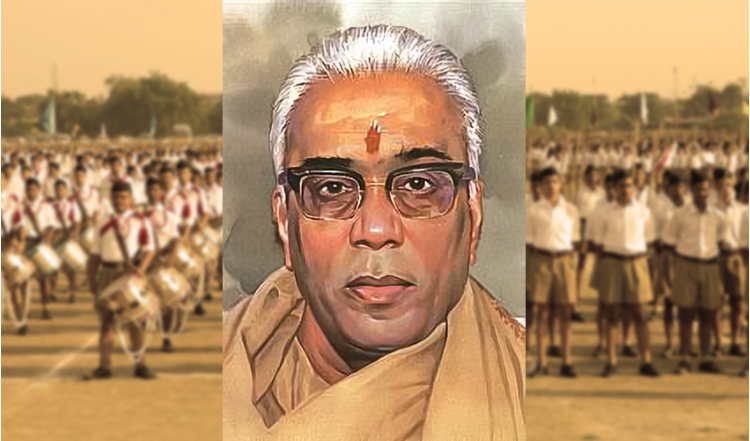
Syama Prasad Mookherjee | Image Source: VKS Telangana
When India gained independence in August 1947, Prime Minister Jawaharlal Nehru formed the first government. In it, there was a rare face: Syama Prasad Mukherjee, a prominent nationalist leader associated with the Hindu Mahasabha, who was inducted into the cabinet as the Minister for Industry and Supply. However, Mukherjee’s induction into the cabinet was only on the surface level; ideological differences between the two leaders were a matter of deep concern, which forced his resignation in 1950. So today, as we remember Syama Prasad Mukherjee, we delve into how ideological differences led to Mukherjee’s resignation from Nehru’s cabinet and the birth of the Jana Sangh.
The First Point of Contention: The Partition of India in 1947
Immediately after the Partition of India in 1947, the Indian subcontinent witnessed widespread violence, especially affecting minorities in both India and Pakistan. People were widely displaced, children were abducted, women were sexually assaulted, and families were separated. Hindus were widely massacred in Pakistan and East Pakistan (present-day Bangladesh), becoming an issue of deep concern for Mukherjee. Seeing the massive genocide against Hindus, Mukherjee advocated for a strong, reciprocal policy toward Pakistan and pushed the then-PM to exert pressure to ensure the safety of Hindu minorities. However, Nehru’s approach was starkly different. He preferred diplomatic engagement. So this marked the first major ideological divergence where Mukherjee prioritized national security and civilizational protection, while Nehru emphasized international diplomacy.
The Second Point of Contention: Jammu and Kashmir
In the same year of 1947, when the independent princely states were to join India following the independence, Jammu and Kashmir was granted special provisions, later formalized under Article 370. While Nehru gave a special status to Kashmir through Article 370 and viewed it as separate from the rest of India, Mukherjee considered it a fatal blow to the nation's integrity. His slogan, "Ek Desh Mein Do Vidhan, Do Nishan, Do Pradhan Nahi Chalenge" (Two constitutions, two flags, and two prime ministers will not be tolerated in one country), shook the seat of power in Delhi at that time.
The Breaking Point: Nehru-Liaquat Pact
The final rapture came in April 1950 with the signing of the Nehru-Liaquat Pact between India and Pakistan. Mukherjee opposed the pact as it failed to hold Pakistan accountable for the mass murder of Hindus in the name of Partition. He criticized the PM for signing the pact as it failed to stop the persecution of Hindus in East Pakistan, and did not ensure the safe return of refugees. Thus, owing to this, there was no guarantee that relentless attacks against Hindus would stop.
However, Nehru paid no heed to Mukherjee’s criticism, and instead, he positioned the pact as essential for peace and stability, and a diplomatic move “necessary for avoiding bloodshed. This, Mukherjee saw as “appeasement”, and did not agree with the Prime Minister’s point of view.
The Resignation and the Aftermath
The Nehru-Liaquat pact was the breaking point. Unable to reconcile these differences, Mukherjee decided to step down from Nehru’s cabinet on April 6, 1950. In his resignation, Mukherjee made it clear that he could not remain part of a government whose policies compromised India’s sovereignty and security. Mukherjee’s resignation laid the foundation for an alternative political ideology—the Bharatiya Jana Sangh in 1951.