How Veer Hamirji Gohil Protected the Somnath Against Cruel Rise of the Gujarat Sultanate
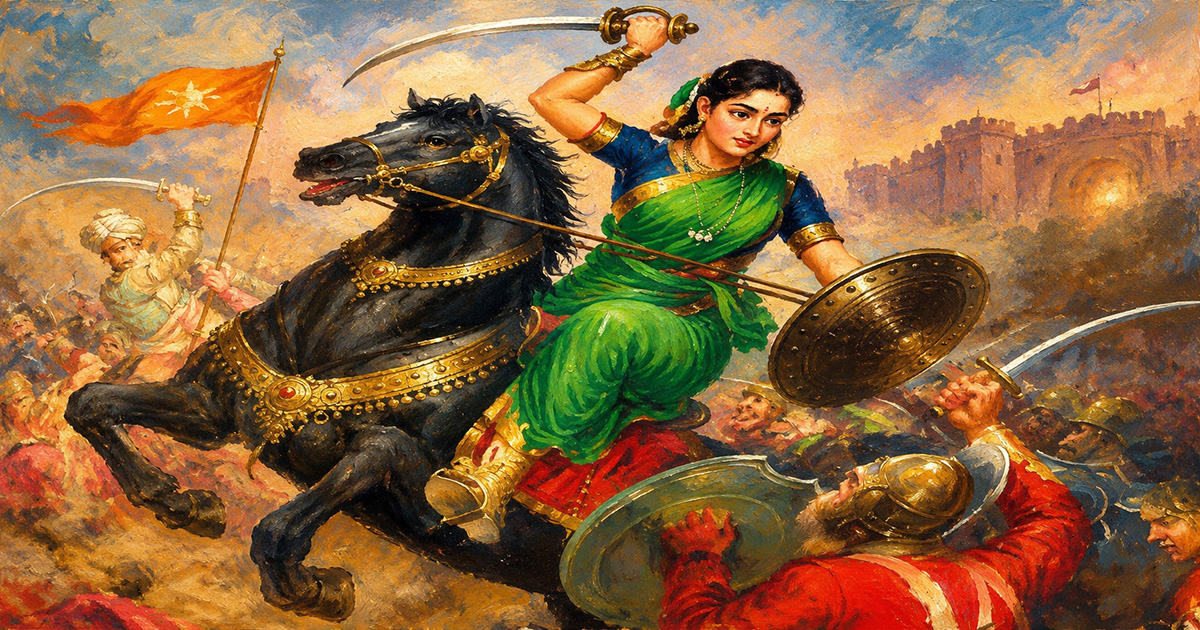
The Sultanate’s forces were marching toward Somnath. In that moment, a boy became a warrior, without hesitation, Hamirji declared: “Whether anyone comes or not, I will go to protect Somnath.”

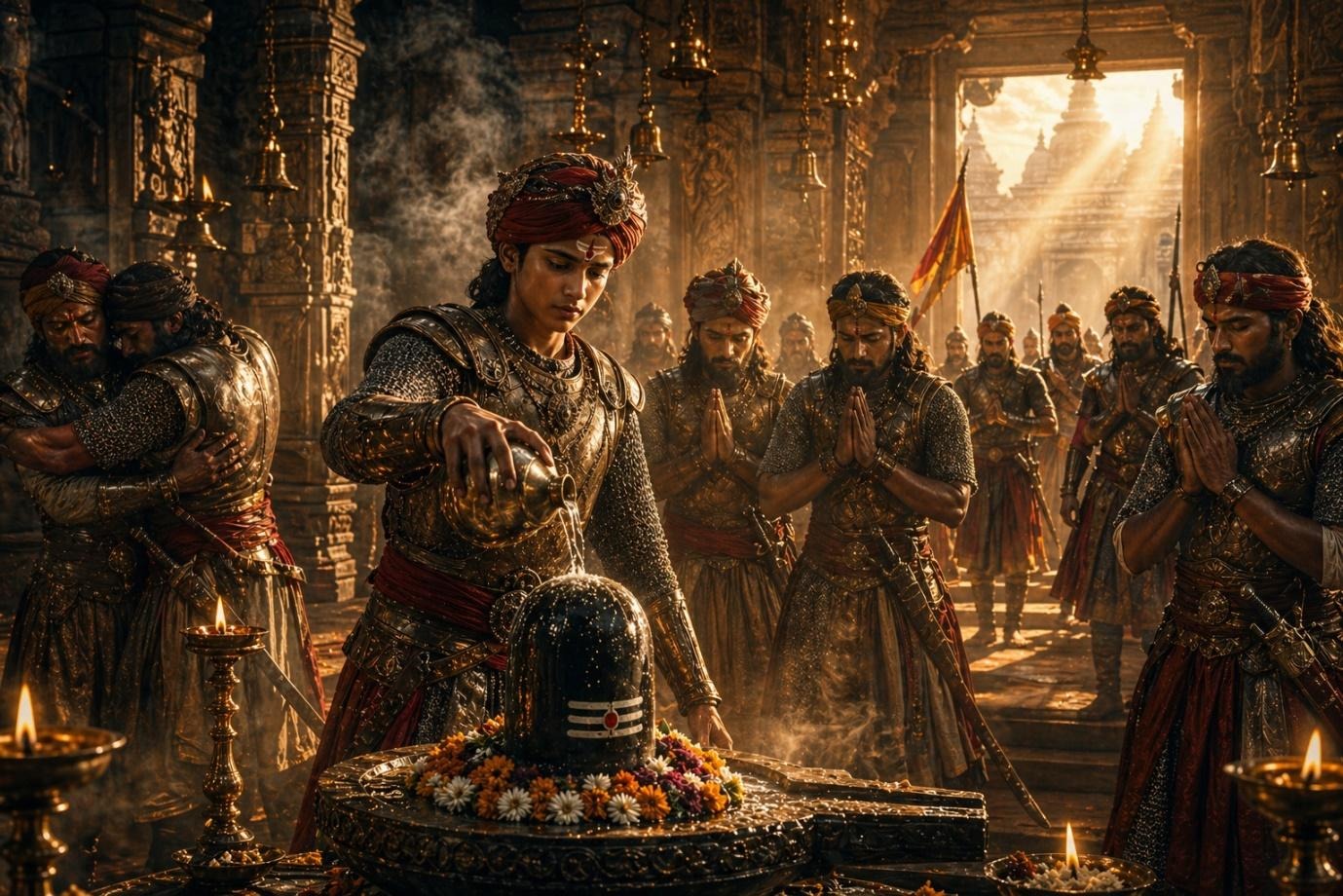
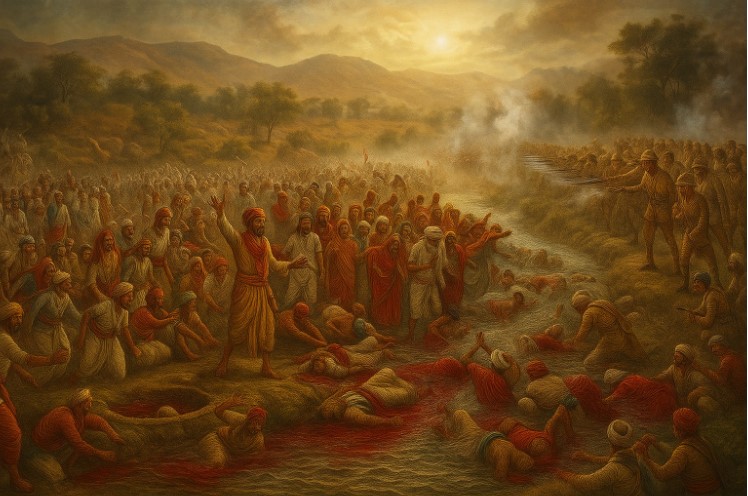
This image is AI-generated
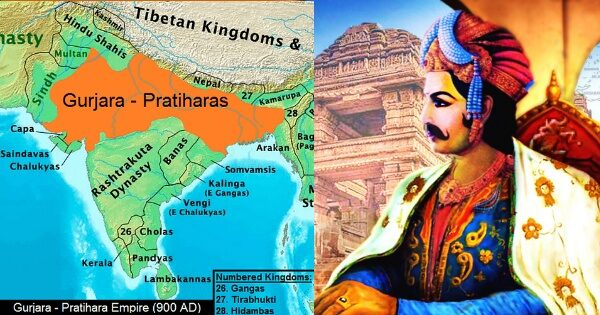
Gujarat, once rich in trade, fertile land, and skilled artisans, attracted both prosperity and conflict. From this backdrop rose Zafar Khan Muzaffar Shah I, son of a converted Rajput linked to Delhi’s elite. Appointed governor in 1391, he capitalised on Delhi’s decline. In 1407, he declared independence, founding the Gujarat Sultanate through violent campaigns. Yet resistance endured—in Saurashtra, near Somnath, a 16-year-old, Veer Hamirji Gohil, chose to stand against him.
In 1398 A.D, the youngest son of King Bhimji Gohil of Arthila, Hamirji, had just returned home. He was young, surrounded by family and comfort, unaware that history was about to call his name.
One ordinary moment changed everything. Hungry, he rushed into the kitchen, where his sister-in-law casually remarked,“Why are you in such haste? Do you want to rescue Somnath?”
The words struck him as confused, he asked, “Why do you say that? Is Somnath in danger?” And then he heard the truth: The Sultanate’s forces were marching toward Somnath. In that moment, a boy became a warrior, without hesitation, Hamirji declared: “Whether anyone comes or not, I will go to protect Somnath.”
Hamirji gathered a small band of Rajput warriors and marched toward Somnath. Along the way, he was joined by Vegadji, the King of Bhil, whose forces camped outside the sacred shrine. Together, they prepared to defend not just a temple, but a symbol.
They knew what they were facing. Zafar Khan’s forces were vast, organized, and relentless, but courage does not measure strength in numbers. As evening prayers echoed through Somnath, Hamirji prepared his defense. With limited resources, they used flaming arrows, stone balls, boiling oil, and sheer determination. Meanwhile, Zafar Khan’s army surrounded Somnath completely.
The next morning, the nine-day battle began. Hamirji and his warriors charged forward on horseback, striking with lances, disrupting the advancing forces. The sudden resistance shook the invaders. For a moment, power was forced to pause. But the siege tightened. Zafar Khan attempted to breach the defenses by digging trenches. Hamirji countered with ingenuity, filling them with water, delaying the advance.
Veer Hamirji Gohil, the Heroic Defender of Somnath's Legacy | Image Source: Back Stories 
The battle continued for nine relentless days. By the ninth day, exhaustion had replaced strength. Only a handful of Hamirji’s warriors remained. The battlefield was no longer a place of strategy; it had become a place of sacrifice. Injured soldiers lay around them, many having lost limbs, yet still holding onto life with unimaginable pain. Only 250 warriors remained. But even then, they did not surrender.
With heavy hearts and unbroken spirits, Hamirji and his men prepared for their final stand. Inside the temple, they performed their last prayers, cleansed the Shivling with water, embraced one another, and stepped out—not as soldiers expecting victory, but as warriors ready to give everything. As the sun began to set, the final battle unfolded.
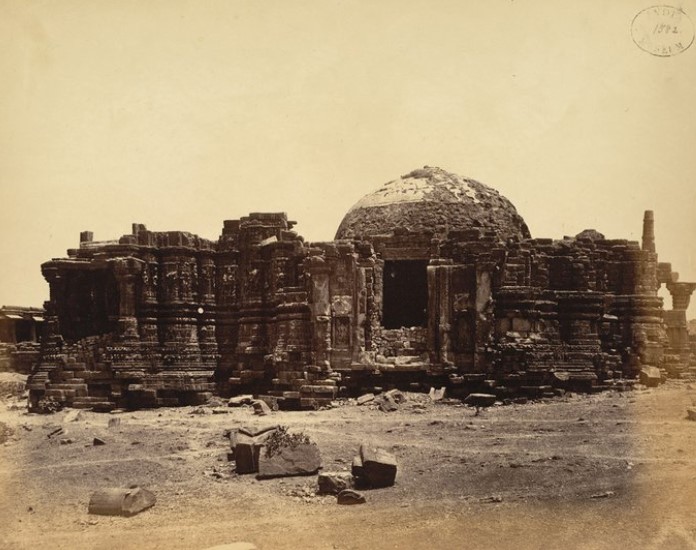
One by one, they fell. Yet they fought, and they continued to fight. Until only Hamirji and a few remained standing against an unstoppable force, refusing to bow, fighting until their last breath. In the end, they were overwhelmed. Zafar Khan’s forces captured the land and desecrated the temple. Power had won the ground, but it had not conquered courage.
The rise of the Gujarat Sultanate was built on power seized in a moment of weakness and expanded through force. Yet, alongside this rise stands another story—one not of conquest, but of courage.
Veer Hamirji Gohil, with no throne and no vast army, chose to stand for something greater than power itself. His sacrifice at such a young age, defending the revered Somnath Temple against overwhelming odds, immortalized him as a hero.
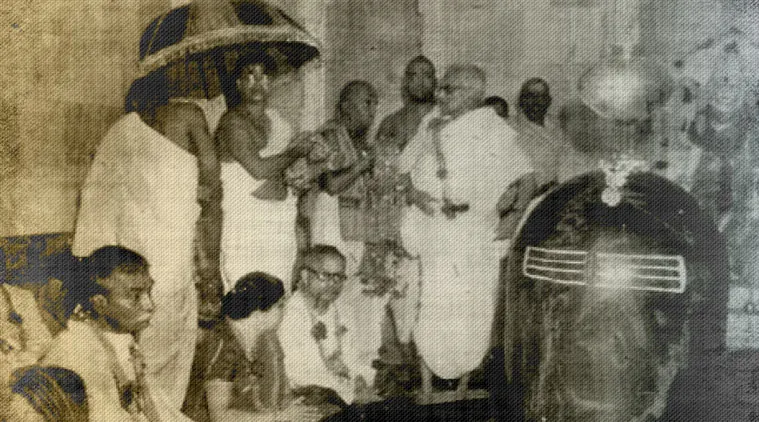
Even today, his legacy lives on. His descendants honour him as their Surapura, placing the flag of Somnath Mahadev at his cenotaph before installing it above the temple—a lasting symbol of respect for a warrior who chose courage over life.
Because while power may rise and fall, courage is remembered forever.
.jpg)