How an Unknown Hindu Youth Avenged the Destruction of the Somnath Temple from Mahmud of Ghazni?

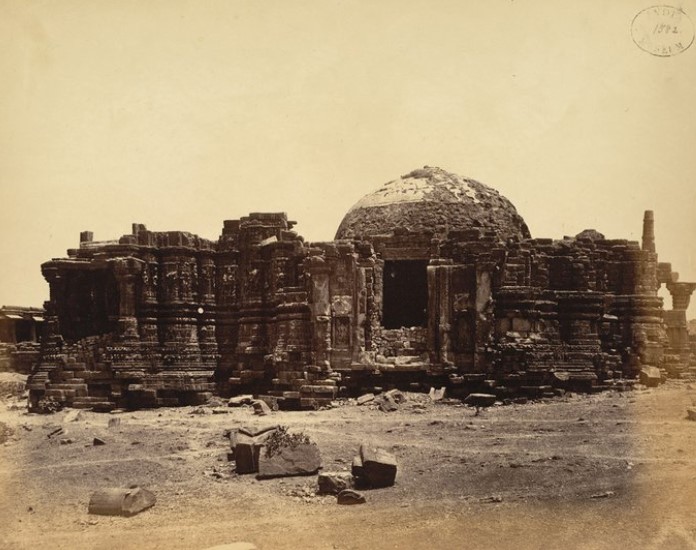
Buried in the sands of Gujarat lies a forgotten story. That of the unknown Hindu who forced a tyrant like Mahmud of Ghazni to regret until his dying breath. Everyone has heard the tale of the Somnath Temple’s destruction, but few know the name of that Hindu hero who avenged Lord Somnath’s desecration with his very life. This is no mere story; it’s that living moment when faith took the form of vengeance and struck back.

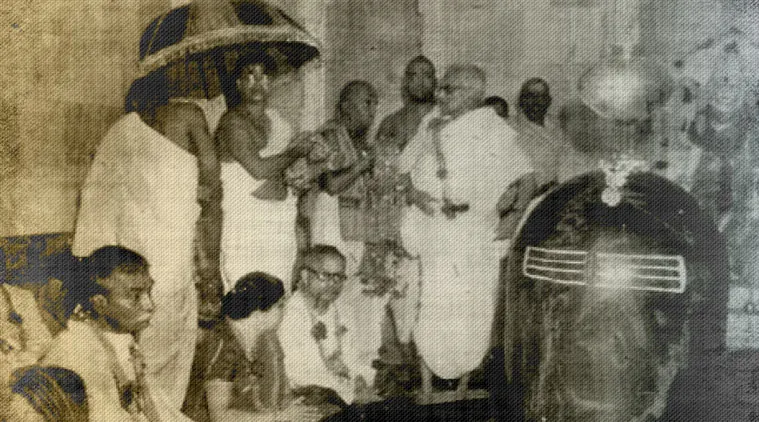
The destruction of the Somnath Temple | Image Source: Hindupost
This tale unfolds in 1025 CE, when Mahmud of Ghazni invaded Gujarat with his ruthless army. He didn’t just plunder the temple’s immense treasures; he desecrated the sacred Jyotirlinga itself. This event will forever stand as one of the most agonizing chapters in Indian civilization.
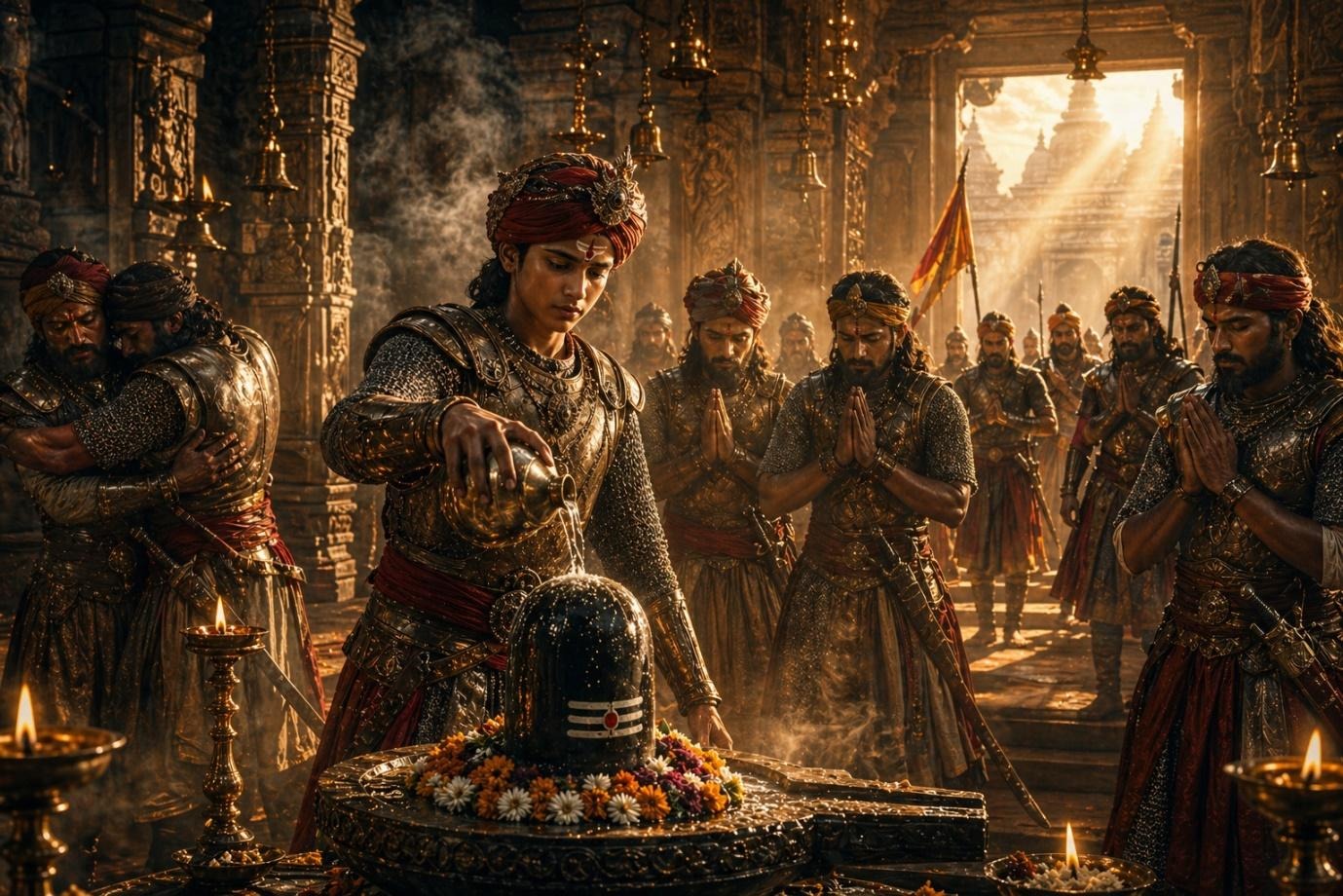
After the destruction, Ghazni loaded gold and silver worth millions of dinars, along with diamond-encrusted jewels, onto horses, camels, and elephants as he departed Gujarat. His aim was to reach Sindh swiftly, which meant traversing the scorching, deadly path through the Rann of Kutch. This route offered nothing but blistering sand, no drop of water, no shred of shade. In these dire straits, a local Hindu youth stepped forward, offering himself as a guide to Ghazni. Ghazni dismissed it as a mere coincidence, assuming the young man was driven by greed for riches or sheer terror. But for that youth, this was no ordinary journey. It was his holy war, the moment to answer the insult to his faith. The demolition of Somnath had ignited a flame of retribution within him. He knew the desert sands, patience, and time could be his weapons. This was no mere guidance; it was his silent rebellion.
Ghazni’s army wandered day and night in the blistering desert under the youth’s lead. The sun spewed fire overhead, while the sand below burned like live coals. Horses stumbled, camels collapsed, and soldiers lay exhausted, ravaged by thirst and fatigue. Not a drop of water for days. As conditions became unbearable, Mahmud of Ghazni summoned the Hindu youth and demanded to know why water had not appeared. The youth bowed his head calmly. There was no fear on his face, only a faint smile on his lips, as if he had grasped some profound truth, as if a grand dream was on the verge of fulfillment. He stayed silent for moments, but in that silence lay the completeness of his vengeance.
The youth replied, “My life was already offered to Lord Somnath long ago, I care not whether I live or die. But you looted his temple, smashed his idols, and wounded our faith. Now, the punishment for this grave sin will come right here in these sands.” He continued, “I have deliberately led you and your army into the heart of this vast desert so you all perish writhing in thirst and heat.” Hearing these words, Mahmud of Ghazni trembled; the ground slipped from under his feet. Sensing danger to his life, he flew into a rage, drew his sword in a flash, and severed the Hindu hero’s head from his body. The hero’s life ended, but it was too late. Countless soldiers in Ghazni’s army began dropping one by one, tormented by the desert’s ferocious heat and insatiable thirst.
History may not have recorded that brave Hindu youth’s name, but his sacrifice is more immortal than history itself. By offering his life in the yajna of dharma’s defense, he became an eternal symbol. With nothing but unyielding courage, patience, and resolve, he crushed the arrogance of a mighty invader into the dust of the desert. He had no army, no weapons, yet his faith became his sword. He proved that safeguarding dharma comes not just from swords and armies, but from invincible faith, courage, and unbreakable inner strength. The pages of history couldn’t contain his name, but his devotion and sacrifice to Somnath will endure through the ages. The incident is mentioned in the Persian historian Minhaj-i-Siraj Juzjani’s book ‘Tabaqat-i Nasiri’.
.png)

.jpg)