Motilal Nehru: The Westernised Rebel Who Chose Khadi

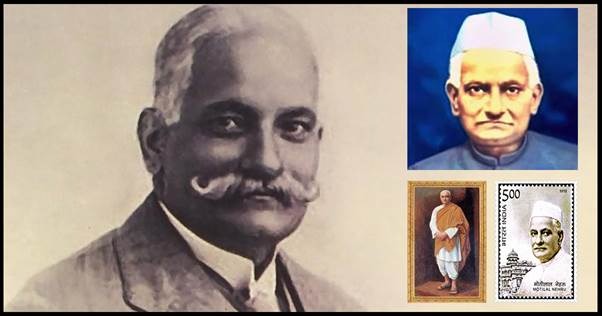
Motilal Nehru once lived a life of wealth, Western suits, and aristocratic comfort. Then the voices of Jallianwala Bagh reached him, and luxury slowly gave way to sacrifice.
Born in 1861, Motilal Nehru did not begin life surrounded by privilege. His father died when he was still young, and the family faced financial uncertainty. Through determination and hard work, Motilal studied law and gradually built his reputation in the courts of Allahabad.
His success did not come easily. Years of relentless effort transformed him into one of the most respected lawyers of northern India. In the courtrooms of the Allahabad High Court, his arguments carried authority and respect, and his growing reputation soon brought him wealth and recognition.
With success came a life of elegance. His wardrobe was filled with fine European suits, his lifestyle reflected the refinement of the Western world, and people often remarked that even his laundry was sent to Paris. In Allahabad society, he became known as a man of taste and sophistication. Soon, he built a grand residence in Allahabad known as Anand Bhawan, a house that reflected the confidence and prosperity of India’s colonial elite.
Motilal Nehru dressed in fine European suits | Image Source: Nehru Archive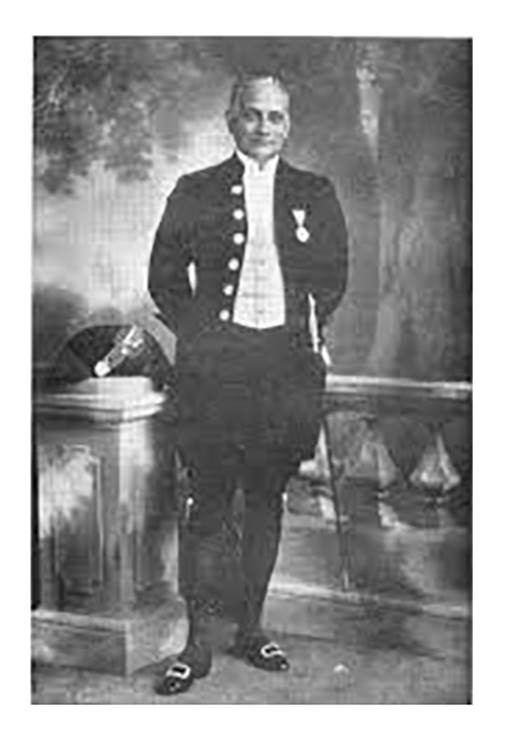
During these years, Motilal Nehru believed that India’s political future could be achieved through constitutional reforms. He became active in the Indian National Congress, where many leaders still hoped that cooperation with the British government might gradually lead to self-government. Politics interested him deeply, but his life still remained surrounded by privilege and Western elegance.
Everything began to change after the First World War. In 1919 the British government passed the Rowlatt Act, which allowed the colonial authorities to arrest and imprison Indians without trial. Across the country, protests erupted against this law. The tension soon reached a tragic climax in Amritsar.
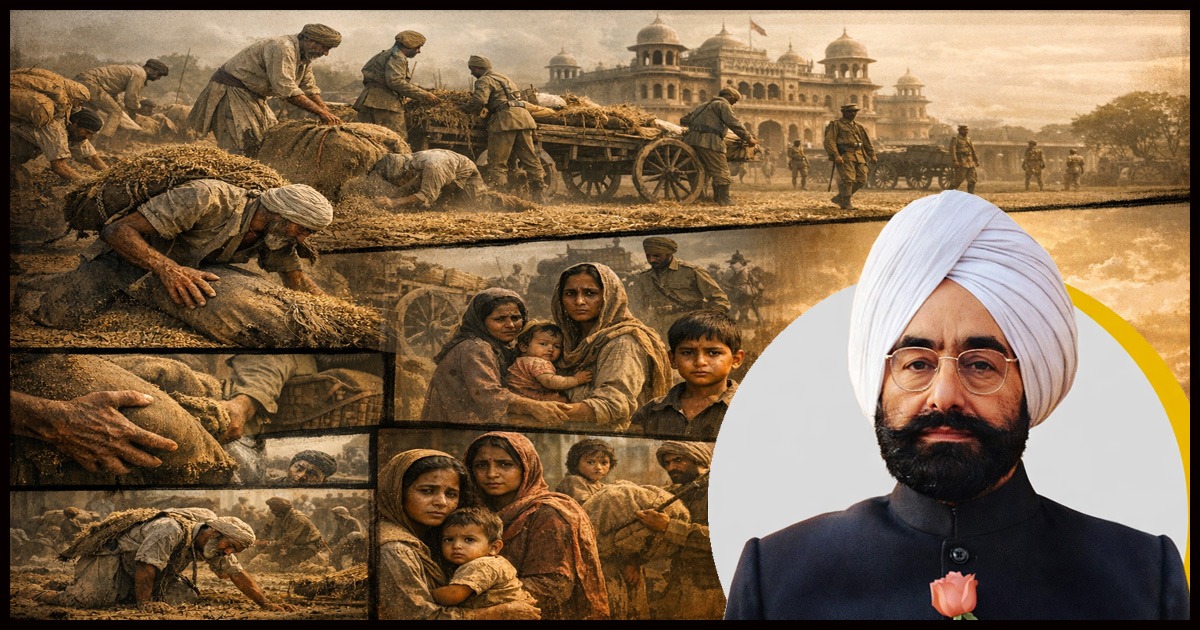
On April 13, 1919, soldiers opened fire on an unarmed gathering in the enclosed garden of Jallianwala Bagh Massacre. When investigations into the Punjab atrocities began, Motilal Nehru found himself examining the testimonies of those who had survived. The accounts were devastating.
Witness after witness described the same terrifying scene: a peaceful gathering trapped inside an enclosed garden, soldiers blocking the exits, and bullets raining down without warning. Some spoke of searching through piles of bodies for their relatives. Others described the silence that followed the gunfire, broken only by cries of the wounded. Reading these testimonies deeply shook Motilal Nehru.
For a man who had spent his life believing in law and justice, these testimonies felt unbearable. The courtroom arguments he had trusted all his life suddenly seemed powerless before such cruelty, and anger replaced disbelief. The idea that the British Empire represented justice began to crumble.
Around the same time, Mahatma Gandhi called upon Indians to withdraw cooperation from colonial institutions through the Non-Cooperation Movement. Foreign goods were to be boycotted, and Indians were urged to embrace self-reliance.
For Motilal Nehru, this moment demanded a personal choice. The elegant foreign suits that had once symbolised his success were gathered together. The fabrics that had travelled from Europe, the clothes that marked him as a man of privilege, all of them were thrown into the bonfires of foreign cloth that spread across India. He began wearing khadi, the simple homespun cloth of the freedom movement.
Motilal Nehru wearing Khadi | Image Source: Telegraph India 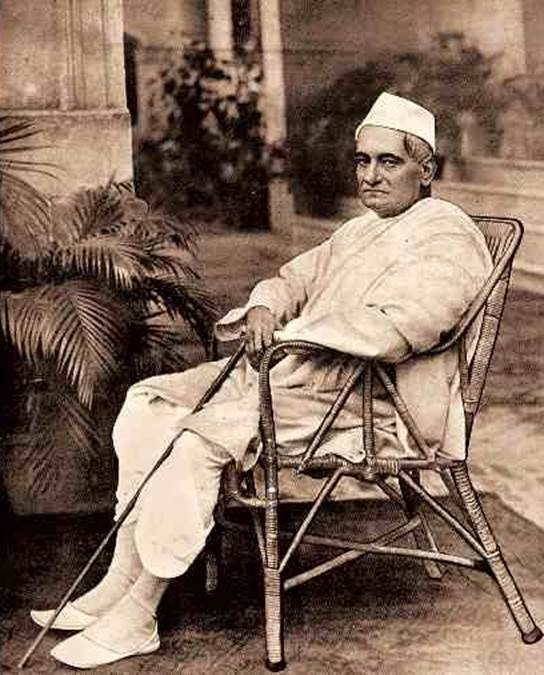
The transformation astonished many who had known him as a symbol of Western sophistication. The grand house of Anand Bhawan soon became a centre of nationalist activity, and the lawyer who once lived in aristocratic comfort now devoted his wealth and influence to the cause of independence.
And so, on the anniversary of his birth, the life of Motilal Nehru reminds us of a powerful truth that sometimes the greatest acts of patriotism begin not with power, but with the courage to change.