When Satyajit Ray Pawned His Policy and Wife's Jewelry: The Real 5-Year Struggle Behind the Film ‘Pather Panchali’

In the 1950s, a quiet young man working in a Calcutta advertising agency had nurtured an impossible dream in his heart. This dream was to make a film, which in that era was like daydreaming. This young man was none other than India's great filmmaker Satyajit Ray, born on May 2, 1921, in Kolkata. He had neither the money nor the experience to make his first film. Yet, a story throbbed in his heart: Pather Panchali. He obtained the rights to the novel from Rama Chattopadhyay, the widowed wife of writer Bibhutibhushan Bandopadhyay. He resolved to bring the sensitive world of this novel to the screen. At that time, Indian cinema was limited to studio-based productions filled with songs and music. Ray wanted to capture the village soil, raindrops, and human emotions on camera and deliver them to audiences. But he probably had no inkling of the struggles ahead or the new milestones he would create in Indian cinema history.

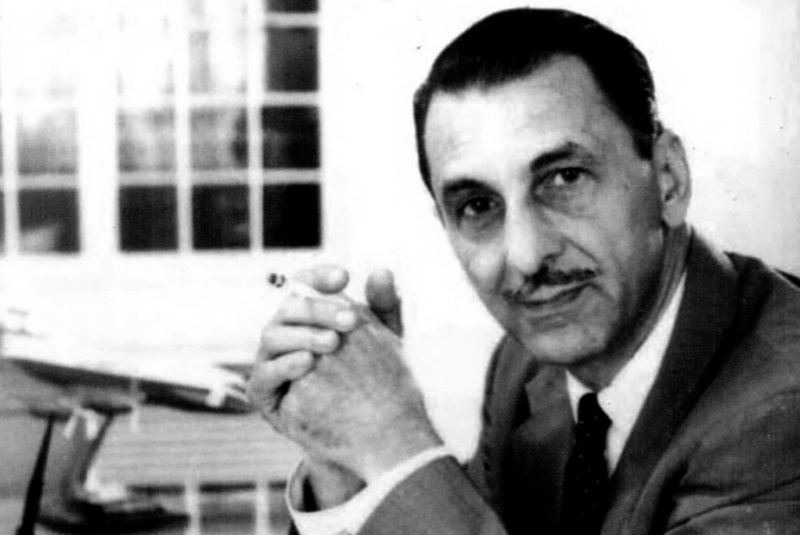
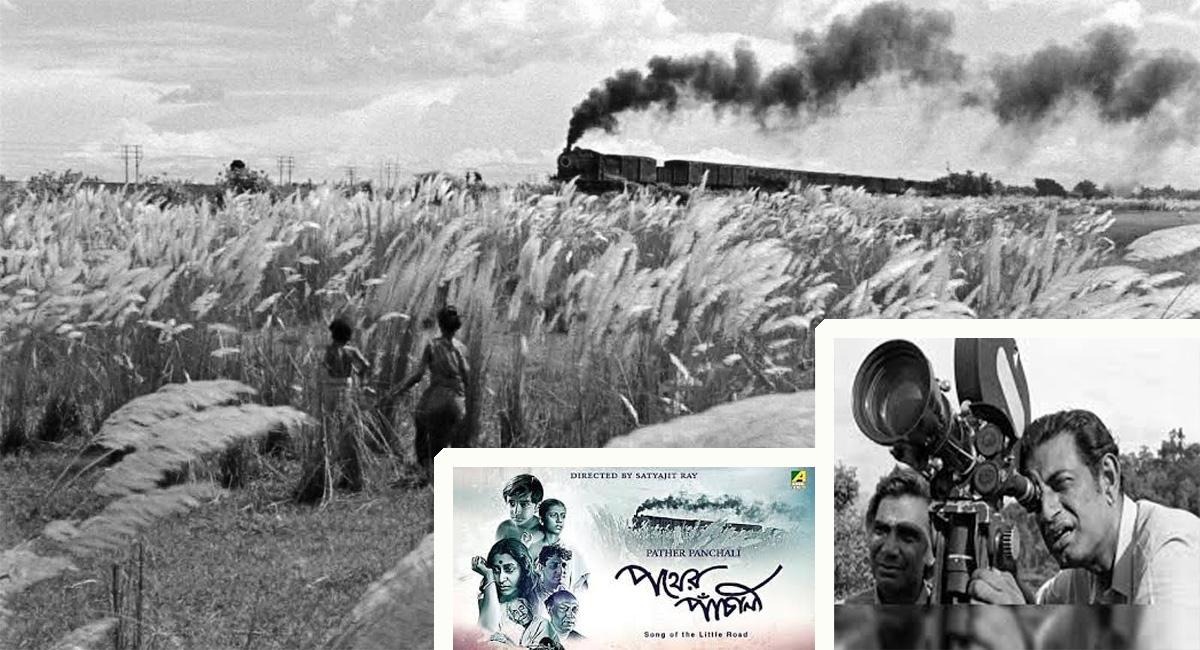
Film Director Satyajit Ray | Image Source: Eastmojo.com
From 1950 to 1952, Ray knocked on producers' doors to make the Bengali-language film Pather Panchali. He sketched scenes in his notebook, wrote dialogues, and explained the story, but everywhere he heard the same response: "This film won't work." Everyone advised him to shoot in a studio, but Ray wanted to shoot in real locations. He even did a test shoot of rain with a 16mm camera to show that effective scenes were possible in natural light and authentic environments. Still, no producer dared to take the risk. Finally, on October 27, 1952, Satyajit Ray pawned his life insurance policy and borrowed money from friends and relatives to shoot the first scene: Apu and Durga watching a train through the kaash flowers. Due to financial troubles, he couldn't quit his job, so shooting took place only on Sundays. A week later, when he returned to the location with his team, the cows had eaten the kaash flowers. He had to wait a full year for the next scenes. This struggle had become a test of his patience.
Pather Panchali, the film by Satyajit Ray 
Most of the film's actors were untrained, including many local villagers. After a year's wait, the location was chosen as Boral village near Calcutta. There were no grand sets or flashy costumes, just Ray's determination to make the film. In 1953, a producer offered some help, but his own film flopped, cutting off the funding. In this crisis, Ray pawned his wife Bijoya's jewelry, but the amount wasn't enough. Shooting had to be halted again. Yet Ray didn't back off from his determination. He edited about 4,000 feet of film reel footage and showed it to potential investors, but they all refused to invest. This was the moment when anyone might have given up, but Ray remained steadfast.
Fate took a new turn. After nearly a year's break, the government decided to provide partial financial support from its treasury. However, it came with strict conditions: Submitting monthly accounts and getting government approvals. With government aid, shooting for Pather Panchali resumed in 1954. Meanwhile, Hollywood director John Huston saw sketches of Ray's film and was deeply impressed by his efforts. Huston's open praise drew international attention to the project.
On August 26, 1955, Pather Panchali was released in Calcutta. The initial two weeks saw an average response, but from the third week, word-of-mouth spread among audiences. Crowds flocked to theaters, and the film became commercially successful. A special screening was held for then-Prime Minister Pandit Nehru, who was profoundly moved by the film. After success in India, its popularity reached America. Released at New York’s 5th Avenue Playhouse, it disproved those who thought Americans wouldn't watch an Indian film. It ran for 36 weeks straight and surpassed the German film ‘The Cabinet of Dr. Caligari’ to set the record for the longest-running film.
Varied characters played in the film, Pather Panchali | Image Source: Wikipedia
After its success, Pather Panchali won the Special Jury Prize for "Best Human Document" at the 1956 Cannes Film Festival. Chunibala Devi received Best Actress honors in Manila. The film won about a dozen awards worldwide and gave Indian cinema a new identity on the global stage. Satyajit Ray's five-year struggle paid off. Despite pawning his policy, his wife's jewelry, incomplete funding, and countless rejections, he never gave up. Pather Panchali wasn't just a film; it proved that with determination, simplicity, and truth, immortal masterpieces can be created even with limited resources. Satyajit Ray, who directed many films in his life, passed away on April 23, 1992, in Kolkata.