India's Legendary Warrior Sardar Hari Singh Nalwa: Afghan Fanatics Wore Salwars Out of His Dread

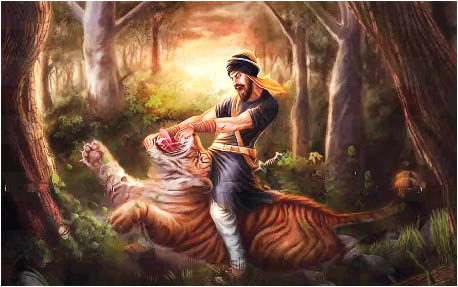
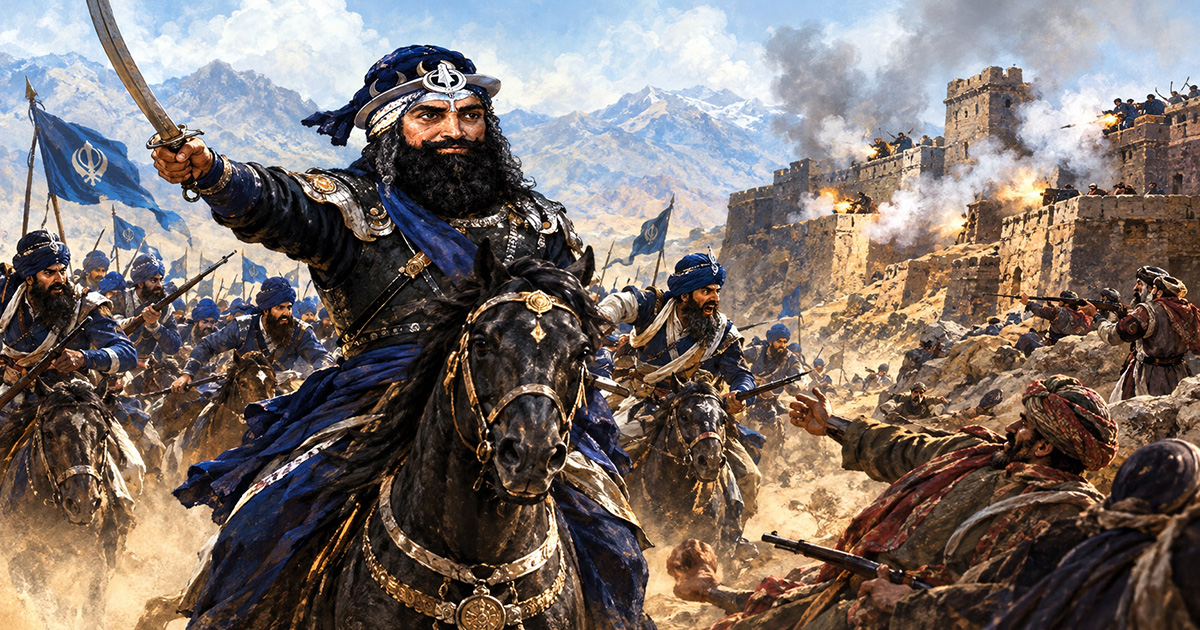
Hari Singh Nalwa | Image Source: Organiser
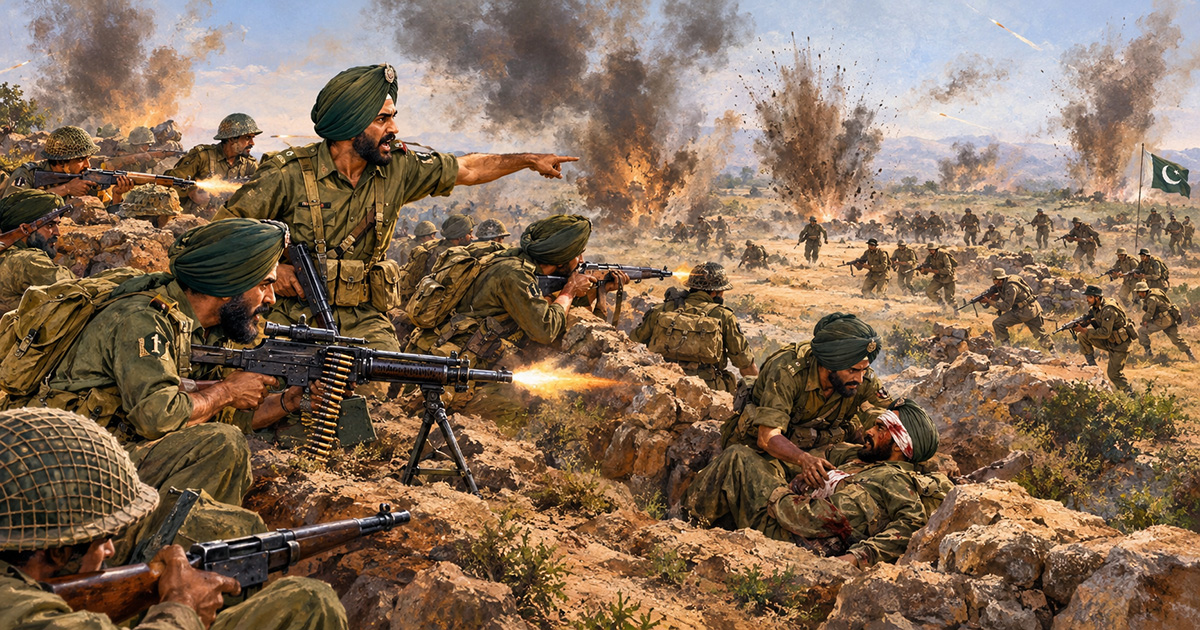
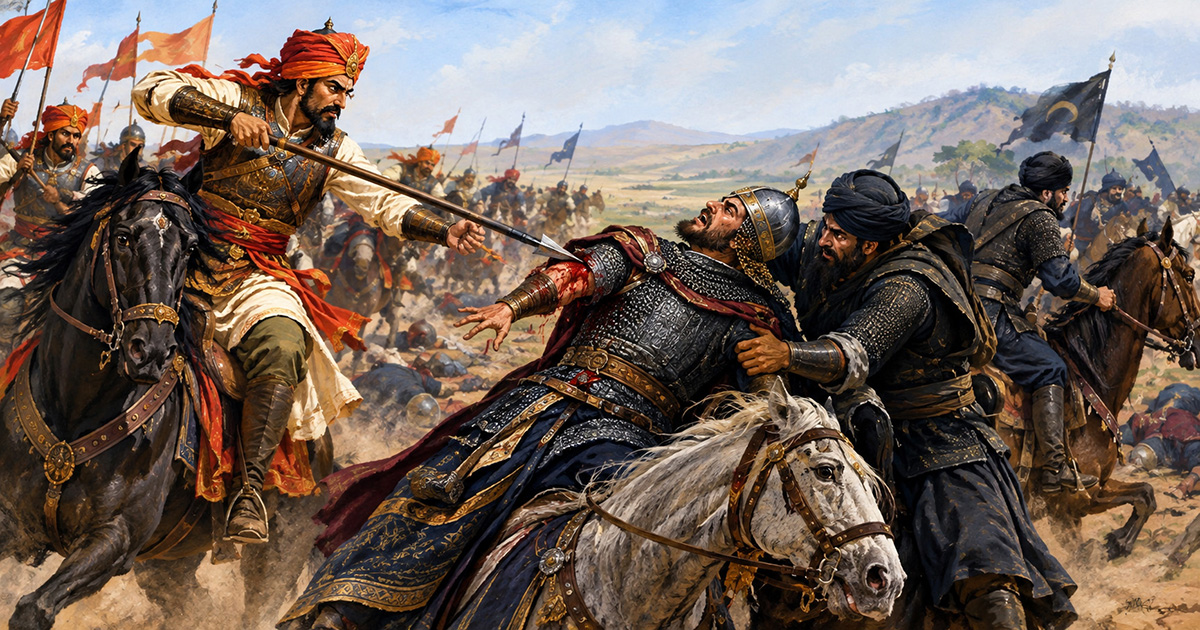
Brutal Islamic invaders like Ahmad Shah Abdali and Mahmud of Ghazni ravaged India from Gandhara (modern Afghanistan), looting and massacring innocent Hindus. Yet this very soil hides a tale of an Indian hero, buried by left-leaning historians: A braveheart whose terror made fanatical Afghan Pashtuns tremble—and don women's salwars in fear.
That warrior was none other than Sardar Hari Singh Nalwa, field marshal under Maharaja Ranjit Singh. Appointed governor of frontier regions, Khyber Pakhtunkhwa and Afghanistan, he instilled such dread that extremists shed their Islamic identity to survive. This wasn't mere conquest; one Indian reshaped his foes' culture itself.
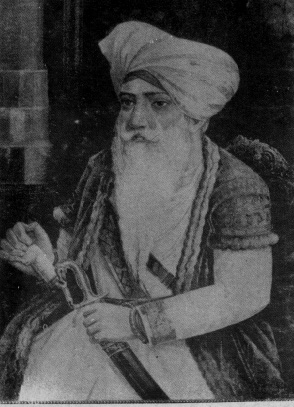
Sardar Hari Singh Nalwa | Image Source: bharatdiscovery.org
In the early 19th century, at the Sikh Empire's zenith, the northwest frontier was chaos's epicenter—a gateway for Islamic raids, forced conversions, and violence. Nalwa transformed it, extending the empire to Peshawar, Kandahar, Multan, Herat, Kalat, Baluchistan, and Persia through valor. Beyond control, he etched psychological fear: Fanatics begged mercy disguised as women in salwar, rather than fight.
Sikh tenets from the Gurus forbade harming the unarmed, women, children, or elderly—religious and martial code. As Gandhara's governor, Nalwa warned plundering Pashtuns: To escape Sikh wrath, don women's attire, as Sikhs spare women. In Punjab, the salwar-kameez was worn by women. Terrified, Pashtuns adopted it; Sikhs wouldn't strike salwar-clad foes. This survival garb evolved into their "Pathani suit"—loose salwars and long kurta—now iconic.
Pre-Nalwa, Afghan men wore loose, robe-like Arab-style garments. The notion that Sikh warriors spared "women" prompted the adoption of Punjabi women's salwar-kameez, morphing into "defensive" and religious identity: Today's Pathani suit. Historical evidence abounds. Swat State (Khyber Pakhtunkhwa) ex-ruler Gul Aurangzeb wrote Taliban rulers: Ancestors who wore women's clothes from fear can't now impose hijab—reviving Nalwa's instilled terror as moral critique.
Nalwa ruled by sword and reputation, balancing anarchy. His impact was profound: Fanatics didn't just lose, they altered their culture.
Born 28 April 1791 in Gujranwala, Punjab, Hari Singh was a prodigy with spear, arrow, and sword. Impressing Ranjit Singh, he joined the army. During a hunt, saving the Maharaja from a lion earned: "You're like King Nala!"—thus Nalwa. Later knighted Sardar Hari Singh Nalwa.