"Get Me a Portuguese Ship": How Vice Admiral Katari Freed Goa from 450 Years of Rule in 36 Hours

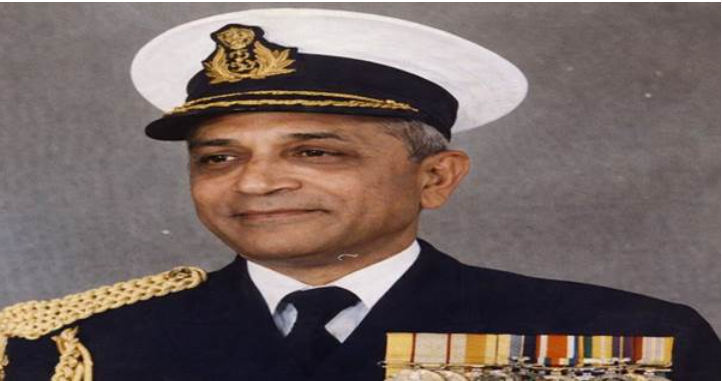
Admiral Ram Dass Katari
Goa stayed under Portuguese rule for over 450 years, even after India became free on August 15, 1947. This led to years of protests, peace marches, and small border clashes. Tensions grew high by late 1961, when India chose quick military action to free Goa, Daman, and Diu on December 18-19.
Vice Admiral Ram Dass Katari, India's first home-grown Navy chief since 1958, led sea operations from Mumbai headquarters. His brave choices sparked a short but fierce 50-minute sea fight at Mormugao Harbour on December 18, 1961, that broke Portuguese sea power fast.
Build-Up: Tensions Before D-Day
Talks with Portugal failed for 14 years after 1947. By December 1961, PM Nehru approved military action after US warnings of no help. On December 11, the Army received orders to take Panaji and Mormugao port. Katari readied Navy ships: Cruisers INS Delhi and Mysore for blockade; frigates Betwa, Beas, and Cauvery for attack; plus planes from Pune. The goal was speed, surprise, and few deaths. The D-Day was set for December 18 after the last UN pleas.
Katari's Bold Signal: 8:30 AM, December 18
On the dawn of December 18, 1961, Katari, at Navy HQ, got news of the Portuguese ship NRP Afonso de Albuquerque guarding Mormugao port like a guard dog. At 8:30 AM, with frigates racing south at 22 knots (400 miles from Mumbai), he sent his famous cheeky signal: "Capture me a Portuguese frigate, please." He knew Indian 4.5-inch guns could beat the enemy's stuck ship, and overruled air-only plans for a shock attack. By 9:00 AM, IAF Canberra bombers hit the port guns and Dabolim airfield softly. Ships closed in.
Sea Battle Starts: Noon to 12:35 PM
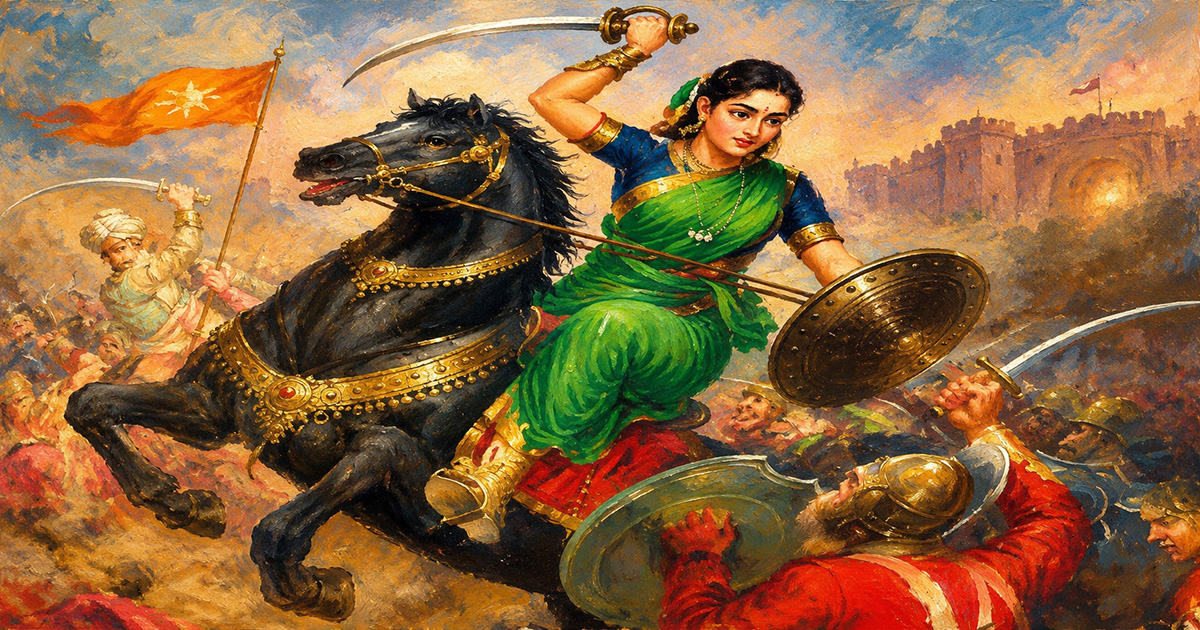
At 12:00 PM, frigates Betwa (lead), Beas, and Cauvery opened fire with fast 4.5-inch guns (12 rounds a minute). They blinked Morse code amid blasts: "Surrender and you will not be harmed." Portuguese Captain António da Cunha Aragão hit back hard with six bigger 4.7-inch guns: Shells splashed near Betwa, shrapnel flew. But at 12:10 PM, an Indian shot smashed Afonso's aim controls, killing 2 crew. Fire burst mid-ship, engines quit in smoke. The Indian army fired 300+ shells more quickly. At 12:35 PM, Afonso crashed on Bambolim Beach, white flag up, and the crew swam away. No Indians were hurt; while 5 Portuguese died, and 13 were wounded.
Army Pushes In: Early Morning Attacks
At 4:00 AM the same day, artillery boomed south of Maulinguem (false tank tip). By 4:30 AM, Bicholim was under fire; the Portuguese blew bridges at 4:40-5:00 AM. 50th Para Brigade (Brigadier Sagat Singh) crossed North: 2 Para Marathas to Ponda by 9:00 AM, 1 Para Punjab to Panaji, 2 Sikh LI with tanks to Tivim at 6:30 AM. Towards the East: 63 Infantry from Belgaum. In the South, there was a fake push from Karwar. By noon, the Portuguese fled Ponda, Mapusa.
Full Victory: December 19 Surrender
Katari blocked escapes with INS Delhi, dropped paratroops safe at Daman-Diu. By evening on December 18, the Indians took Vasco and Aguada Fort. At 8:10 AM, December 19, Governor Vassalo e Silva signed the surrender treaty at Panaji. 36 hours total; 22 Indians, 30 Portuguese dead. Katari quipped later: "We got a frigate—and a territory." Goa joined India on December 20 by opinion poll. His fast calls made it a clean win.
.jpg)