A Lawyer Who Sold His Assets to Save a Patriot: Who is the Mastermind Behind Alipore Bomb Case Victory?
Chittaranjan Das, who stood by Sri Aurobindo Ghose not just as a lawyer, but also as a man who sacrificed his fortune to defend a dream.

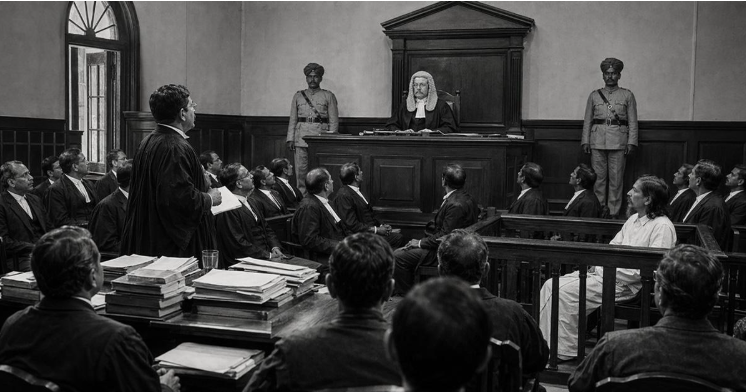
This image is AI-generated
In the history of the Indian freedom struggle, the Alipore Bomb Case of May 2, 1908, was not just an ordinary legal trial. It was a pivotal historical moment that showcased the British Empire's attempt to crush a revolutionary idea. Chittaranjan Das, who stood by Sri Aurobindo Ghose not just as a lawyer, but also as a man who sacrificed his fortune to defend a dream.
Sri Aurobindo as under-trial prisoner in Presidency Jail | Image Source: Sri Aurobindo Institute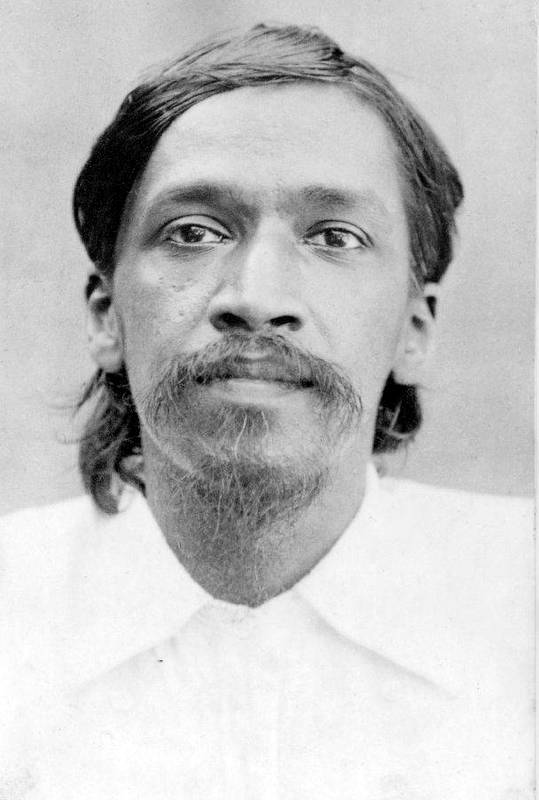
The British Conspiracy Targeting Aurobindo
For the British rulers, Aurobindo Ghose was not just a name; he was a challenge. His writings, speeches, and ideology influenced the Indian youth so deeply that they sent shivers down the spine of the British Empire. To eliminate him at any cost, the British government implicated him in the 'Alipore Bomb Case.' Although 40 people were arrested, they targeted Aurobindo specifically. They realized that the intellectual power Aurobindo was providing through the 'Bande Mataram' newspaper was more powerful than bombs. "The most dangerous man we have to deal with at present," wrote the then Viceroy Lord Minto about Aurobindo. Therefore, despite a lack of evidence, they spun a web of lies and planned to sentence him to death. To achieve this, they appointed a formidable lawyer, Edward Norton, on a massive fee of 400 rupees per day, a huge sum for that era.
The Savior: Chittaranjan Das
Defence Counsel Chittaranjan Das | Image Source: Sri Aurobindo Institute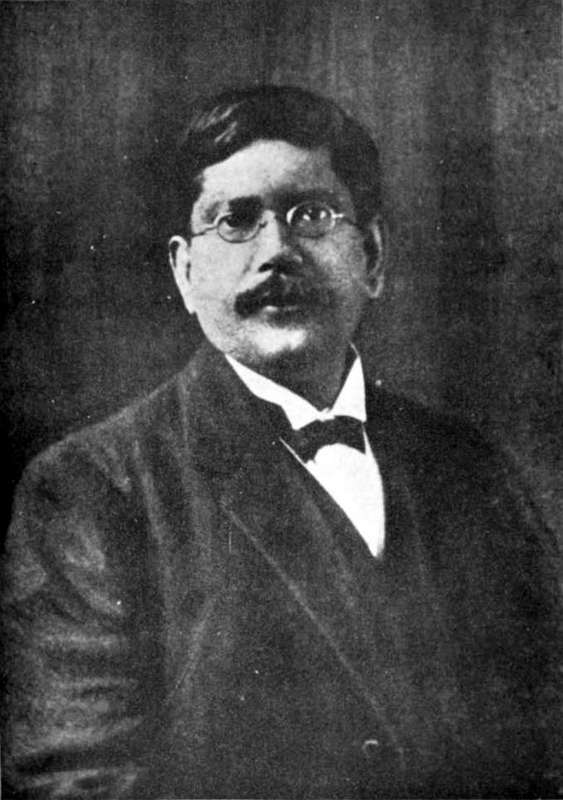
During that time, the only courage that stood by Sri Aurobindo was Chittaranjan Das. He was one of the most brilliant barristers in Calcutta. At that time, Chittaranjan Das was a top lawyer earning thousands of rupees a month. Taking up Aurobindo’s case was no easy task because Aurobindo’s family was in no position to afford the expenses. In such a difficult time, Chittaranjan Das decided to argue the case without taking a single penny as a fee. Setting aside his regular practice entirely, he decided to bear the massive costs required for case research and the collection of evidence himself.
Intellectual Battle: 'S' for Sadhana
The primary evidence produced by the British in court was Aurobindo's personal diary, where the letter "S" appeared repeatedly. British prosecutor Norton argued that it stood for "Seditious." However, Das brought out the spiritual dimension of that diary and proved that "S" stood for "Sadhana" (spiritual practice), and it was about yoga, not revolution. This was the most crucial turning point in the case. When the British lawyer pointed to a slip found in Aurobindo’s room containing the sentence, "The Sweets are ready," claiming it was a code for bombs, Das wittily countered, "The British do not understand Indian hospitality. It was merely a note about a feast." He argued that what Aurobindo practiced in solitude was "Meditation," which the police were mistaking for a "Conspiracy." In essence, Das transformed Aurobindo's spiritual experience into a 'legal defense.'
Aurobindo as a Prophet - A Strategic Move
Furthermore, lawyer Das called Sri Aurobindo the "Prophet of Nationalism." This was not just an emotional statement; it was a brilliant legal strategy. While it is easy to punish a political leader, Das succeeded in making the British judge, Beachcroft, realize that punishing a 'Prophet' or a spiritual guru would only further ignite the revolution nationwide. According to the police, the documents, letters, and diaries found with Aurobindo were signs of a revolutionary conspiracy. But Chittaranjan Das presented them in a completely different light through his powerful arguments. The specialty of his defense was that it didn't just point out legal loopholes; it was an intellectual masterstroke. He presented Aurobindo not as a bomb conspirator, but as a representative of national ideas and the Indian intellectual tradition. This was the unique strength of Das’s defense in this case.
The Sacrifice: From Wealth to Poverty
Lawyer Das had to lose a great deal for this trial. During the proceedings that lasted nearly a year, from May 1908 to May 1909, Das suffered severe financial losses. As his funds depleted, he had to sell his ancestral properties and eventually even his own residence. In this sacrifice to save a patriot’s life, Das gave up all his wealth and lived in poverty for a year. At one point, his wife and children struggled to afford even basic necessities like milk and vegetables. Moreover, he had to take loans for court expenses during the trial. Unable to repay them, a situation arose where the court was about to declare him 'insolvent.' Even in such circumstances, he did not take a single paisa from Aurobindo’s sister, Sarojini Ghose. His statement, "I am doing this for my country, not for your family," remains a magnificent testament to his character.
Career Risk and Declining Health
During the days of this trial, many wealthy people and businessmen stopped giving cases to Chittaranjan Das, fearing the wrath of the British. Consequently, he lost his status as a 'top barrister.' Many branded him as "a lawyer who supports a revolutionary." On the other hand, when the British lawyer presented thousands of documents and hundreds of witnesses in court, Das worked tirelessly, both mentally and physically, to analyze them. He worked for 15 to 18 hours a day. With the life of Aurobindo Ghose, for whom the entire nation waited in hope, on one side, and the British government’s treacherous plots on the other, the pressure took a toll. His health deteriorated significantly, and by the end of the trial, he was physically very weak.
Conclusion - The Legacy of Deshbandhu
The Alipore case was a turning point in Aurobindo’s life. After this case, his political life gradually shifted toward a spiritual path. At the same time, it became a major milestone in Chittaranjan Das’s public life as well. His name began to resonate not only in the legal world but also in the national movement. Chittaranjan Das, the 'mastermind' who sacrificed so much and played a key role in securing victory for Aurobindo in the Alipore Bomb Case, tearing the British false evidence to pieces with his intellectual might, was later affectionately called 'Deshbandhu' (Friend of the Nation) by the people.