The Spark That Defied Oppression: The Inspirational Struggle of India's First Sikh President, Giani Zail Singh

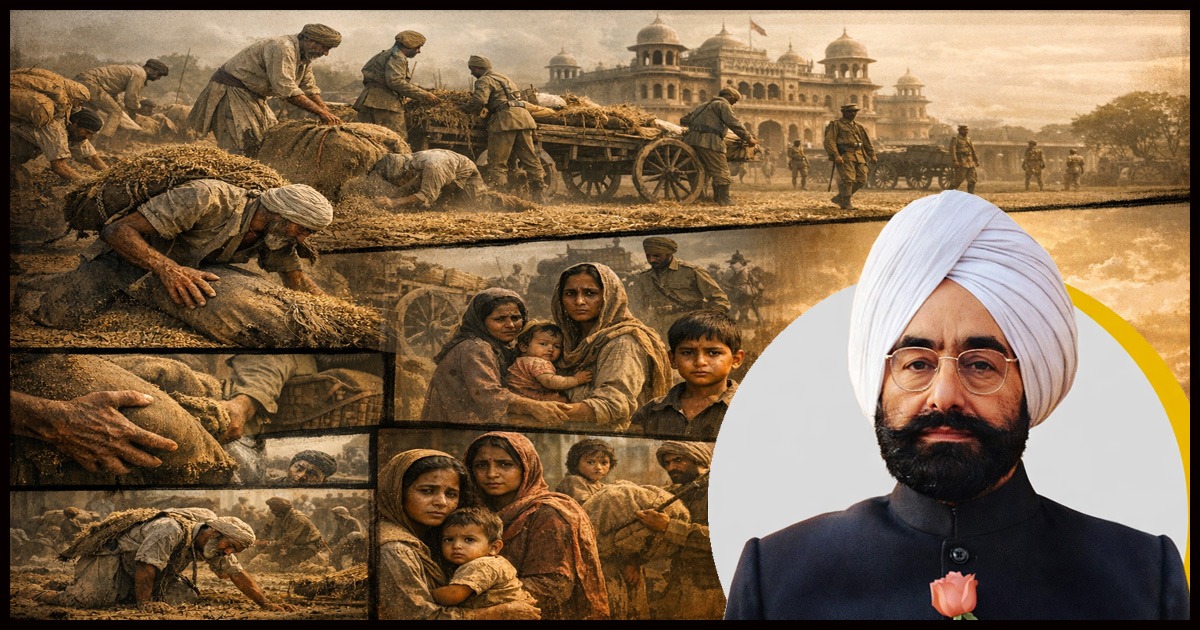
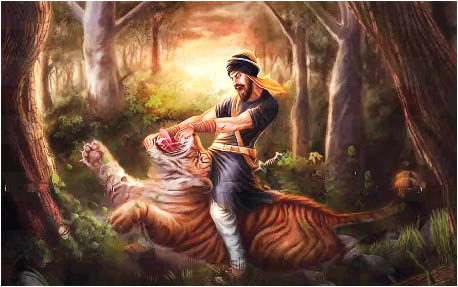
This image is AI generated
"Wherever there is oppression, a revolution will rise!" This is an absolute truth. Every revolution in the pages of history was born out of hunger, insult, and injustice. When tyranny reached its peak in the Faridkot princely state in 1946, the story of a warrior who became the voice of the people and resisting that oppression is the journey of Giani Zail Singh.
Faridkot in the Shackles of Slavery
Under the rule of Raja Harinder Singh, who joined hands with the British, all common beings languished in slavery. It was a daily occurrence to snatch more than 60 percent of the crop as tax, to harass people without mercy even during famines, and to make farmers and people work like animals in the name of 'Begari' (forced labor). Education and freedom were not available to commoners in that state. In those dark days, Giani Zail Singh emerged like a spark of fire. Once he started raising his voice, that silent fear vanished completely.
1938: The Foundation of Revolution - Five Years of Hell
Infuriated by these injustices, Giani Zail Singh established a political platform called "Faridkot Praja Mandal" in 1938, affiliated with the Congress Party. Through this, he began to sensitize the people against the autocratic rule of the princely rulers. He transformed even commoners into disciplined volunteers like soldiers. For this, he took inspiration from the 'discipline' of Netaji's Azad Hind Fauj. Uniting people beyond religions, he started questioning the king's atrocities. While the king tortured the people as he pleased, these volunteers turned into a disciplined force and reached a level where they could confront them. The people started defying the king's orders. This made the king fear that his throne was shaking. Unable to bear this, the king arrested him and confined him in a small, dark room.
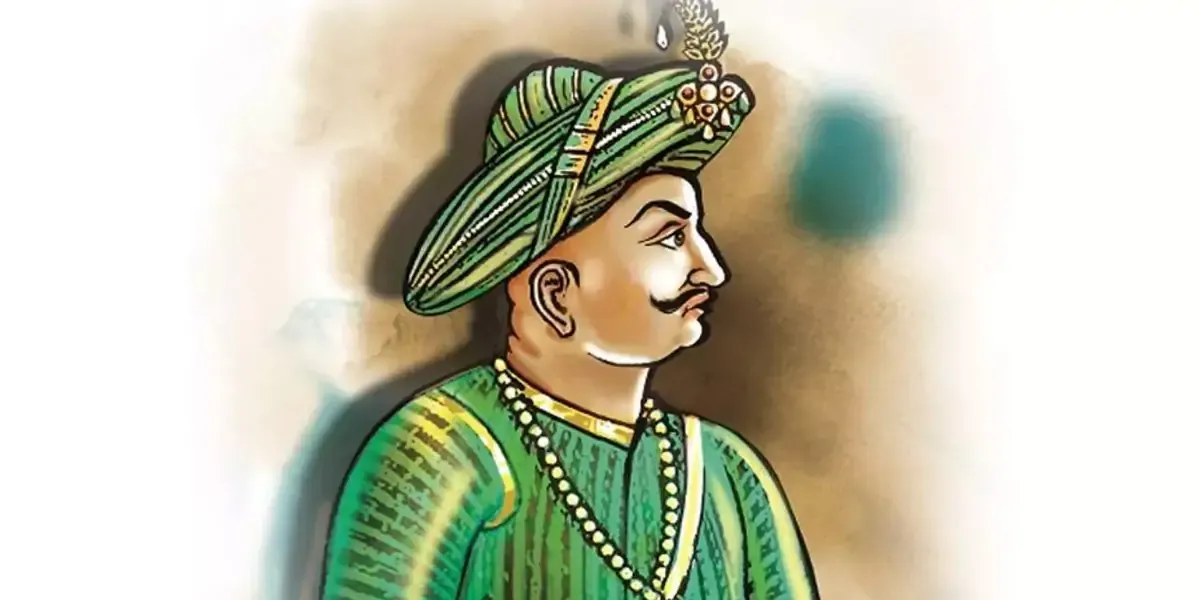
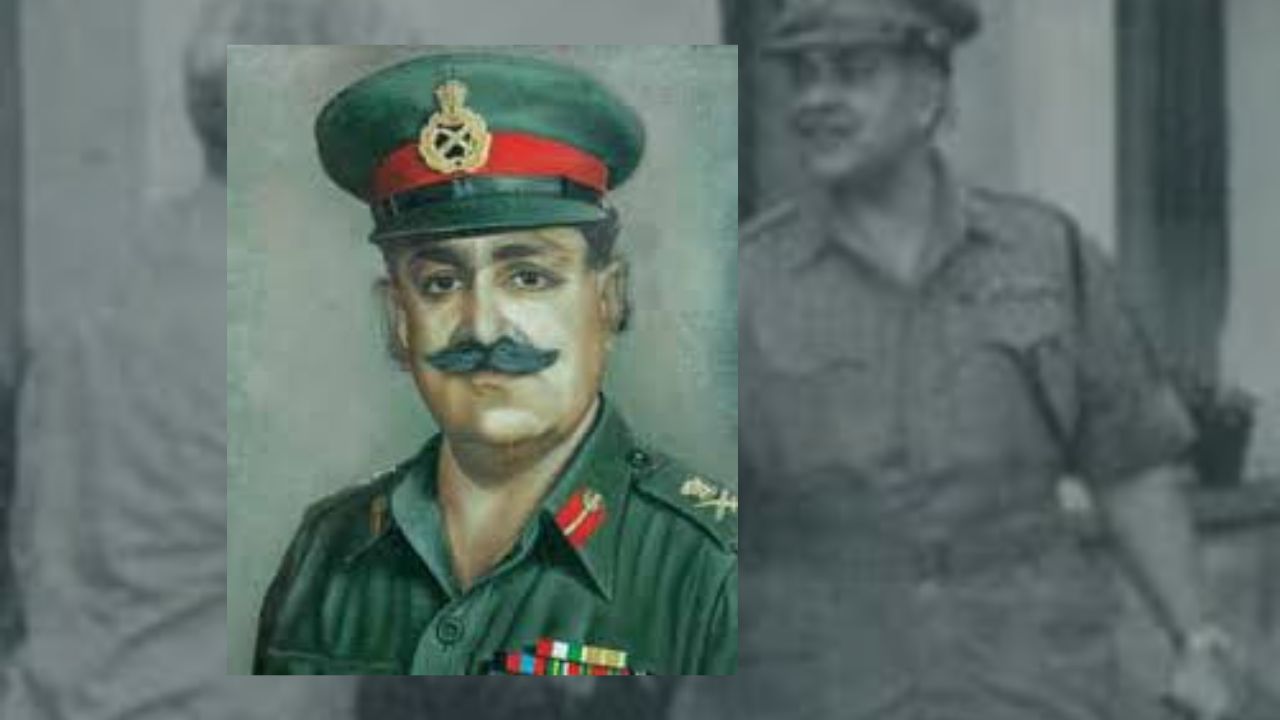
Giani Zail Singh | Image Source: Jeevan Parichay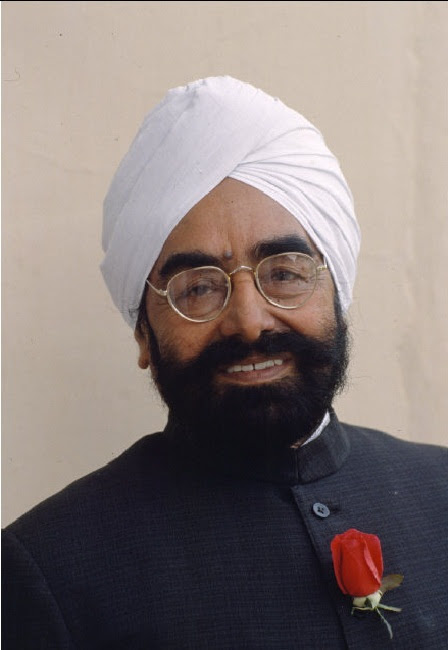
Punishment: 23 Hours of Solitary Confinement per Day
From 1938 to 1943, for five years, he had to bear severe physical and mental torture within those four walls of a room with no light. There was no light in the room, no humans to talk to; nothing could be heard except the laughter of policemen and the sound of soldiers' boots outside. That silence caused him severe mental agony. It was from there that he changed his name to 'Zail Singh'.
1946: Flag Satyagraha - A Struggle for Self-Respect
After his release from prison, his struggle intensified. In May 1946, the Praja Mandal decided to hoist the national flag in Faridkot. They considered this a symbol of the country's freedom. Thousands of people moved forward under the leadership of Zail Singh, holding the flag. But, the princely soldiers snatched that flag, threw it to the ground while everyone was watching, and insulted it by trampling it with their feet. To have that flag fall into the dirt meant insulting the soul of the nation! At that moment, Zail Singh's fury reached its peak. At that very moment, a warrior fully emerged in him. The heat of that movement spread so much that Pandit Jawaharlal Nehru himself had to come to Faridkot and hoist the flag along with Zail Singh. The king's authority bowed before that power of the people.
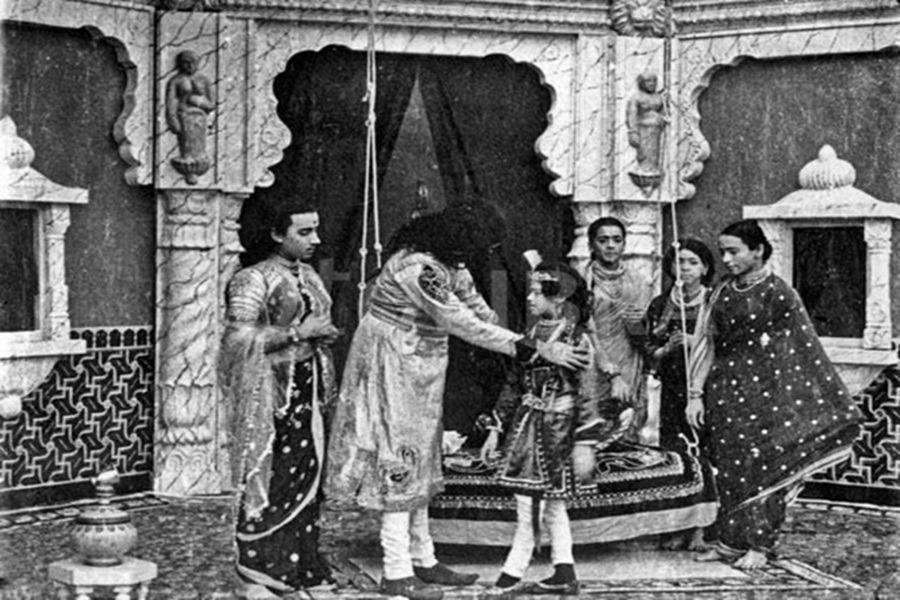
Chief Justice of India Y. V. Chandrachud administering the oath of office to Giani Zail Singh in 1982 | Image Source: Wikimedia
From Prisoner to President
After the Faridkot victory, his focus shifted to the Indian freedom struggle. Joining the All India Congress Committee, he began fighting the British directly. The hardships he endured in that dark room back then did not give him fear, but rather the grit to do something for the country. After independence, he served as the Chief Minister of Punjab and later as the Union Home Minister. After that, he took charge as the first Sikh President of this country. Giani Zail Singh is the great man who proved that if one resists oppression, even a commoner can rewrite history.