Pal Dadhvav Massacre, Land Tax, Holi and the Hiru River: Gujarat’s Forgotten Tribal Tragedy of 1922

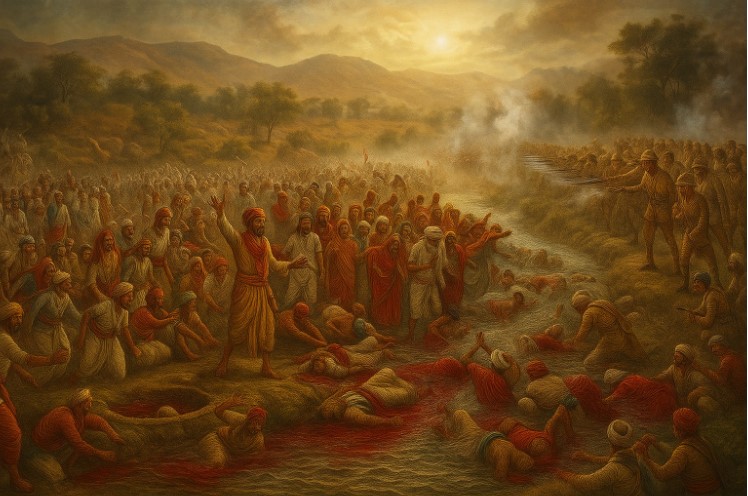
On 7 March 1922, the tranquil tribal village of Pal Dadhvav in Sabarkantha district in Gujarat, became the scene of one of the most horrifying massacres in India’s freedom struggle, where over 1,200 tribal men and women were mercilessly killed by British colonial forces. Often referred to as Gujarat’s forgotten Jallianwala Bagh, the Pal Dadhvav massacre remains a grim testament to colonial brutality, yet it has not received its due place in popular historical memory.

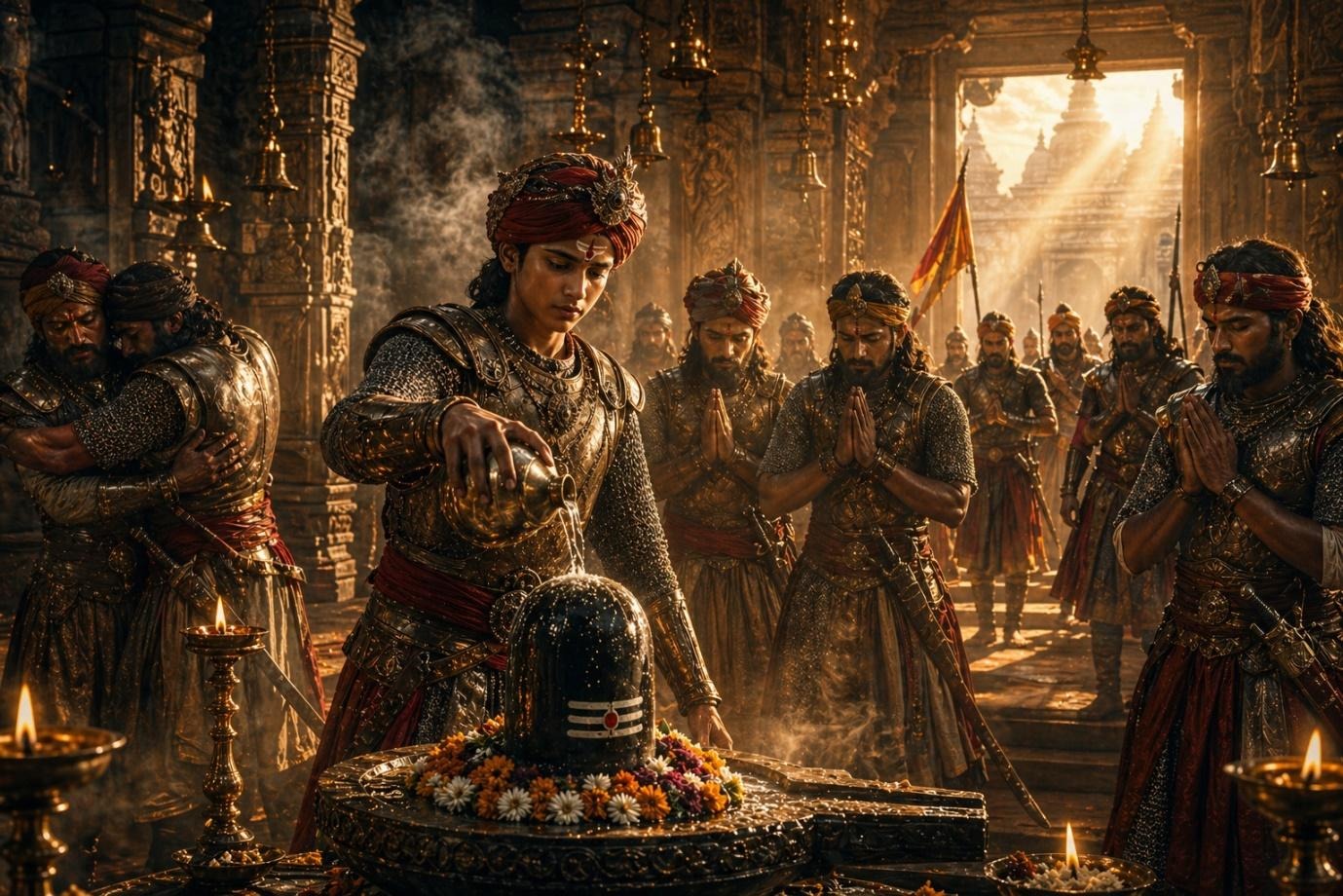
Pal Dadhav Massacre, Gujarat’s forgotten tribal tragedy | AI Image
The movement that led to this massacre was sparked by the oppressive land tax imposed on the forest-dwelling Bhil and other tribal communities, which pushed already impoverished villagers into extreme hardship. Motilal Tejawat, a revered tribal reformer from Rajasthan, emerged as the leader of this resistance. Recognising the injustice, he united the Bhil tribes across Gujarat and Rajasthan, inspiring a peaceful but determined protest known as the ‘Eki movement.’ On that fateful day, thousands of Bhils and other tribal communities gathered by the Hiru River, raising their traditional bows and arrows and vocally rejecting the unjust tax, shouting in unison, “We will not pay the tax!”
The British administration, alarmed by this popular uprising, deployed the Mewar Bhil Corps and other colonial troops, including officer H.G. Sutton, who ordered the troops to open fire on the unarmed crowd. The resulting massacre left an estimated 1,200 to 1,500 tribal men and women dead, though official British records grossly underreported the casualties. Bodies were thrown into nearby wells and the Hiru River, attempting to bury the evidence of the atrocity.
A unique and deeply moving aspect of the massacre was Motilal Tejawat’s survival. Though he was shot at twice, he was rescued and carried away by villagers on a camel. Displaying unwavering commitment to his people, Tejawat later returned to the massacre site and named it “Veerbhumi” (Land of the Brave) as a tribute to those who sacrificed their lives. To this day, tribal families commemorate the event through oral traditions and songs that keep the memory alive, such as “Hansu dukhi, duniya dukhi” (The world mourns the sorrow of Hansu), preserving this tragic legacy in their culture.
The massacre occurred on a sacred tribal festival day, Amalki Ekadashi, just before Holi, adding to the tragedy’s poignancy. This peaceful congregation intended to combine worship with protest, was brutally disrupted, turning the site into a charnel ground. Many villagers tried to escape by jumping into wells or fleeing into the forests, but were mercilessly gunned down. The massacre was a deliberate tactic by the British to terrorize the tribal communities into submission, but instead, it became a catalyst for continued resistance and a symbol of indomitable spirit.
Today, Pal Dadhvav is home to a memorial wall and the Shaheed Van, a forest of 1,200 trees planted to honour each martyr. Survivors and descendants of the victims actively participate in remembrance ceremonies that serve as a living testament to their ancestors’ bravery. Moreover, the massacre has been highlighted at the national level, including through a tableau at India’s Republic Day parade, underscoring the vital contribution of tribal communities to India’s independence movement.
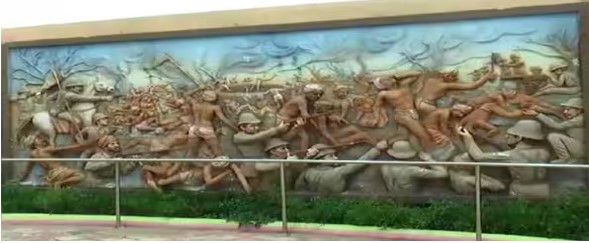
Shaheed Van, a memorial for the Pal Dadhav massacre | Image Source: Firstpost
This forgotten chapter reminds the nation that India’s struggle for freedom was not confined to its cities or well-known leaders but was fiercely fought in the remote forests and villages, whose courage and sacrifices merit enduring recognition.
.png)
.jpg)