The Reclamation of 'Hump' Peak: How Havildar Udham Singh Reclaimed It Despite Multiple Bullet Wounds
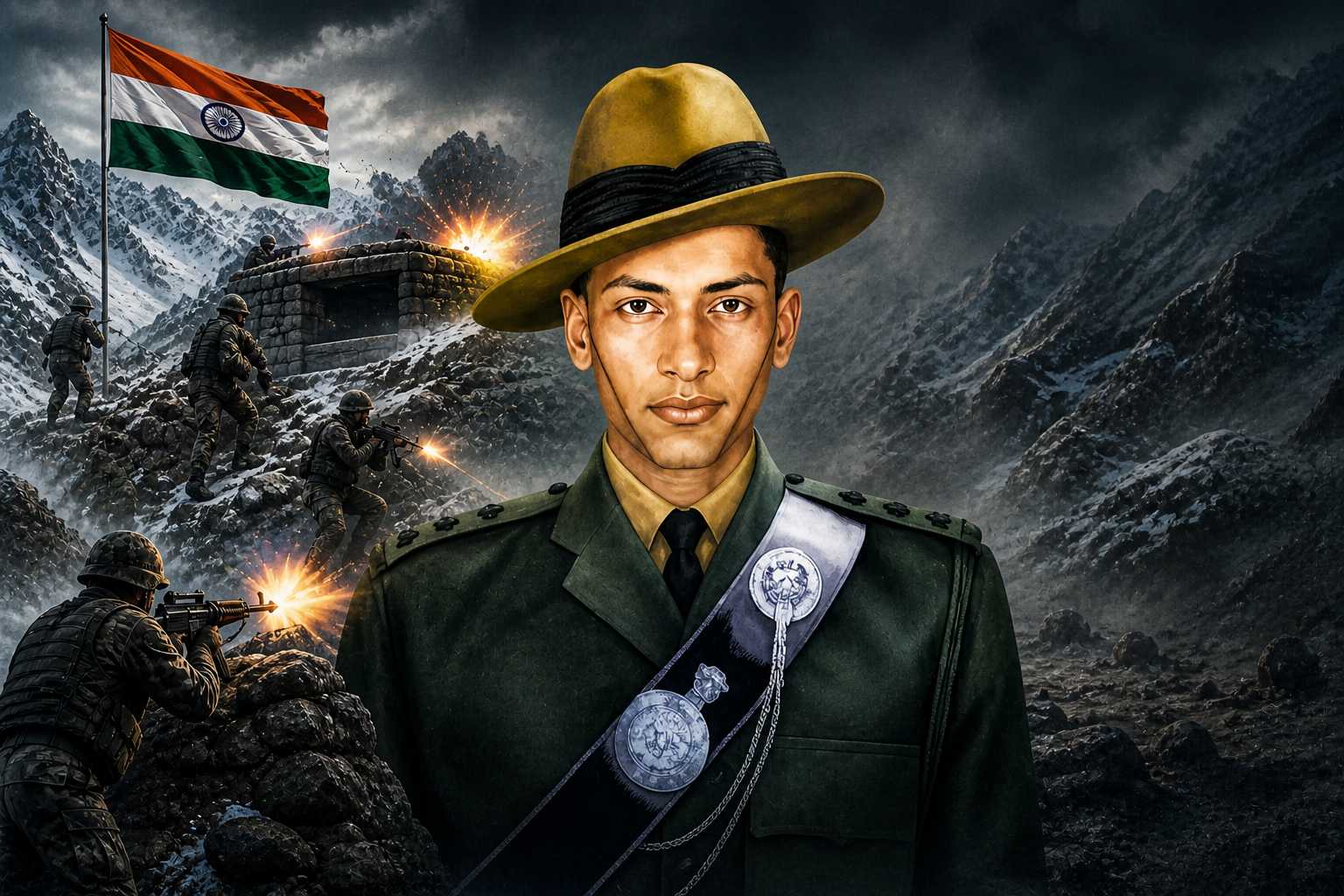
The journey started on June 14 at 01:30 am. Holding the vertical edges of the hill, Udham Singh was creeping from behind the 'Hump' peak

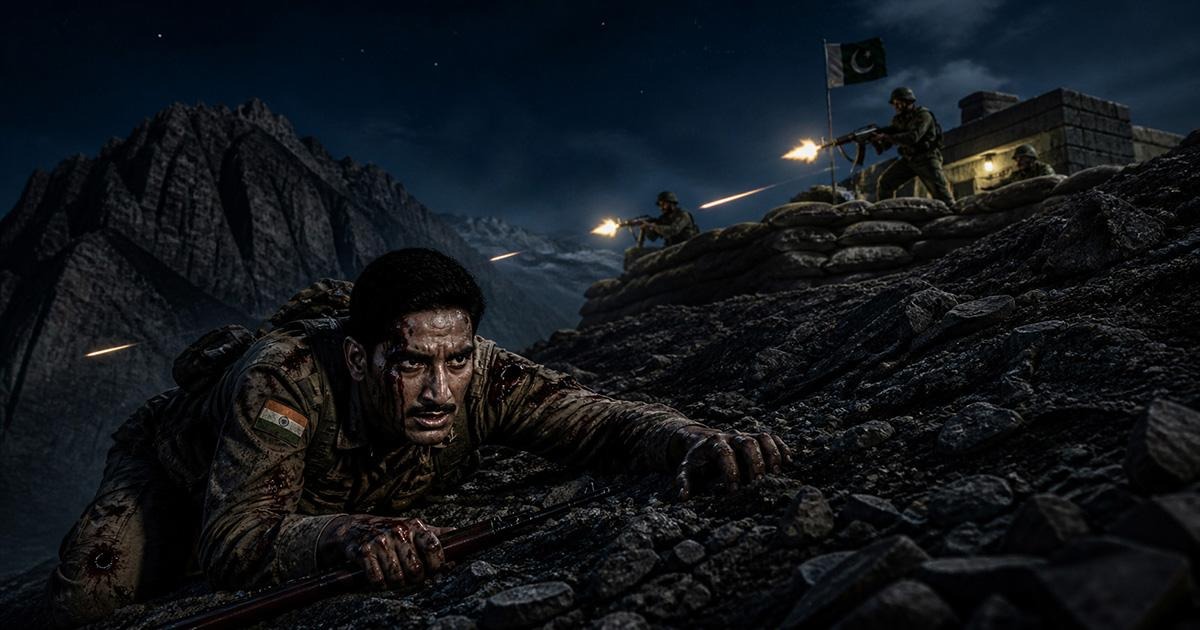
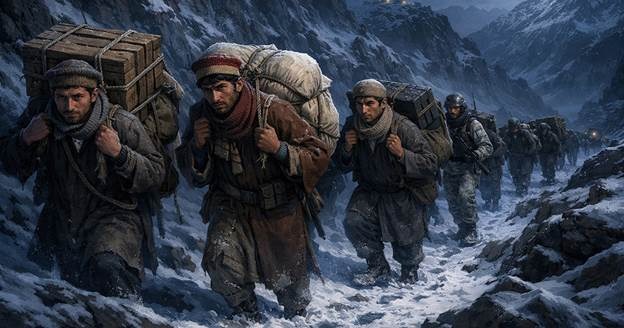
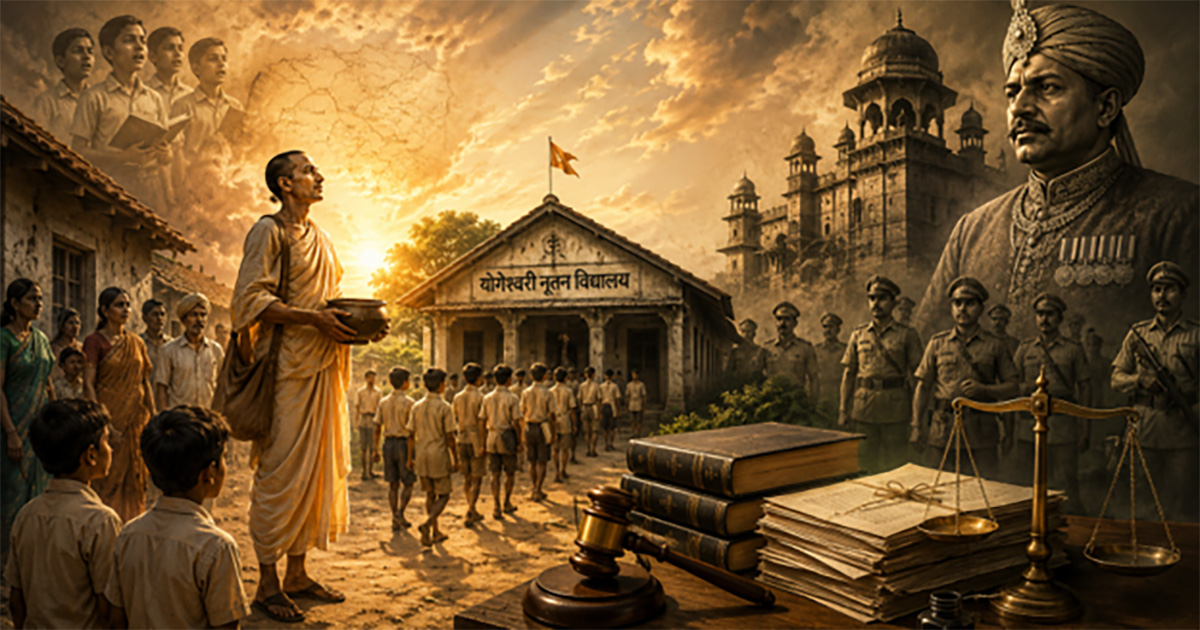
Havildar Udham Singh's Reclamation of Hump Peak | This image is AI-generated
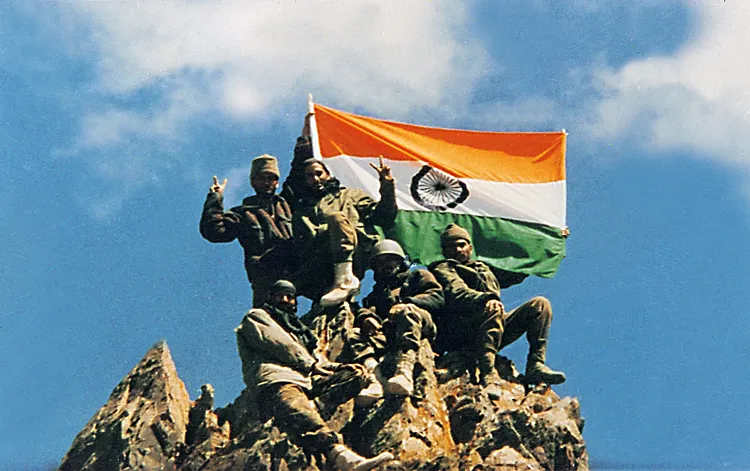
Bullets raining down from the sky, minus-degree cold, and Pakistani bunkers lurking like death in front! Even though he knew that if he took a step forward, his life would be lost, that voice did not retreat. This was witnessed by none other than Havildar Udham Singh, a valiant soldier of the Indian Army and played a key role during the 1999 Kargil War. During the war, he was a section commander tasked with reclaiming the strategic "Hump" feature in the Drass Sector on the night of June 13, 1999, a bravery that has gone down in history forever.
Kargil War: The Real Challenge in the Shadow of Tololing
Every step in the 'Operation Vijay' undertaken by the Indian Army to drive out Pakistani infiltrators (18 Grenadiers) in 1999 was an adventure. In this process, the reclaimation of Tololing, a strategic mountain peak and ridge in the Dras sector of Ladakh at an altitude of approximately 16,000 feet by 2 Rajputana Rifles, gave a great boost to the Indian forces. However, Pakistani soldiers were continuously firing bullets on the Indian forces from the 'Hump' point next to Tololing. Without reclaiming that peak, it would be impossible to win Point 5140, a strategically vital mountain peak in the Dras sector. When the 18 Grenadiers Division took on this critical responsibility, Havildar Udham Singh stood like an iron wall in front of the force.
Havildar Udham Singh | Image Source: Tribune India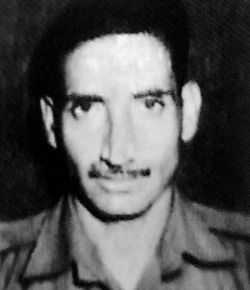
Strategic Lightning Attack
On June 13 at 10 pm. The 18 Grenadiers were tasked with reclaiming the "Hump" feature. This area was heavily fortified and provided tactical dominance over the Srinagar-Leh highway. The battle strategy chosen by Udham Singh that night was extremely dangerous. He ordered to advance by 'outflanking' the vertical edges of the hill, avoiding direct contact with the enemy. "You fire from the front and confuse the enemy, I will finish him off from the rear," he ordered his section soldiers, commanding them to divert their attention and enter the cave of death with a small group.
A Heroic Journey in a Pool of Blood
The journey started on June 14 at 01:30 am. Holding the vertical edges of the hill, Udham Singh was creeping from behind the 'Hump' peak, which the enemy did not expect. However, when he went very close to the enemy bunkers, the Pakistani soldiers spotted Udham Singh and opened fire. His body was riddled with bullets, and he could not take a step.
At 02:45 in the morning, though his life was hanging in the air like a lamp, Udham Singh did not back down. Ignoring his injuries, he jumped like a leopard onto the enemy bunker, Sangar, and threw the hand grenade he had inside. The explosion shattered the bunker. Three Pakistani soldiers inside lost their lives.
By 3 am, he had cleared the enemy bunker and signaled the soldiers following him to "Charge Ahead". At that moment, his body stopped cooperating. Having secured India's victory on the peak of the 'Hump', Havildar Udham Singh breathed his last for his country on that battlefield. He defeated death and went down in history as a martyr. Due to this courage shown by Udham Singh, the enemy lost control of the 'Hump'. This was not just an attack on a bunker, but an irreparable blow to Pakistan's hopes of invasion.
Vir Chakra: An Invincible Signature
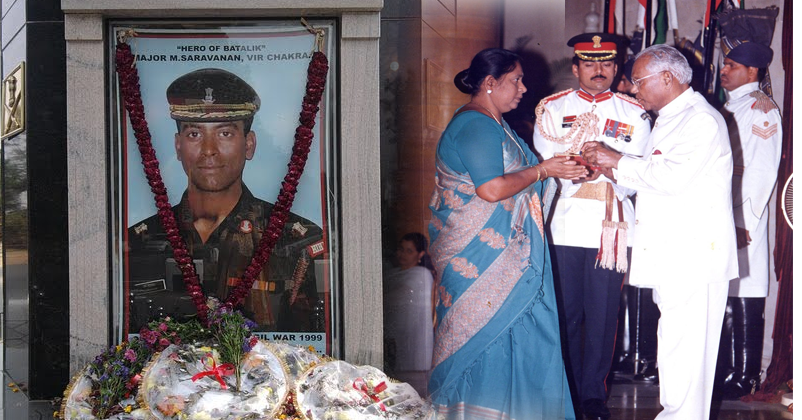
In recognition of Udham Singh's unwavering determination and supreme sacrifice on the battlefield, the Government of India posthumously awarded him the "Vir Chakra". Victory in Kargil did not come with guns alone; it was possible with the blood and spirit shed by jawans like Udham Singh at every step. His name will remain an eternal flame in the history of the Indian Army.