Siege of Chittorgarh (1567–68): Isar Das Chauhan, the Lone Warrior of Chittor Who Defied Akbar’s Brutality
Armed with nothing more than a dagger, with no shield, no companions, and no hope of survival, Isar Das Chauhan stood driven solely by courage and devotion to his motherland.

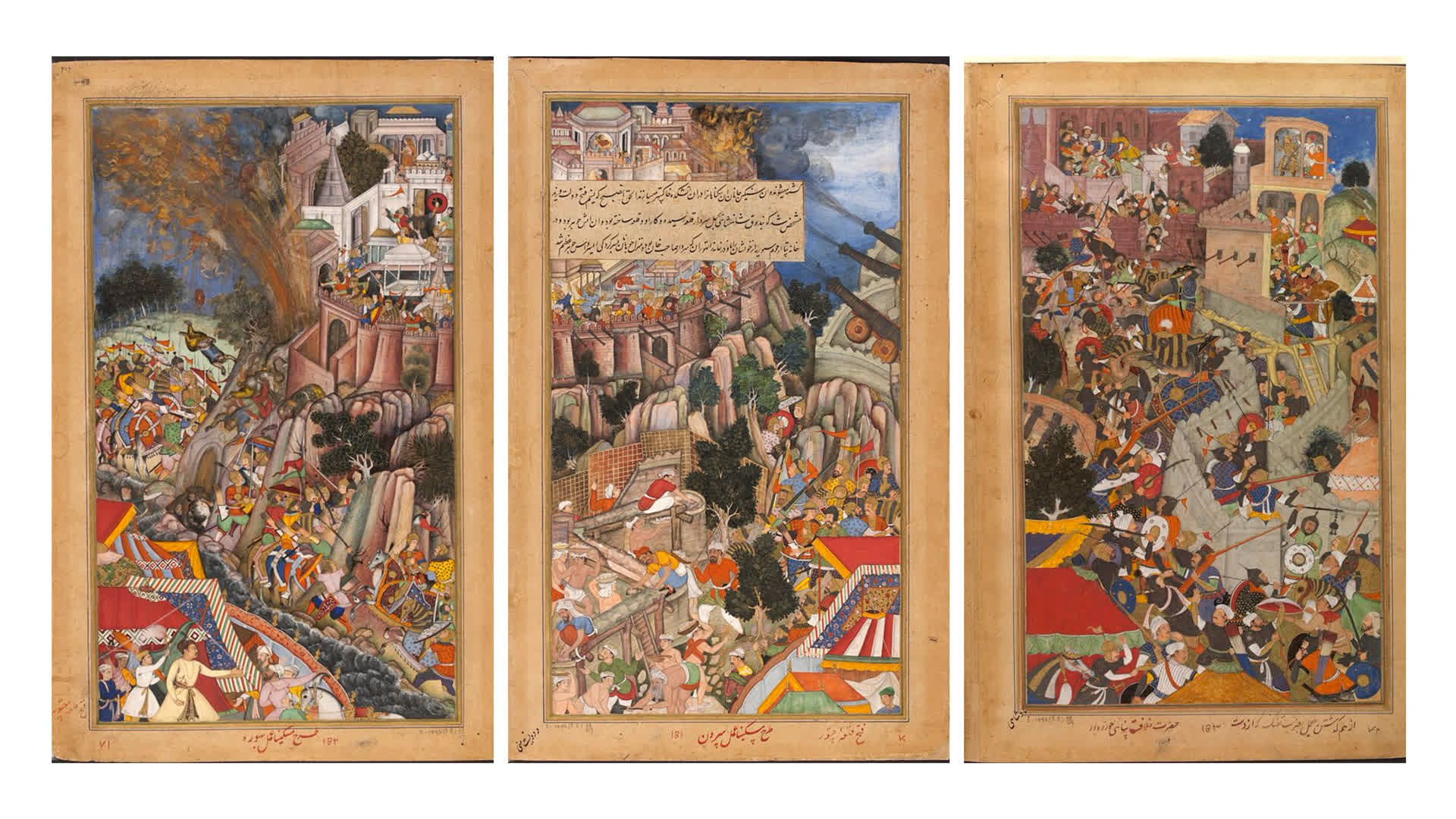
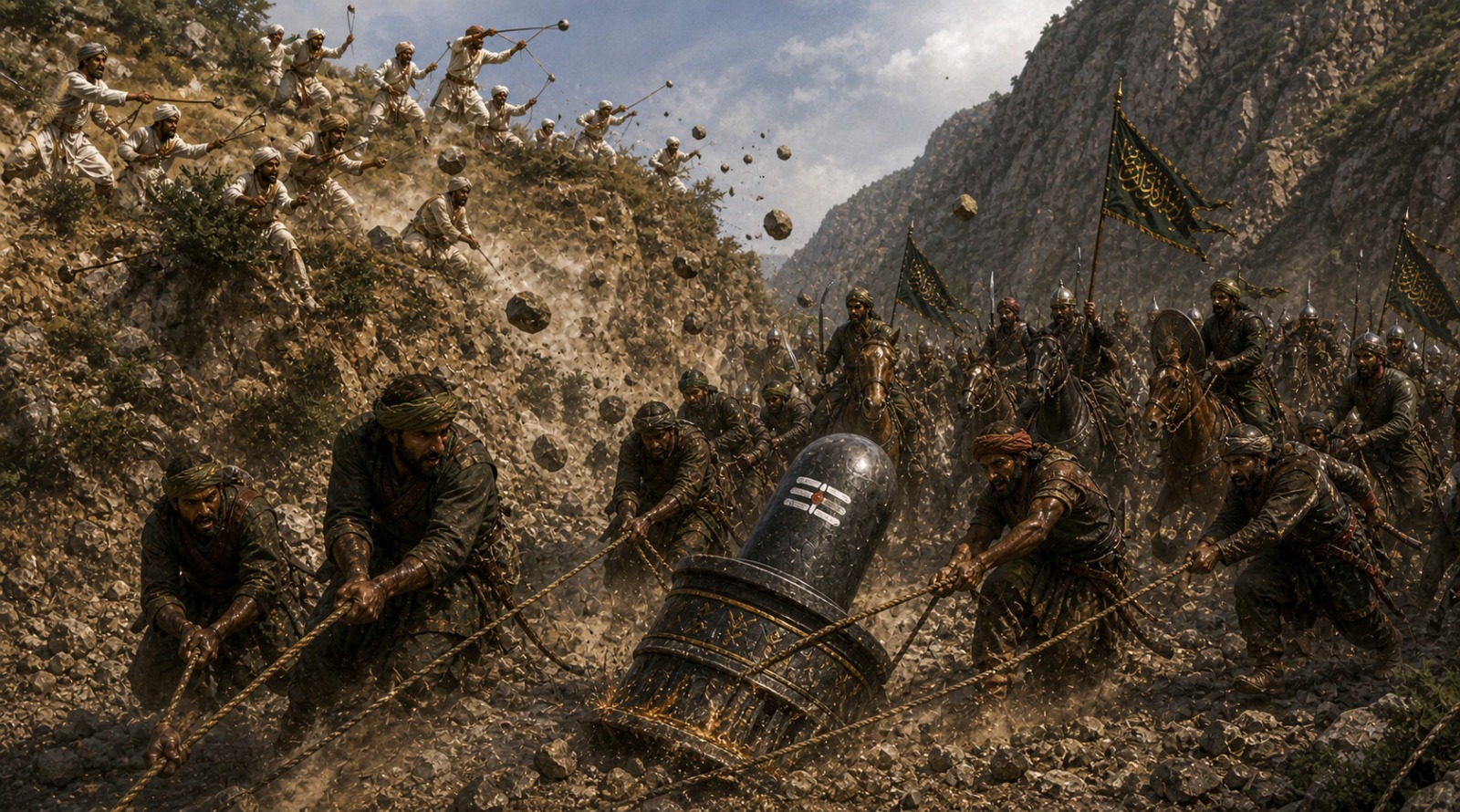
Akbar's Chittor campaign | Image Source: Live History India
During the Siege of Chittorgarh in 1567–68, the great fort of Chittor had fallen silent. The Mughal army was celebrating its victory. Death and devastation hung heavily over the battlefield. Then, through the smoke and rubble, a lone figure emerged—Rajput warrior, Isar Das Chauhan.
His body was covered in dust and blood. Though badly wounded, his eyes still burned with defiance. He had survived the massacre that had engulfed the fort. But instead of fleeing, he chose to make a final stand. Armed with nothing more than a dagger, with no shield, no companions, and no hope of survival, he stood driven solely by courage and devotion to his motherland.
To crush the remaining resistance, Akbar had unleashed war elephants upon the battlefield. First fifty, and then nearly three hundred elephants fitted with swords on their trunks, were sent forward. According to the Mughal chronicler Abu'l-Fazl, Isar Das Chauhan confronted one of these elephants armed only with a knife.
Without hesitation, Isar Das charged toward the beast. The enraged elephant raised its trunk and attacked. Dodging the assault, he seized its massive tusks with both hands and began pulling himself upward. The elephant trumpeted and thrashed violently, trying to shake him off, but Isar Das refused to let go.
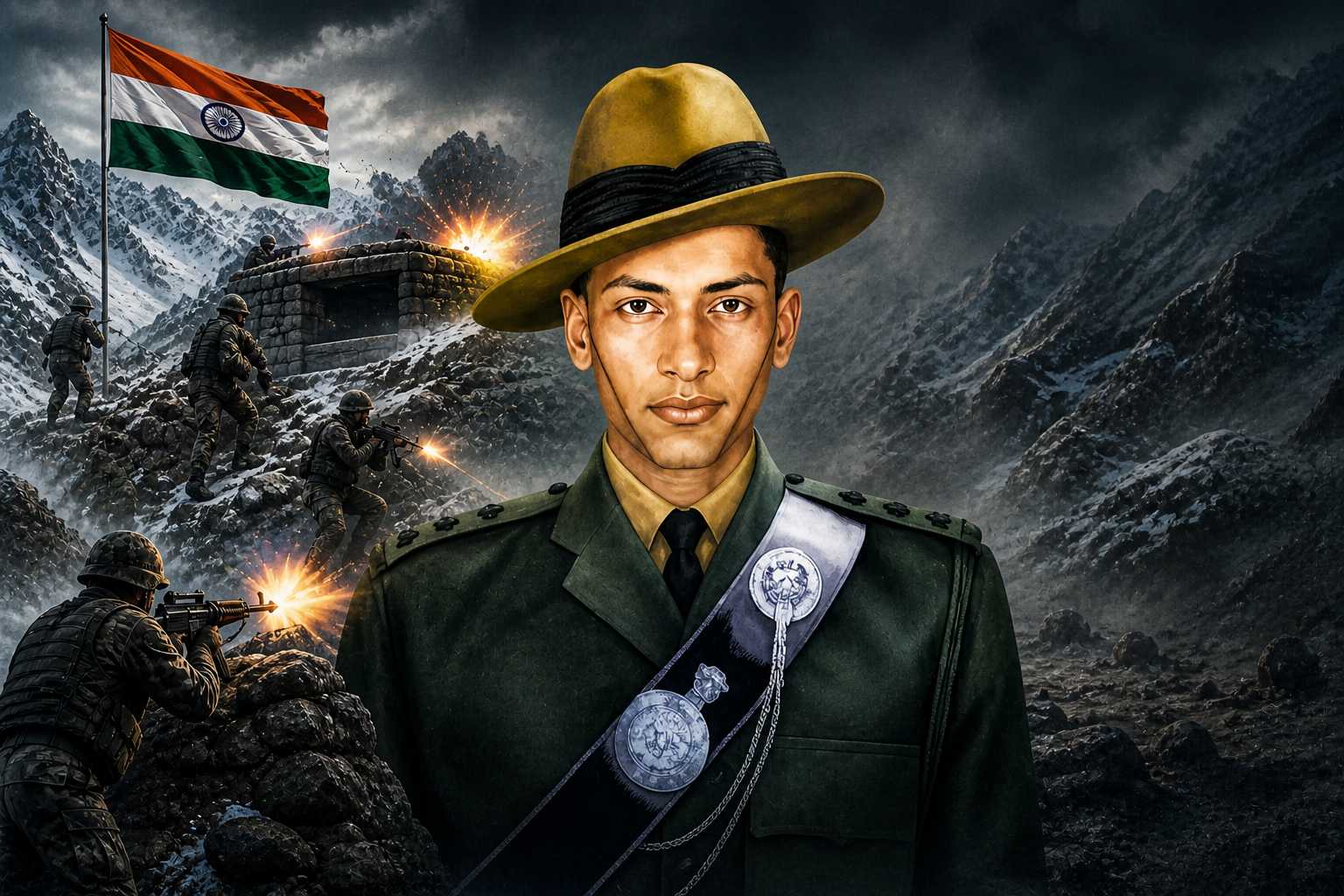
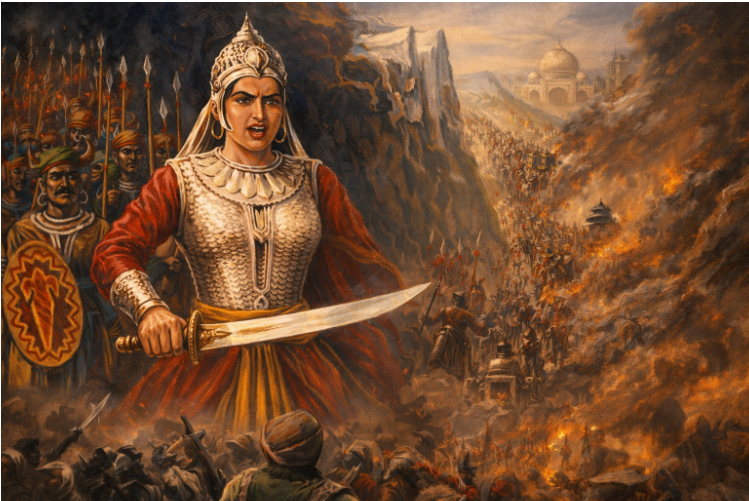
Isar Das Chauhan | This image is AI-generated
In a remarkable feat of courage, he climbed onto the elephant’s back and plunged his dagger deep into its flesh. Blood gushed out as the wounded animal screamed in agony. The entire Mughal camp watched in stunned disbelief.
Looking around, Isar Das thundered: “Kindly convey my salutations to Akbar.”
These words were directed at the Mughal emperor himself. Standing face-to-face with death, he mocked the victor. A lone warrior was openly challenging the might of the Mughal Empire. There was neither fear nor despair in his voice—only courage and defiance.
Mughal cavalry and infantry quickly surrounded him. Swords were drawn, and spears lowered. Leaping from the elephant, Isar Das landed on the ground and single-handedly engaged the enemy.
His dagger flashed relentlessly. One Mughal soldier fell pierced by its blade, another was struck down, and several more were wounded. Chaos erupted around him. Isar Das fought like a possessed man, embodying the last spark of Chittor’s resistance.
But the Mughal soldiers vastly outnumbered him. They attacked from all sides. Spears pierced his body. Swords slashed his shoulders, arms, and chest. Blood poured from his wounds, yet he continued fighting. Even as he staggered, he brought down more attackers. His extraordinary bravery left even his enemies astonished.
Eventually, the wounds became too many. His strength began to fail. Isar Das Chauhan sank to his knees upon the sacred soil of Chittor—a lone Rajput warrior who had stood against an empire until his final breath.
His last stand became one of the most inspiring episodes in the saga of Chittor. When the fort had fallen silent and resistance seemed extinguished, he demonstrated that a true Rajput never surrenders. Through his courage, he left an enduring mark on history, proving that numbers mean little in the face of unwavering valor.
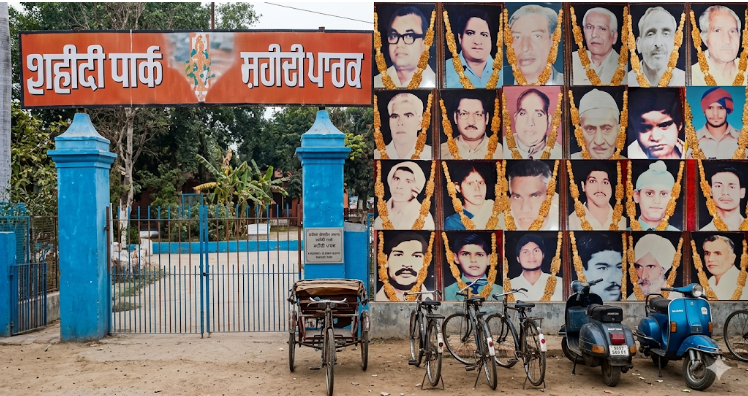
According to traditional accounts, nearly 8,000 Rajput warriors laid down their lives defending Chittor during the siege. Hundreds of women are said to have committed Jauhar to avoid enslavement and dishonor. Following the victory, Akbar reportedly commemorated the conquest with displays that symbolized the scale of the bloodshed and destruction that accompanied the fall of Chittor.
The scale of destruction in Chittor following Akbar's siege | Image is AI-generated
As for Isar Das Chauhan himself, various Rajput traditions and social media accounts identify him as having belonged to Badnor in present-day Rajasthan, though definitive historical evidence regarding his origins remains limited.