From the Vellore Revolt to Convent Schools: Is There a Continuing Attack on Hindu Religious Symbols?
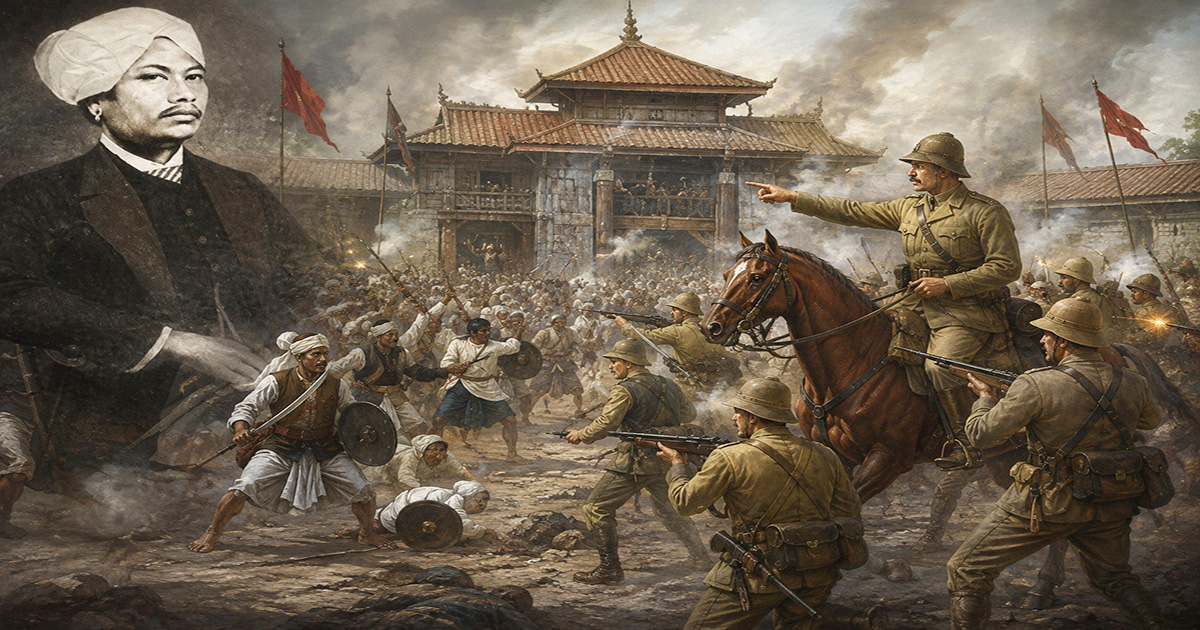
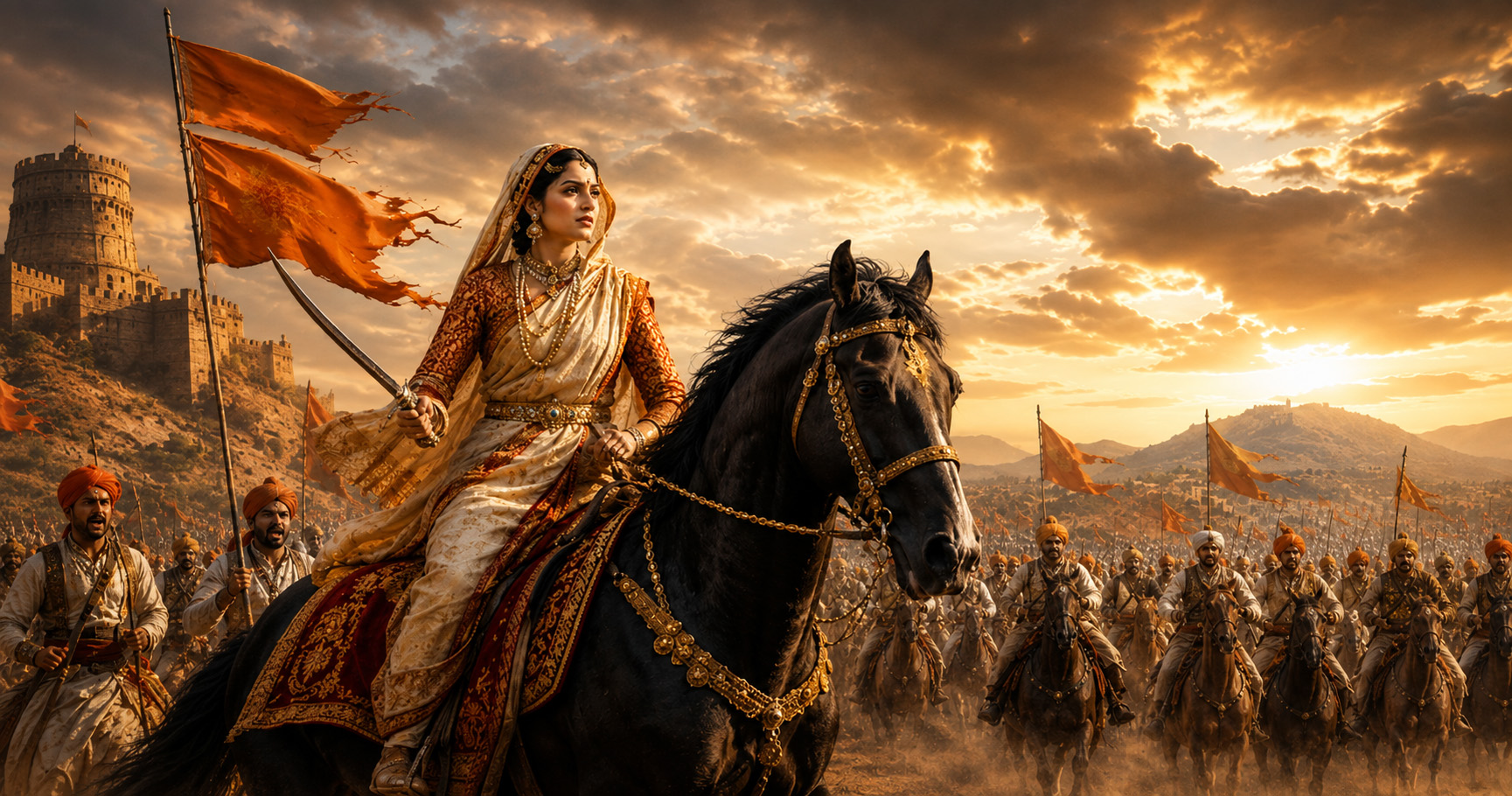
The Vellore Revolt of July 10, 1806, was carried out by Indian sepoys against the East India Company at the Vellore Fort in South India to defend religious identity and cultural dignity.

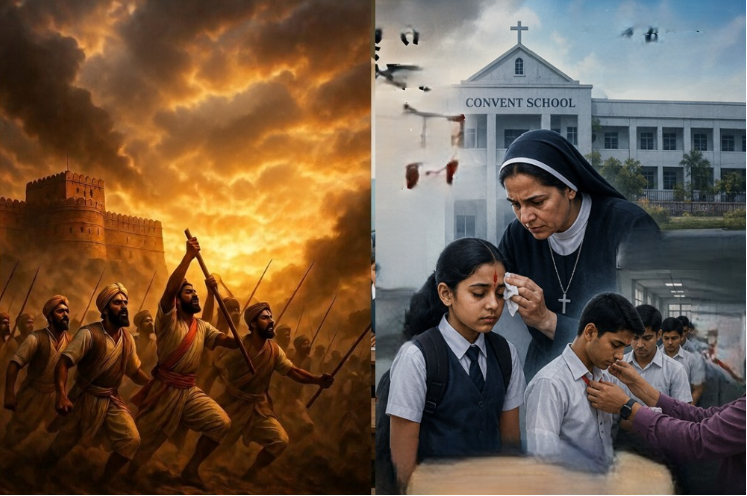
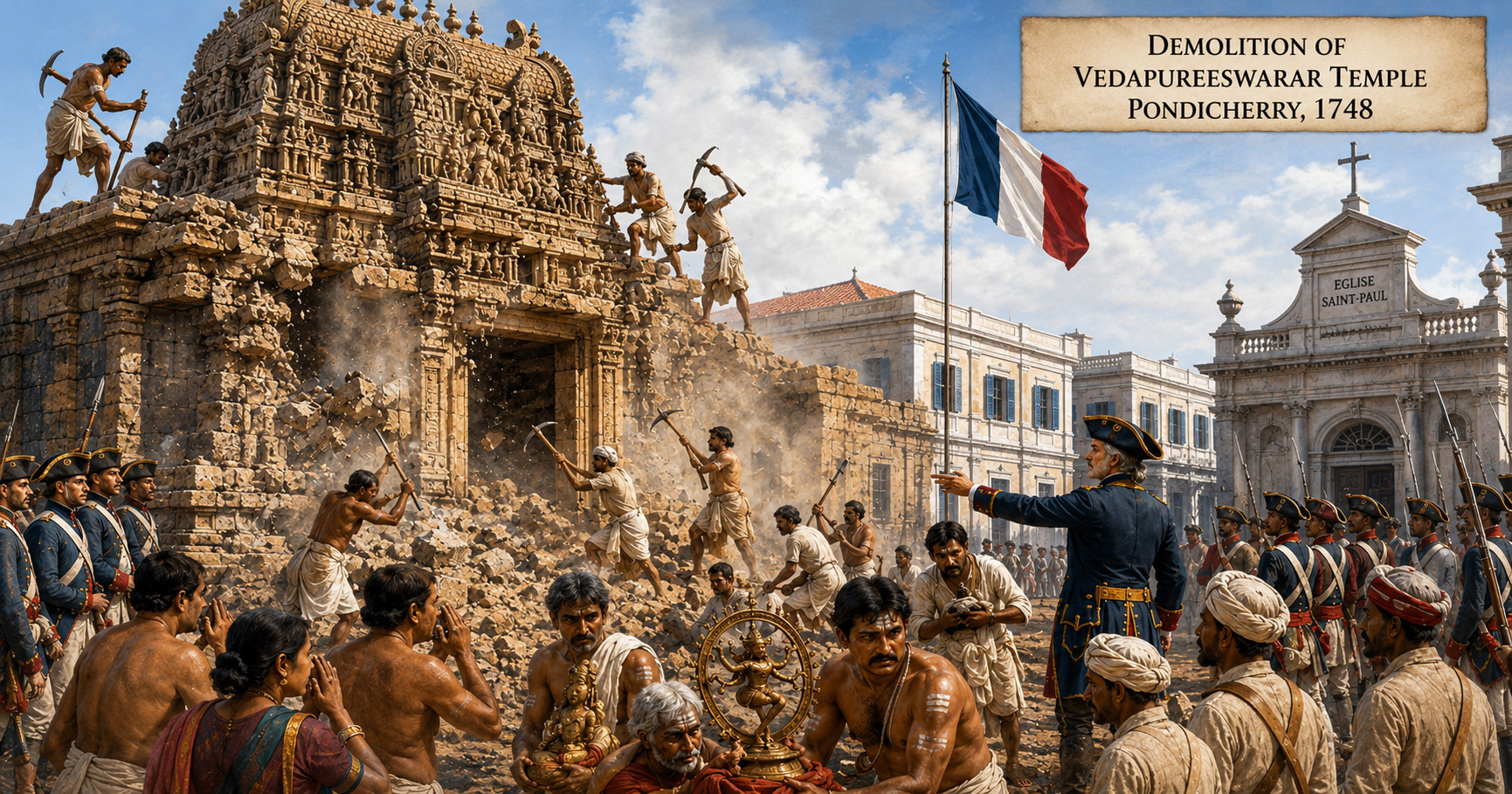
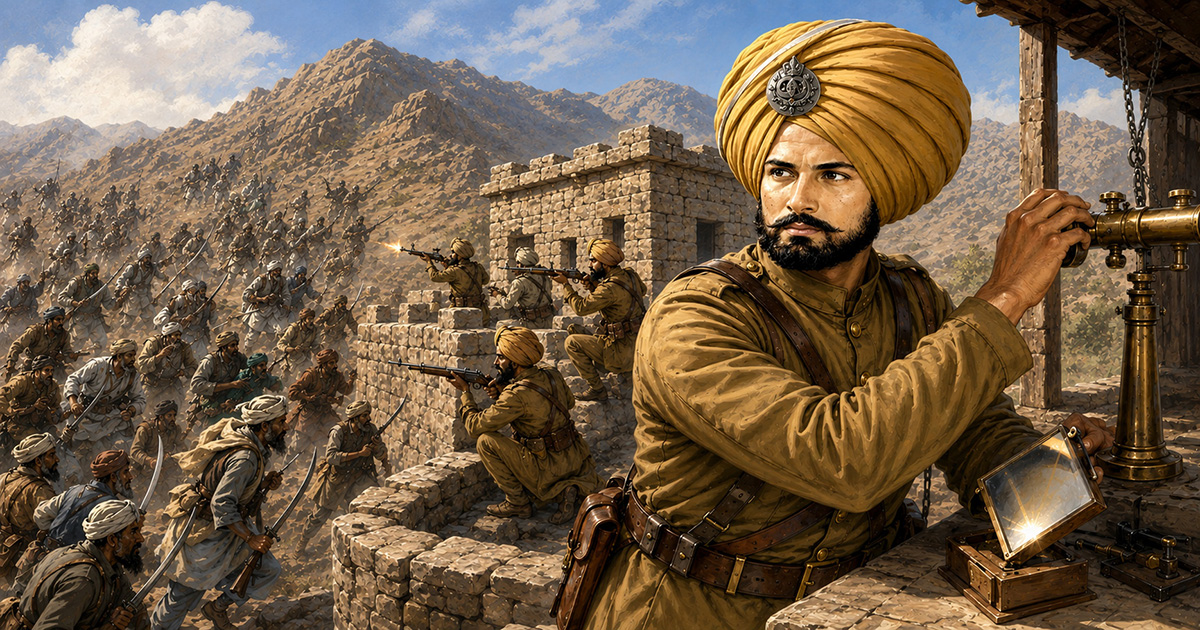
Representative image | This image is AI-generated
The Vellore Revolt of July 10, 1806, carried out by Indian sepoys against the East India Company at the Vellore Fort in South India, was not merely a military mutiny. It was a battle fought to defend religious identity and cultural dignity.
Now, more than 220 years later, similar concerns are being raised in independent India. In certain convent schools, missionary institutions, and examination centers, Hindu students have reportedly been asked to remove tilaks from their foreheads, cut off kalavas tied around their wrists, or even remove their sacred janeu threads. Many argue that history appears to be repeating itself — only the form has changed.
Let us look deeper into this continuing pattern and the concerns surrounding it.
The Vellore Revolt: When Religious Identity Sparked Rebellion
After the Fourth Anglo-Mysore War in 1799, the family of Tipu Sultan was imprisoned inside the Vellore Fort. Around the same period, sepoys of the Madras Army stationed there were subjected to new dress regulations imposed in November 1805 by Commander-in-Chief John Cradock.
Under these new rules, Hindu soldiers were prohibited from wearing religious marks such as a tilak or vibhuti on their foreheads. Orders were issued requiring soldiers to shave their moustaches and beards. They were also forced to wear leather caps or turbans, reportedly containing cowhide — something considered deeply offensive and impure by many Hindus.
The new headgear resembled European and Christian military styles, leading many sepoys to suspect that these changes were part of a larger attempt at forced Christianization.
On the night of July 10, 1806, around 2 AM, soldiers of the 1st and 23rd Madras Native Infantry rose in rebellion. They attacked British barracks, killed several British soldiers and officers, and hoisted the flag of Mysore over the fort. Tipu Sultan’s son, Fateh Hyder, was declared king.
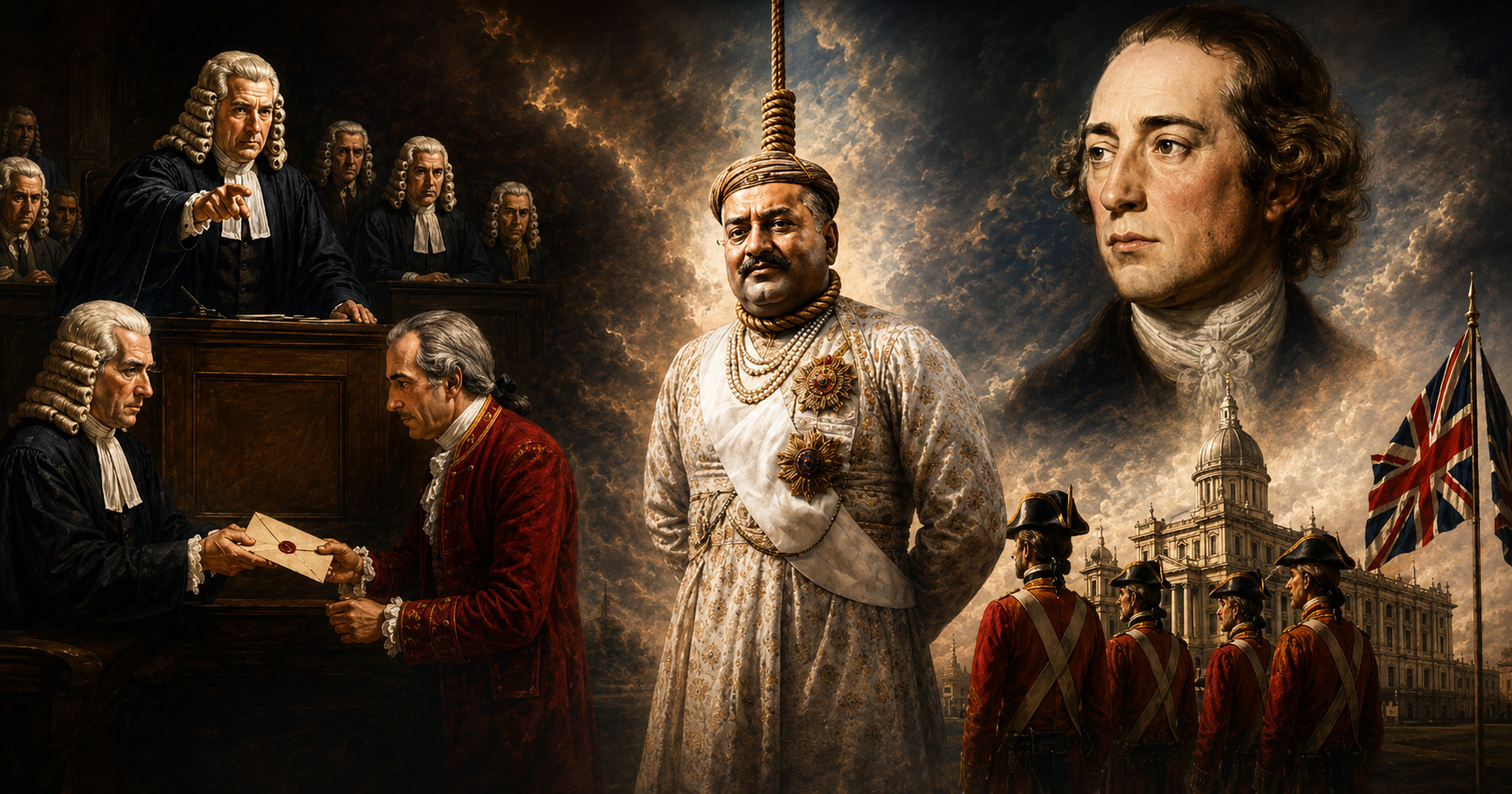
The revolt was eventually crushed by Colonel Robert Rollo Gillespie, but the British administration learned a serious lesson from the uprising. The controversial regulations were withdrawn, and both Cradock and Madras Governor William Bentinck were removed from their positions.
Modern-Day Controversies in Schools and Examination Centers
In the 21st century, similar debates surrounding Hindu religious symbols have resurfaced in parts of independent India.
In recent years, there have been several reports alleging that Hindu students in certain convent and missionary-run schools were compelled to remove visible religious symbols.
In December 2024, at Doon International School in Rishikesh, Uttarakhand, a teacher allegedly forced a Hindu student to wipe off her tilak.
In December 2025, at St. Angela's School, the principal, Samreen Khan, was accused of forcing Hindu students to remove their tilaks and kalavas while making them stand outside in the cold.
Similarly, in November 2025, allegations emerged against the administration of Little Flower School in Ayodhya’s Bharat Kund area, where Hindu students were reportedly pressured to remove sandalwood tilaks, kalavas, and even shikhas.
Concerns have also emerged in examination centers.
During the CET examinations in April 2026 at Krupanidhi College, five Brahmin students reportedly had their janeu and kalava forcibly removed.
During the NEET UG examinations in May 2026, some examination centers in Gujarat and Rajasthan allegedly instructed Hindu students to remove Tulsi malas and kalavas, while critics argued that burqa-wearing candidates were allowed exemptions.
Outside India, too, similar incidents have drawn attention. In January 2026, at Vicar's Green Primary School, an eight-year-old Hindu boy was reportedly monitored and removed from responsibilities for wearing tilak-chandan, eventually leading his family to change his school.
The Debate Over “Uniformity” and Religious Freedom
Many convent and missionary institutions justify such actions in the name of uniformity and discipline.
Critics, however, argue that this “uniformity” appears selective. Symbols such as burqas, hijabs, and crosses are often permitted, while Hindu symbols like a small tilak or a simple sacred thread are sometimes labeled as violations of dress codes or even “cheating tools.”
This has led many to describe the phenomenon as “selective secularism” — a tendency to apply strict standards to some communities while showing leniency toward others based on convenience or political considerations.
India’s Constitution, particularly Articles 25 to 28, guarantees religious freedom. While schools may be privately managed, they still function under constitutional principles. Critics argue that attacking a child’s visible religious identity can weaken both emotional confidence and cultural roots.
A Question of Cultural Identity
The sepoys of Vellore gave their lives defending what they believed was their religious and cultural identity. Many believe that today’s students, though peacefully and democratically, are engaged in a similar struggle to preserve that identity. A tilak is not merely a mark of color. A kalava is not merely a thread.
For millions, they symbolize continuity with Sanatan traditions and cultural heritage. Many view attempts to erase these symbols as attempts to gradually disconnect younger generations from their civilizational identity.
The story of Vellore reminds us that cultural and religious sensitivities have historically carried deep emotional significance in India. And history also teaches that when societies ignore such concerns, tensions can grow into larger social and psychological conflicts.
Awareness, dialogue, and mutual respect may ultimately prove to be the strongest answers to these continuing debates.