Why Jagannath Rath Yatra Stopped for Nine Years & How the Priests Saved Lord Jagannath During Invasion?
The priests secretly carried the four main deities, Jagannath, Balabhadra and Subhadra, away to the safety of Chilika Lake.

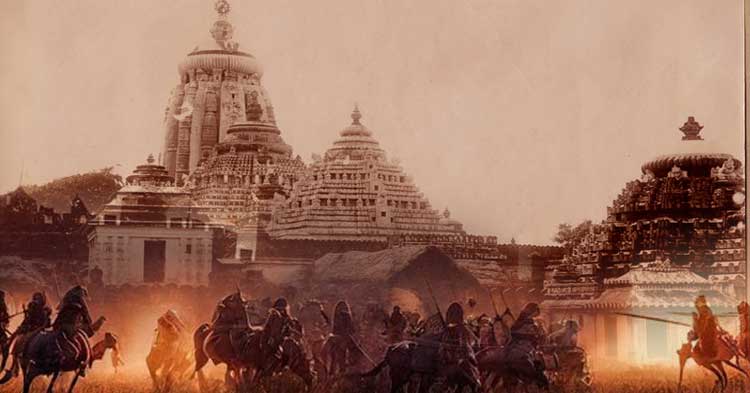
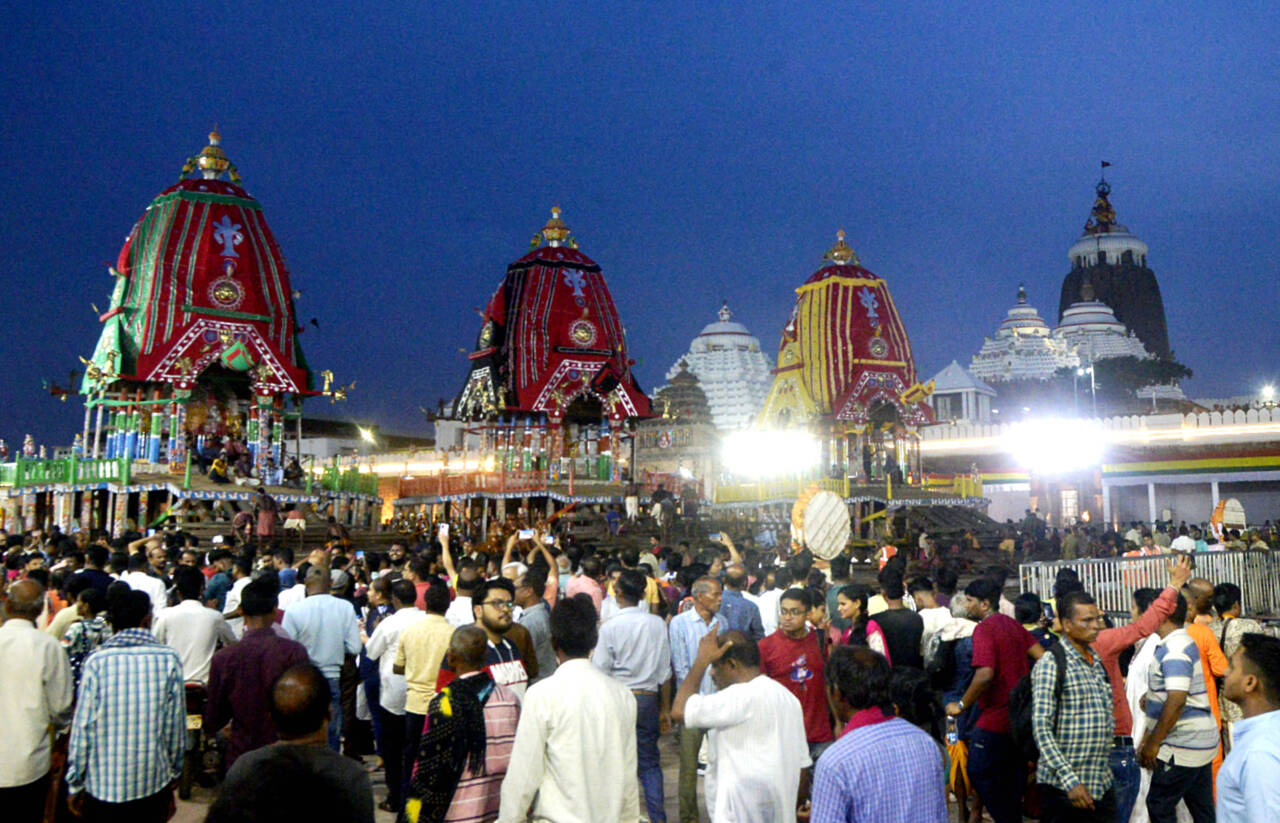
The Jagannath Temple in Puri | Image Source: Ommcom News
During the 16th century, Odisha was facing turbulent incidents, a land caught between devotion and an invasion. This dates back to when Odisha was ruled by the great Gajapati Dynasty under Raja Mukundadeva. In his kingdom, he had a most trusted and strongest commander named Rajiv Lochan Ray, who was born as Barendra into a Brahmin family. His duty was to defend the land of Odisha and its sacred sites and traditions. But something unexpected happened that the kingdom of Gajapati and the land of Odisha had never experienced. The invasion of Jagannath Puri temple | Image Source: Facebook
Around the year between 1567 and 1568, Rajiv Lochan Ray abandoned his faith, duty, and services by ditching his loyalty towards the Gajapati Dynasty and King Mukundadeva, and joined hands with the Afghan ruler of Bengal, named Sultan Sulaiman Karrani. Ray fell in love with Sultan’s daughter, named Gulnaaz, also known as Dulari. And thus, Sultan put a condition that if he converted to Islam and joined his forces, then he would accept the marriage to his daughter. Ray eventually agreed to Karrani’s demand and joined the forces of the Bengal Sultanate by converting to Islam with a new name, Mohammad Farmuli, also known as the Kala Pahad.
He gained the higher ranking of the Bengal Sultanate. In the year 1568, Karrani’s army, led by the Kala Pahad, Bayazid, and Karrani himself, marched towards the invasion in Odisha. They fought the war with the Gajapati Army led by Raja Mukundadeva. Raja Mukundadeva fought bravely against the Islamic invaders but unfortunately couldn't resist them for longer and was martyred near Jajpur during the battle. He was betrayed by his own agents, Sikhi and Manai, who showed Kala Pahad the secret jungle path to attack it from the rear. Raja Mukundadeva’s death marked the end of the last sovereign of the Gajapati Dynasty.
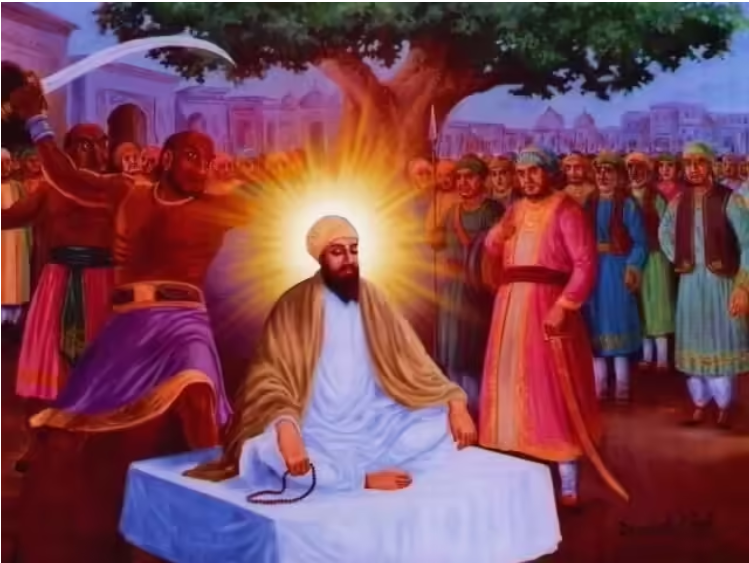
After defeating Raja Mukundadeva, the Bengal Sultanate captured the city of Cuttack and then marched towards Puri, home to the Jagannath Mandir. The Bengal Sultanate army vandalised the temple halls, ritual instruments were smashed, and smaller idols were desecrated. 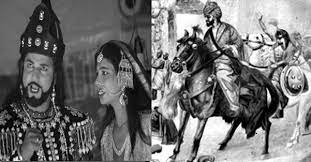
After a few years, King Ramachandra Deva I, founder of the Bhoi dynasty, rose to prominence. Around 1575 to 1577, he restored the temple, reinstalled the deities through the sacred Navakalevara ritual, and revived the Rath Yatra. His efforts earned him the title "Abhinava Indradyumna", also known as the “new mandir builder,” echoing the legendary king who first established Jagannath worship centuries earlier. It was the tale of betrayal and ambition, of how a commander’s choices scarred a kingdom and silenced its most sacred festival. Yet it is also a story of resilience of priests who protected their gods, and of a king who restored faith.