
Railway Platform Tickets: Rise of Satyapal, Rowlatt Act: A Prelude to Jallianwala Bagh

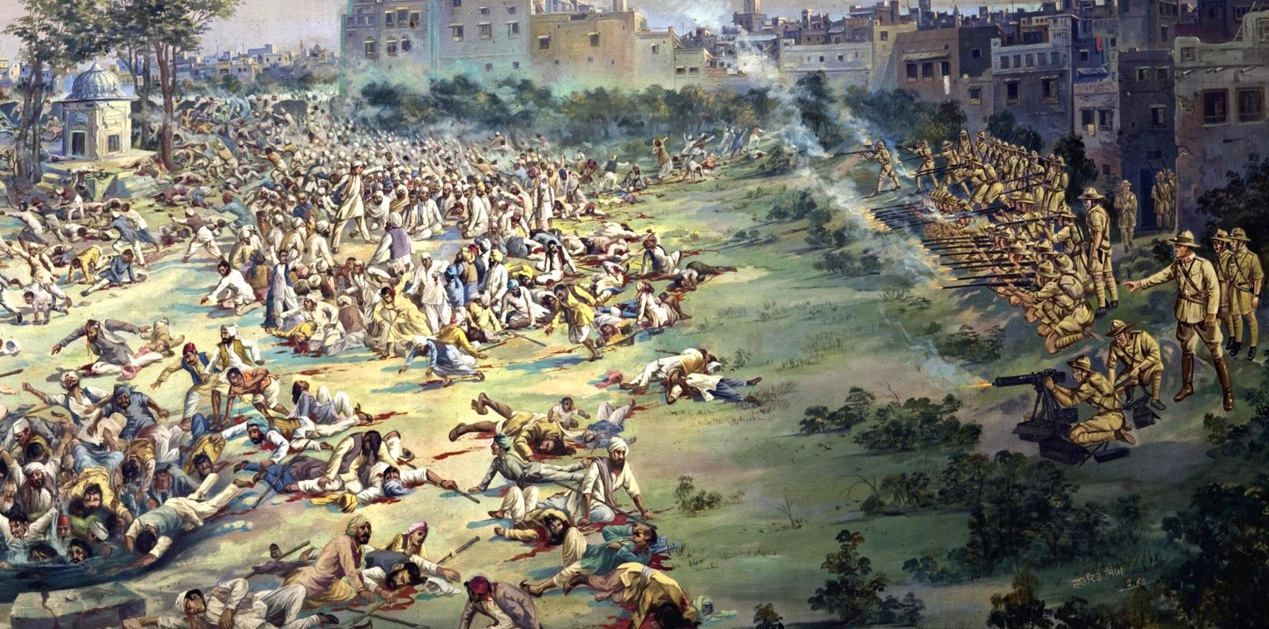
A Yale University book blog has it that the association between Dr. Satyapal and railway platform tickets in India is a fascinating, but often overlooked chapter of the Indian independence movement. One such story is the rise of Dr. Satyapal and his role before the Rowlatt Act protests. It serves as the prelude to the infamous Jallianwala Bagh massacre.
The Context: Dr. Satyapal’s Early Activism
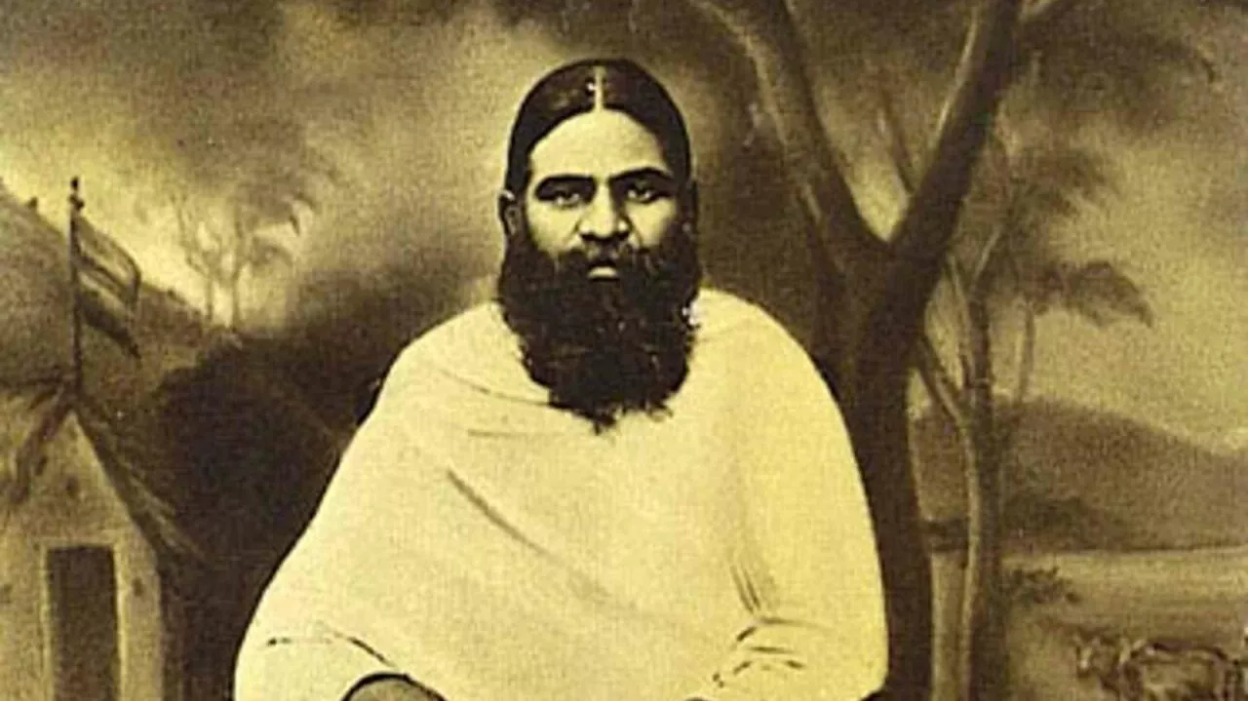
Dr. Satyapal (1885–1954) was a prominent physician and freedom fighter in Amritsar. Before he became a national figure alongside Dr. Saifuddin Kitchlew during the anti-Rowlatt Act agitations, he gained local popularity through his protests against the British Indian Railways.
The Platform Ticket Agitation (1919)
In early 1919, the British authorities at the Amritsar Railway Station implemented a discriminatory policy regarding platform tickets.
The Issue: The railway authorities began strictly restricting the entry of Indians onto the railway platforms. They either refused to sell platform tickets to "native" Indians or charged exorbitant prices to discourage them from seeing off or receiving their relatives.
The Reason: The British claimed this was to prevent "overcrowding," but it was widely viewed as a racial measure, as Europeans were allowed free or easy access.
The Protest: Dr. Satyapal took up this cause. He argued that it was a basic right for family members to assist travelers, especially given the chaotic nature of train travel at the time. He organized meetings and led a peaceful agitation against the Station Superintendent and the railway administration.
Connection to Jallianwala Bagh
This local success in the railway protest established Dr. Satyapal as a charismatic leader in Amritsar.
Rise to Prominence: The success of the platform ticket agitation made him and Dr. Saifuddin Kitchlew the "face" of the city’s resistance.
Anti-Rowlatt Movement: When the Rowlatt Act (which allowed for detention without trial) was passed, these two leaders spearheaded the protests in Punjab.
The Arrest: On April 10, 1919, the British Deputy Commissioner, fearing their influence, summoned them to his house and secretly arrested them, spiriting them away to Dharamsala.
The Massacre: The news of their arrest triggered violent clashes in Amritsar. Three days later, on April 13, 1919, a massive crowd gathered at Jallianwala Bagh to protest their arrest and celebrate Baisakhi, leading to the brutal firing ordered by General Dyer.
Historical Significance
The platform ticket protest is significant because it showed how everyday colonial grievances—like railway discrimination—were used by leaders like Dr. Satyapal to mobilize the masses for the larger cause of Swaraj (self-rule). It was the local "spark" that built the trust necessary for the massive national movement that followed.

.png)