2020 Galwan Valley Clash and Limits of Idealism: India’s View of Disarmament in a Dangerous Neighbourhood

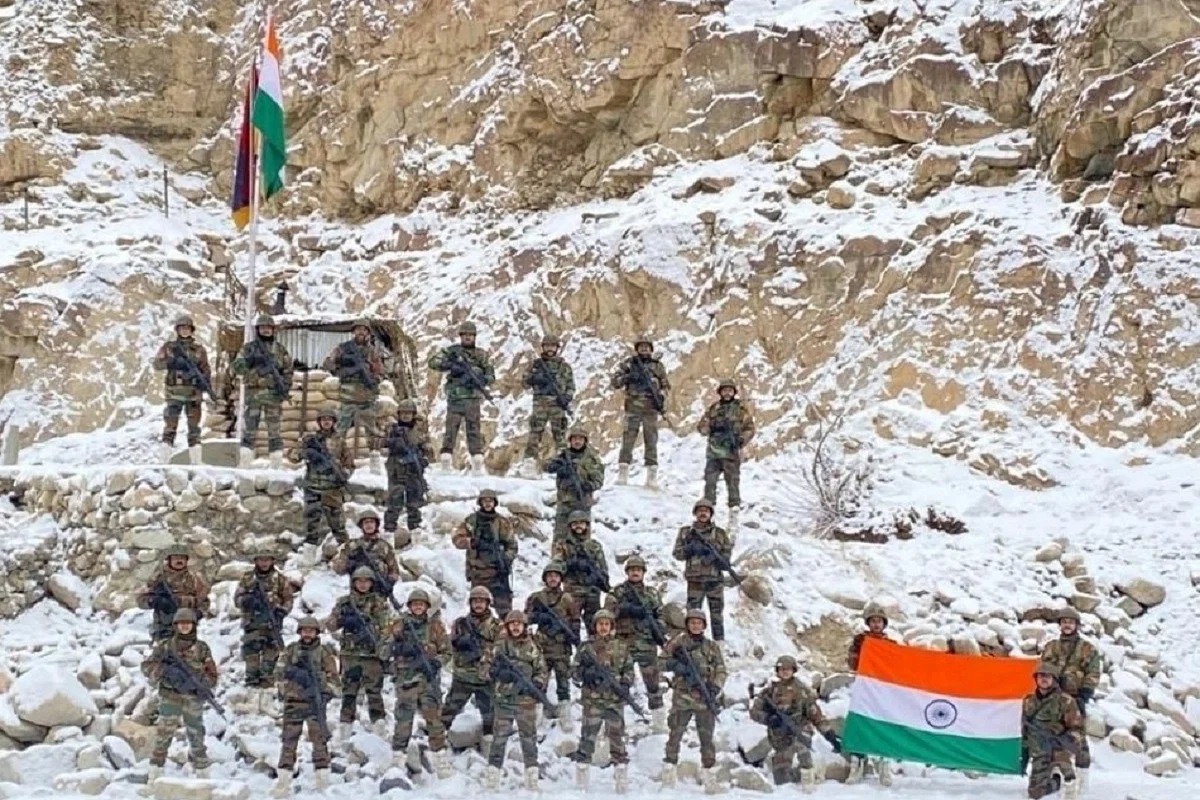
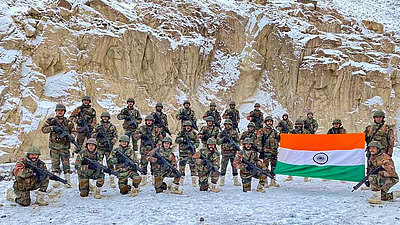
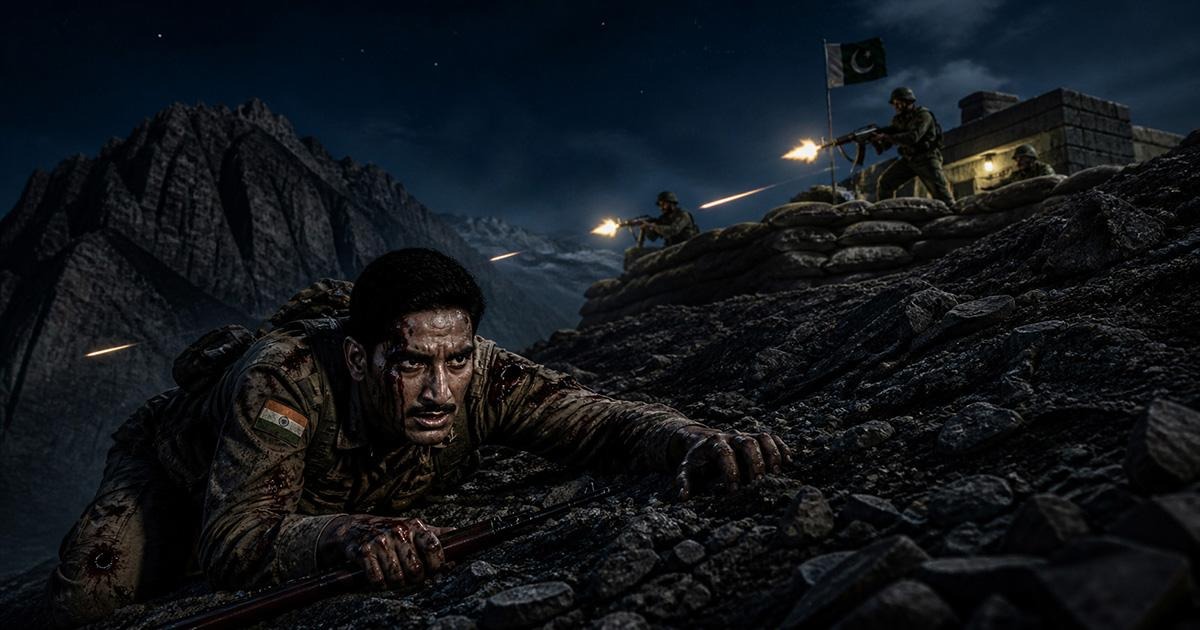
On June 15, 2020, the high-altitude Galwan Valley in eastern Ladakh became the site of the deadliest clash between Indian and Chinese forces in more than four decades. Soldiers fought with stones, rods, and improvised weapons. No shots were fired, despite both sides being armed — a consequence of confidence-building agreements signed in 1993 and 1996 restricting the use of firearms along the Line of Actual Control (LAC). The confrontation raised an uncomfortable question: Can all wars be fought like this — restrained, improvised, and contained? Galwan suggested that escalation can be controlled under specific conditions. But it also underscored how rare and fragile such conditions are, especially between nuclear-armed rivals.
Each year on March 5, the world observes the International Day for Disarmament and Non-Proliferation Awareness under the auspices of the United Nations. The message is clear: Reduce arms, prevent proliferation, move toward peace. For India, the distance between Galwan and Geneva is not rhetorical. It is strategic.
The Global Ideal

Non-violence statue in front of the UN Headquarters in New York | Image Soure: disarmsecure.org
The modern disarmament framework is rooted in the Treaty on the Non-Proliferation of Nuclear Weapons (1968), which recognised five nuclear-weapon states and sought to prevent further spread while encouraging eventual disarmament. Subsequent agreements, including New START (2010), attempted to cap deployed strategic arsenals among major powers. The United Nations’ annual observance reinforces the aspiration of gradual reductions and responsible stewardship.
Yet the global nuclear order remains asymmetrical. As of 2026, open-source estimates suggest:
United States: ~5,000 warheads
Russia: ~4,300+
China: ~500+ and expanding
India: ~160–180
Pakistan: ~170
Israel: ~80–100 (undeclared)
For countries operating under alliance umbrellas, disarmament debates often unfold within institutional security guarantees. India’s circumstances differ.
Geography and Strategic Compulsion
India’s security environment is defined by proximity. To its north and east lies China, with whom it shares an unsettled boundary and a history of conflict dating back to 1962. To its west lies Pakistan, with whom it has fought wars since 1947 and continues to experience border tensions and proxy conflict.
Unlike NATO members, India does not operate under a collective defence treaty. Its doctrine has therefore evolved around strategic autonomy — the principle that national security must rest primarily on indigenous capability rather than alliance dependency. In policy discourse, this approach is sometimes articulated through strategic frameworks such as Operation Sindoor, emphasising credible minimum deterrence and independent decision-making.
From 1998 to 2020: Deterrence in Practice
India’s nuclear posture took definitive shape after its tests in May 1998, followed by the articulation of a doctrine built on credible minimum deterrence and a declared No First Use pledge. Galwan in 2020 became an illustration of deterrence operating quietly in the background. While conventional troops clashed violently, nuclear realities constrained escalation beyond a threshold. Firearms were withheld not because of weakness, but because prior agreements — underwritten by mutual recognition of catastrophic consequences — made wider conflict irrational. Yet Galwan also proved that the absence of gunfire does not eliminate danger. The clash resulted in fatalities and a prolonged military standoff. It showed that restraint can prevent catastrophe — but cannot substitute for preparedness.
Operation Sindoor and Strategic Autonomy
India’s evolving deterrence architecture includes the Agni ballistic missile series, BrahMos supersonic cruise missiles, layered air defences like S-400 and Akash, and expanding naval capabilities — all calibrated for minimum deterrence against coercion, not expansion.
Operation Sindoor (May 7-10, 2025) exemplifies this autonomy in action: Triggered by the April 22 Pahalgam terror attack killing 26 pilgrims, India launched 14 precision strikes via Rafale jets using SCALP missiles and HAMMER bombs on 9 terror sites in Pakistan and PoK.
After Pakistan's drone-missile retaliation, BrahMos hit 11 airbases, S-400 intercepted threats, and diplomatic leverage via Indus Waters Treaty suspension forced de-escalation —proving smaller, indigenous arsenals enable decisive response without full war or alliance reliance.
The Disarmament Dilemma
The International Day for Disarmament on March 5 highlights an enduring aspiration: A world free of nuclear weapons. India does not reject that aspiration. Its diplomats have repeatedly called for universal, non-discriminatory, and verifiable disarmament. But New Delhi also argues that partial disarmament — where some retain vast arsenals while others are urged to limit themselves — cannot ensure stability.

India arms for survival: Nuclear rivals (China expanding, Pakistan proxy-active), no alliances, and incidents like Galwan (20 dead) or Pahalgam demand credible deterrence —restraint alone fails against aggression exploiting gaps. Galwan demonstrated how quickly local friction can test strategic balances. It also underscored a reality often understated in diplomatic halls: in contested regions, deterrence and restraint coexist uneasily.
Between Idealism and Security
For many nations, disarmament is framed as a moral imperative. For India, it is a conditional objective. Galwan (June 15, 2020) asked whether all wars can be contained without escalation. The annual observance on March 5 reflects the global community’s hope that they can. India’s experience suggests otherwise: peace is not merely declared — it is balanced through inner strength and neighbor’s weaknesses.