Lala Har Dayal: When He Rejected a British Scholarship, but Established His Own Scholarship for Indian Students

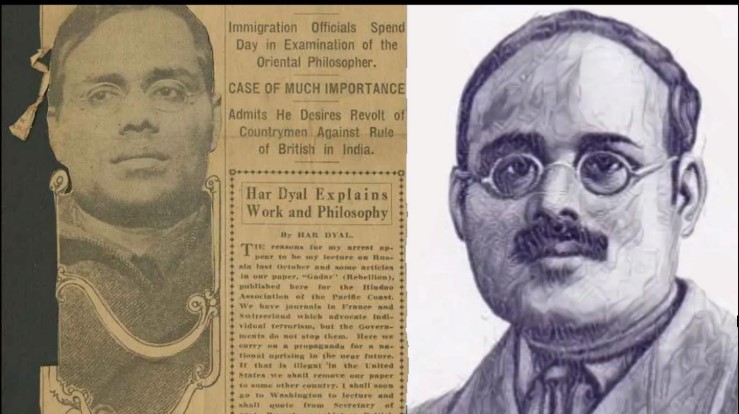
In 1907, at London's prestigious Oxford University, a brilliant young Indian scholar named Lala Har Dayal stood at a crossroads. Top marks guaranteed him a high-ranking job in the British government, complete with wealth and status. Instead, he made a shocking choice. "British education turns us into slaves," he wrote in a defiant letter to authorities. "While my motherland wears chains, this scholarship feels like a crown of thorns. I renounce it." This bold rejection changed Indian history forever.

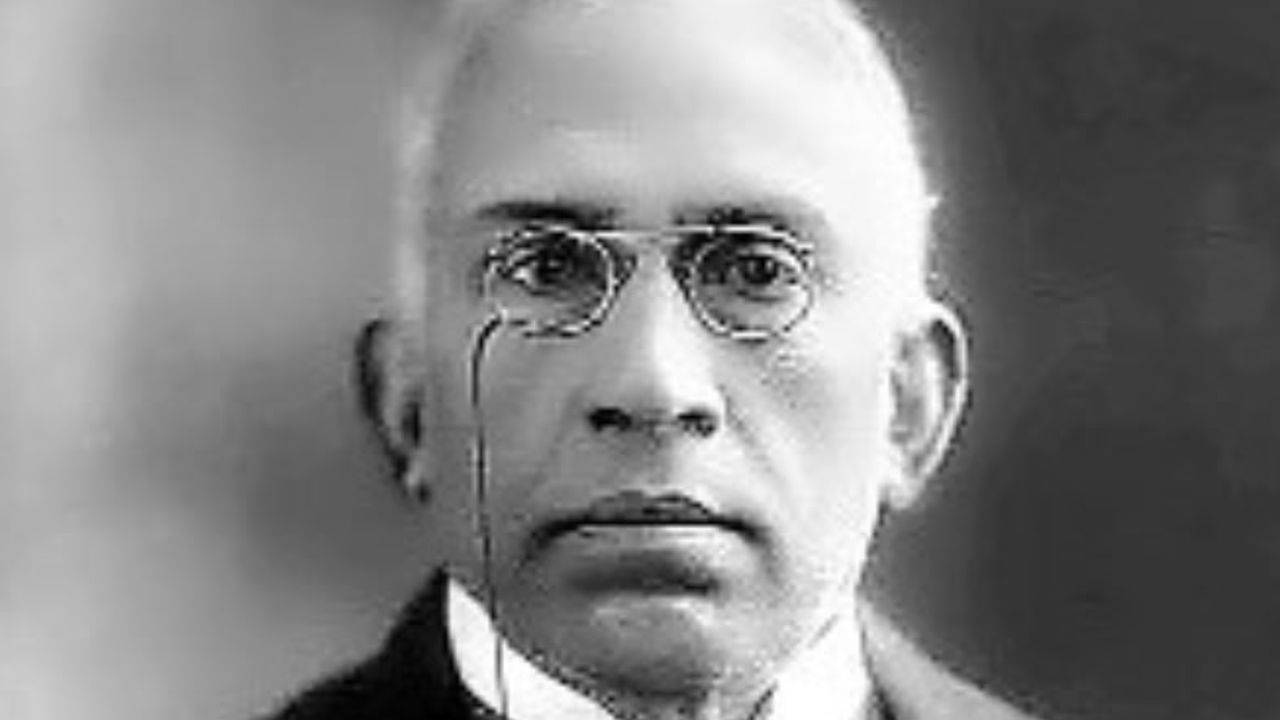
Hardayal Singh in his younger age | Image Source: Wikimedia
Path to Exile
Har Dayal stayed at Oxford on his own dime, diving into revolution at India House—founded in 1905 by Shyamji Krishna Varma. There, he bonded with Veer Savarkar, rallying Indian students against colonial rule. Returning to India in 1908, he shed his wealth to live as a "political ascetic" in Lahore. He launched a magazine exposing British atrocities and awakened youth to the freedom struggle. When arrest loomed, mentors like Lala Lajpat Rai, Bhai Parmanand, and Sardar Ajit Singh advised exile. From 1909, he worked in Paris with Madame Bhikaji Cama on papers like Bande Mataram and Talwar, forging global revolutionary ties before landing in America in 1911.
The Heart: Guru Gobind Singh Scholarships (1911)
At Stockton Gurdwara Sahib—America's first Sikh temple at 1930 S Sikh Temple Street, Stockton, California (Central Valley, 85 miles east of San Francisco)—Har Dayal unveiled his master plan. On December 27, Guru Gobind Singh's birth anniversary, as kirtan filled the 1912-built wooden hall built by Punjabi pioneers like Jawala Singh, he addressed weary immigrant laborers toiling in nearby cane fields.
Wealthy "Potato King" Jawala Singh pledged $600 plus rations from his Stockton farm. Amid thunderous applause, Jawala announced the Guru Gobind Singh Sahib Educational Scholarships—a groundbreaking fund for Indian students.
The Vision: Scout 600 promising youth from British India (Hindus, Sikhs, Muslims alike). A committee led by Har Dayal and Sant Teja Singh would select six. They'd get full UC Berkeley tuition, housing at Alston Way, and training in sciences and philosophy to dismantle empire intellectually. Har Dayal's brother-in-law, Gobind Bihari Lal, made the cut. All swore a sacred oath: return transformed, ignite reforms, shatter colonial chains. Jawala Singh—the gurdwara granthi and future Ghadar vice president—personally housed the scholars.
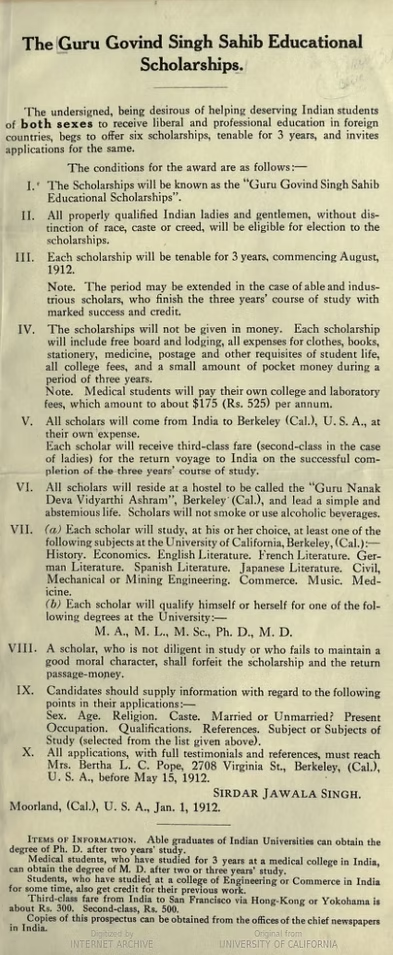
Guru Gobind Singh scholarships | Image Source: Stockon Gurudwara
Legacy Amid Betrayal
World War I shattered the dream: British spies triggered deportations, sending students home in chains. Yet Stockton Gurdwara's spirit endured. This same site birthed Har Dayal's 1913 Ghadar Party, rallying 6,000 Punjabi Sikhs for armed revolt—sparking the 1915 Singapore Mutiny through smuggled newspapers. Today, at 1930 S Sikh Temple Street, the gurdwara revives scholarships for Sikh youth committed to sangat (community), seva (service), and sarbat da bhala (welfare for all).
Har Dayal proved one fugitive's vision in dusty exile could outshine empires: books, not just bullets, topple thrones.
.jpg)