7 Facts About Shaheed Rajguru – The Revolutionary Who Became Immortal at Just 22

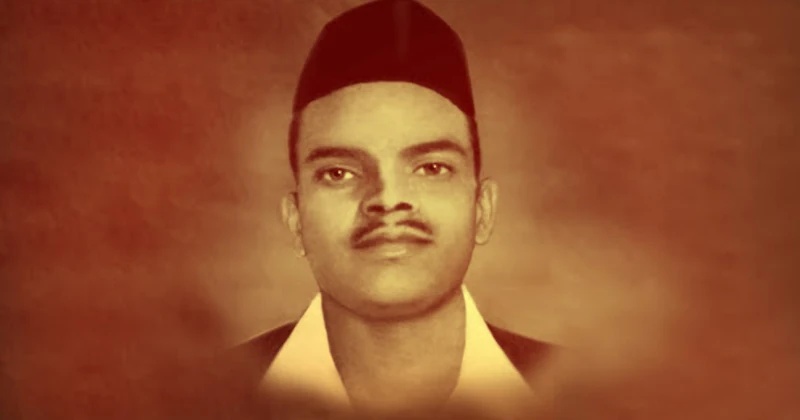
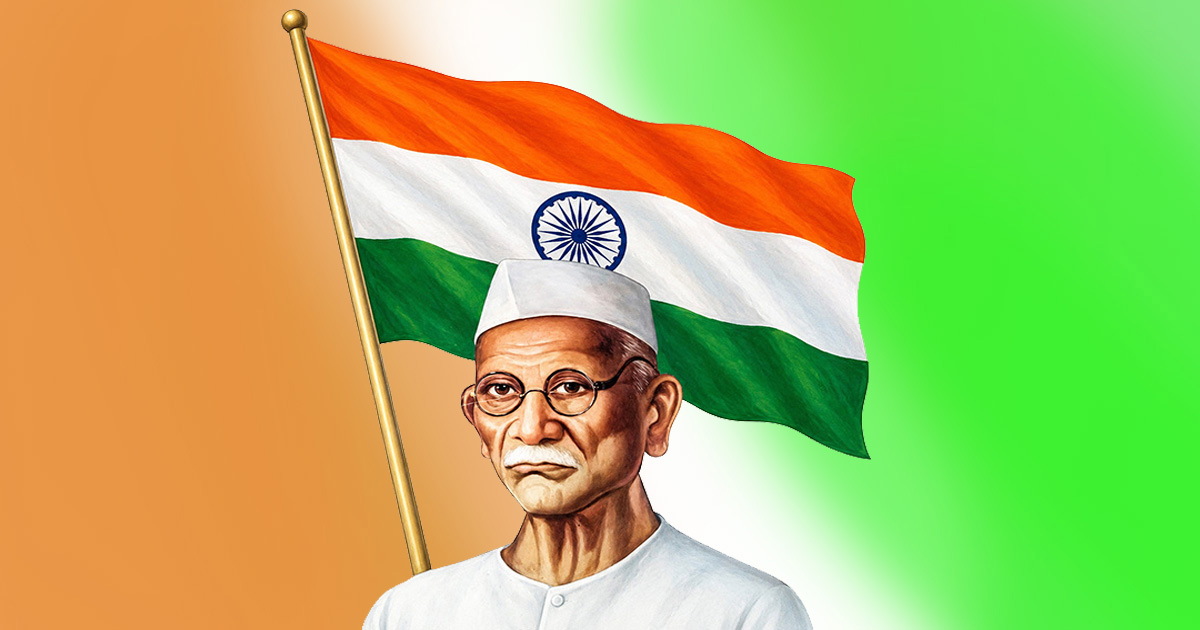
Pune, August 24: Today marks the birth anniversary of Shivaram Hari Rajguru, popularly known as Rajguru, one of the most fearless revolutionaries of India’s freedom struggle. Born on 24 August 1908 in Khed village (now Rajgurunagar), Pune district, Maharashtra, Rajguru became a symbol of youthful courage, sacrifice, and unyielding patriotism against British rule.
Early Life and Childhood
Rajguru was born into a Marathi Brahmin family. His father, Harinarayan, passed away when he was only six years old, leaving his upbringing in the care of his mother, Parvati Bai, and elder brother Dinkar. His mother, a devout follower of Lord Shiva, named him Shivaram as a blessing from the deity.
From a young age, Rajguru displayed traits of fearlessness and wit. He was deeply disturbed by the atrocities of the British on Indians and was drawn towards the revolutionary path rather than conventional education. At just 14, after failing an English exam and facing humiliation from his brother, he left home with only 11 paise in his pocket. This incident took him to Kashi (Varanasi), where he immersed himself in Sanskrit studies and came into contact with revolutionaries.
Rajguru was also passionate about physical fitness, wrestling, and marksmanship. Inspired by Chhatrapati Shivaji’s guerrilla warfare and the nationalist ideals of Lokmanya Tilak, he firmly believed that India’s freedom could only be achieved through armed struggle—an ideology opposite to Mahatma Gandhi’s philosophy of non-violence.
Entry into the Revolutionary Movement
In 1924, at just 16, Rajguru joined the Hindustan Socialist Republican Army (HSRA) under the influence of Chandrashekhar Azad. Known by the alias Raghunath, Rajguru soon earned the reputation of being the HSRA’s “gunman” due to his exceptional shooting skills.
The HSRA, founded in 1928 by Bhagat Singh, Azad, and others, was committed to establishing a socialist republic in India. Its members believed that British imperialism could not be overthrown by non-violence, but only by revolutionary means. Rajguru’s dedication was such that he once deliberately touched a red-hot iron rod with his bare hands to prepare himself for police torture.
The Saunders Assassination – 1928
One of the defining moments of Rajguru’s life came on 19 December 1928, when he, along with Bhagat Singh and Sukhdev, assassinated British police officer J.P. Saunders in Lahore. The act was carried out to avenge the death of Lala Lajpat Rai, who had succumbed to injuries inflicted during a protest against the Simon Commission. Though Saunders was not the intended target, the revolutionaries declared that they had avenged Rai’s death.
Following the assassination, Rajguru attempted to escape to Nagpur but was eventually captured by the British.
Lahore Conspiracy Case and Execution
Rajguru was later tried under the Lahore Conspiracy Case, alongside Bhagat Singh and Sukhdev. On 7 October 1930, all three were sentenced to death. Despite widespread protests and appeals for clemency, the British government expedited the execution.
On 23 March 1931, a day before the scheduled hanging, the three revolutionaries were executed at Lahore Central Jail. Rajguru was just 22 years old at the time of his martyrdom.
Unbreakable Bond with Bhagat Singh and Sukhdev
The trio of Bhagat Singh, Rajguru, and Sukhdev became immortal in India’s struggle for independence. Their friendship, unity of purpose, and revolutionary zeal inspired countless young Indians to rise against colonial oppression.
Legacy and Remembrance
Their martyrdom is commemorated every year on 23 March as Shaheed Diwas (Martyrs’ Day) across India. Rajguru’s birthplace, Khed village, has been renamed Rajgurunagar in his honor.
In 2013, the Government of India issued a postal stamp in his memory. His ancestral home has been preserved as a memorial, and the Hutatma Rajguru Memorial Committee organizes annual events on his birth and death anniversaries.
Maharashtra has also proposed an ₹86 crore memorial project, including a museum, research library, auditorium, swimming pool, and training facilities for shooting and archery—showcasing Rajguru’s multifaceted personality as a revolutionary, athlete, and patriot.
An Immortal Son of India
Shivaram Rajguru’s life, though tragically short, remains a blazing example of fearless commitment to the motherland. His sacrifice, along with that of Bhagat Singh and Sukhdev, continues to inspire generations to uphold justice, courage, and the spirit of true patriotism.
.png)