Guru Amar Das Ji: The Great Revolution for Women's Upliftment and Eradicating Caste Discrimination

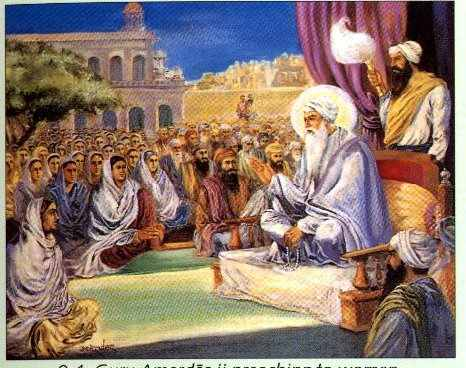
In the 16th century, life for women was extremely difficult. They mostly lived behind the veil. Especially in Muslim society, the practice of purdah was very strict, and even today, it persists in some places. Society was dominated by men—every breath of a woman was tied to the family's honor. If she stepped out, people pointed fingers. Forget talking to male saints; even hearing their voice was considered a sin. The fire of sati pratha burned continuously, and widows
spent their lives in black clothes, drowned in eternal sorrow. Although Guru Nanak Dev Ji had given the beautiful message of equality—"All are one, there is no high or low"—that message had not yet reached every home. But the third Guru, Guru Amar Das Ji, carried this tradition forward and introduced the 'Piri System' for women. What was this system, and how did it grant women equal rights to men? Let's explore it in detail in this article.
At that time, Guru Amar Das Ji ascended the Guruship throne in Goindwal Sahib. Already immersed in devotion, he saw this bitter reality of society. He observed that women were the farthest from the light of religion. Male preachers could not enter their homes due to the strict purdah system and societal rigidity. Women had no opportunity to listen to Gurbani, chant Naam, or participate in the spirit of langar. Guru Ji's heart ached. He thought, if men cannot go to them, why not have women themselves reach other women? From this very idea was born the Piri System—the greatest revolution in Sikh history.
What was the Piri System?
Guru Amra Das ji preaching equality for women | Image Source: Sikhiwiki
The Piri System, introduced by Guru Amar Das Ji in the 1560s, used "piri" (a small charpoy or seat) as a symbol of authority for female preachers. It empowered 52 women out of 146 total preachers - while 94 men served under the Manji System—to lead spiritual outreach exclusively to other women.
How It Advanced Women
These Piri women had full authority to visit homes, teach Gurbani, encourage Naam Simran, promote langar participation, and preach equality, bypassing purdah restrictions that barred male preachers. This was revolutionary, as it positioned women as spiritual leaders for the first time in 16th-century India.
First Major Piri: Bibi Bhani Ji
Guru Ji's daughter, Bibi Bhani - born in Goindwal and devoted to her father's service—became the first prominent Piri. She rallied women in Goindwal and Jalandhar regions, urging them: "Join the sangat openly, abandon purdah, chant Naam, and sit together in langar." Her efforts ignited spiritual awakening in hundreds of women's hearts.

Bibi Bhani Ji, first major Piri | Image Source: Spiritual World
Guru Amar Das Ji's daughter, Bibi Bhani Ji, became the first female leader of this system. Born in Goindwal, she served her father from childhood and deeply understood Gurmatt principles. Guru Ji appointed her as the first Piri. Bibi Bhani taught women in Goindwal and Jalandhar regions to "join the sangat openly, abandon purdah, chant Naam, and participate in langar." Her tireless efforts converted hundreds of women to Sikhism.
Other Major Piris and Their Contributions
Guru Ji's second daughter, Bibi Dani, taught widows to reject sati or fasting and embrace Naam Simran instead. Bibi Pal showed women the true path of sangat. Mai Das Bairagi reached backward and Muslim women in Ludhiana. These women went house-to-house spreading Guru Nanak's teachings—especially crucial for Muslim women, whom male preachers could not access due to purdah.
Transformation in Women's Status
The Piri System completely transformed women's lives. Purdah weakened, women began attending sangat freely, gaining education and religious leadership, and were regarded as equals to men in Sikh society. Practices like sati, caste discrimination, and widow oppression were halted. Hymns by women in the Guru Granth Sahib stand as living proof.
Beyond this, Guru Sahib not only granted women equality but also eradicated inequalities across castes and religions. A prime example is the construction of Goindwal Sahib's Baoli, which will be discussed in detail later.
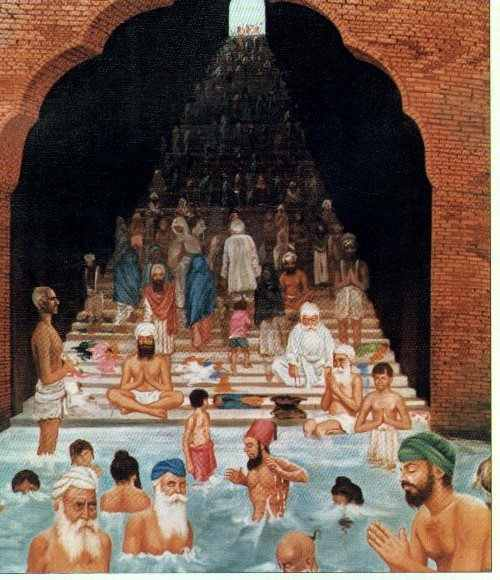
Baoli Sahib constructed by Guru Amar Das | Image Source: Sikhi Wiki
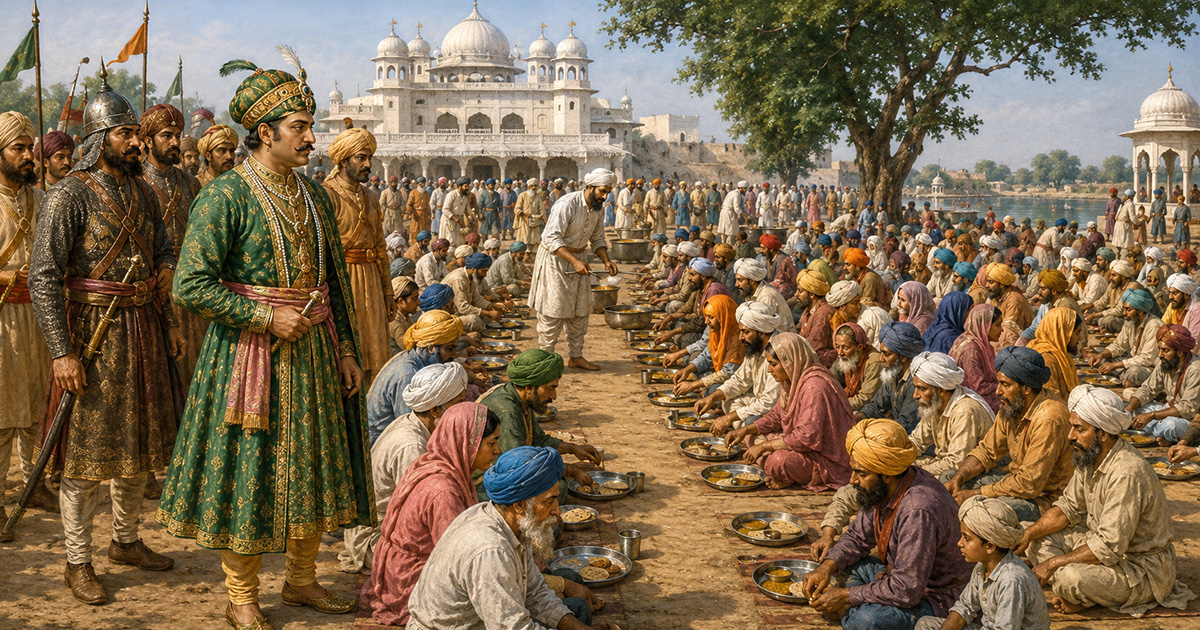
Guru Ji constructed a large baoli in Goindwal. At that time, casteism was at its peak, and people from lower castes could not draw water from public wells. Guru Ji built a shared baoli where there was no distinction of high or low. Everyone drew water from the same place. The baoli was built with 84 steps. Guru Ji instructed to recite Japji Sahib on each step and bathe, which would grant liberation from the cycle of birth and death across 84 lakh yonis. During construction, a miracle occurred - a large rock blocked the flow, and water wouldn't emerge. Young Sikh Mank Chand took up the challenge of hammering a peg; water gushed forth rapidly, and he was swept away. Guru Ji called him by name, reviving him, and he was thereafter named Jiver. Women recited Japji daily on the 84 steps, gaining spiritual strength and breaking social bonds. The baoli transformed Goindwal into the Sikhs' first major pilgrimage site.
Role of Piri System and Baoli in Sikhism's Spread
The Piri System placed women at the center, spreading Sikhism not just in Punjab but across India and abroad. It carried Gurbani and Naam Jap to every home, eradicated caste discrimination, and connected thousands of women to the sangat. Later Gurus further strengthened this work.
Guru Amar Das Ji's Legacy and Message,
Guru Amar Das Ji's legacy teaches us today that true religion grows strong through service, equality, and respect for women. The Piri System gave women leadership, while the Baoli eliminated caste barriers to unite everyone. In our time, when gender discrimination and casteism persist, Guru Ji's message remains highly relevant: all are equal, no high or low. Women, too, can contribute by joining society's mainstream. Guru Amar Das Ji's legacy reminds us—chant Naam, serve others, and embrace equality. This is the true power of Sikhism.