The Red Fort Trial of Colonel Gurbaksh Singh Dhillon: When One Case Shook the Foundations of the British Empire

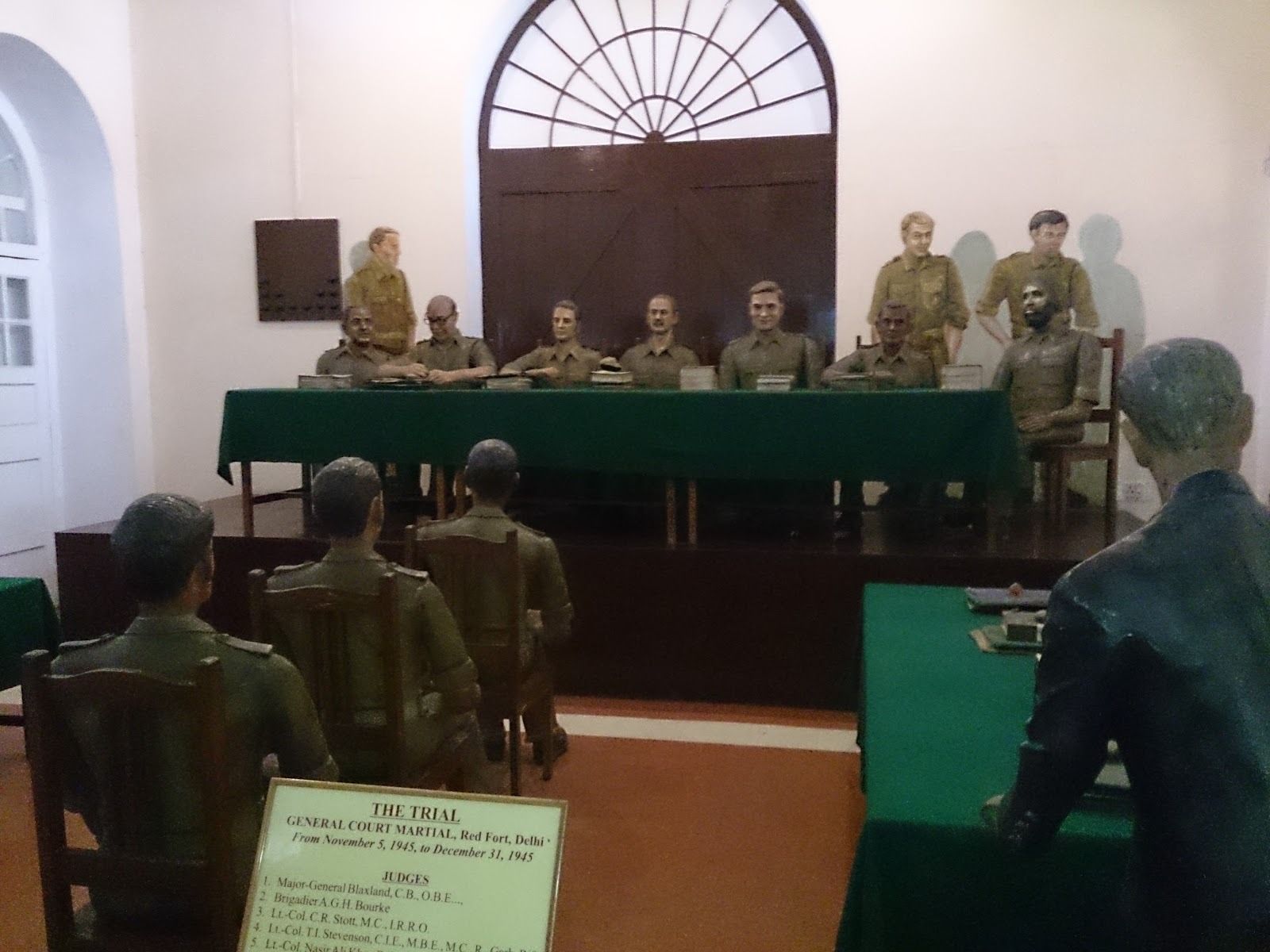
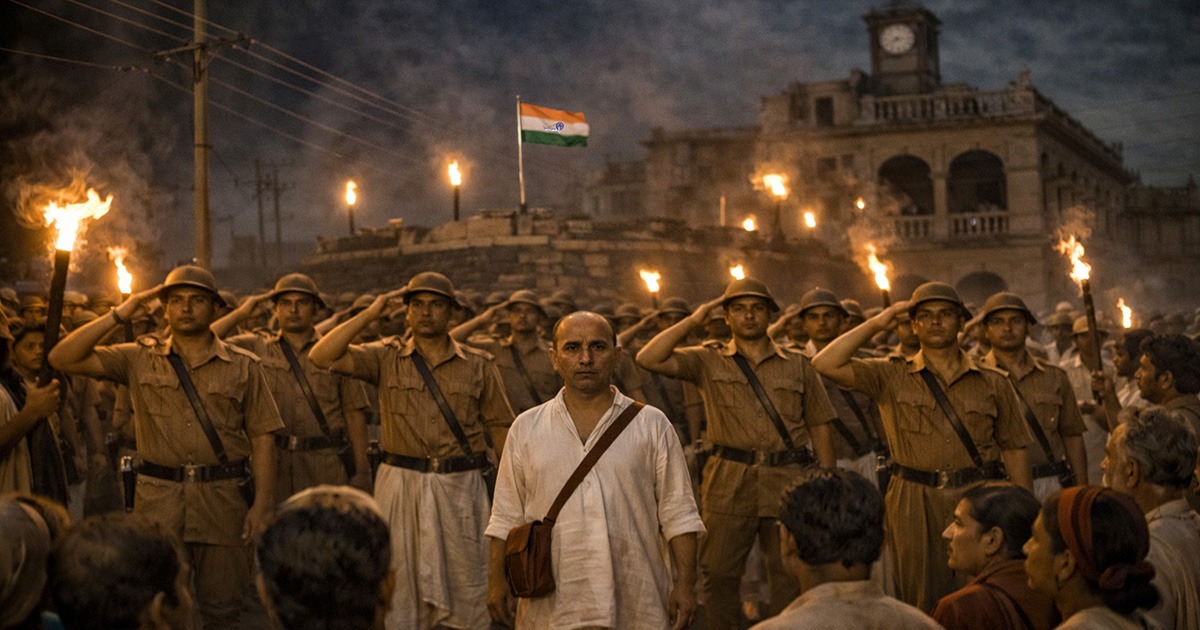
On November 5, 1945, Delhi's air carried a different story altogether. From the ramparts of the Red Fort, the British government staged a mockery of justice, but outside, all of India had already pronounced their verdict on its end. This was the same fort where Mughal invaders' decrees once echoed. Now, the British Empire flaunted its power from the Red Fort. In the dock stood Azad Hind Fauj's Colonel Gurbaksh Singh Dhillon, along with comrades Captain Shah Nawaz Khan, Colonel Prem Kumar Sehgal, and 17,000 other soldiers. This wasn't just a court trial; it was a direct clash between British rule and Indian consciousness—so fearsome that the cruel British Empire was forced, for the first time, to deliver a just verdict.
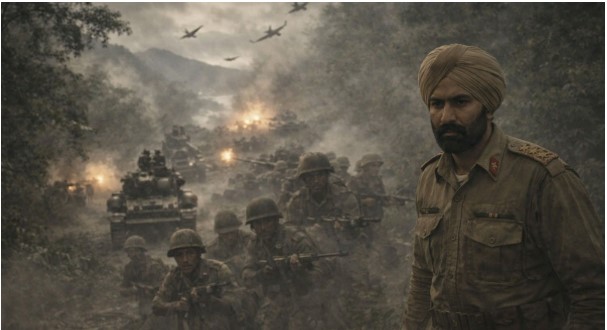
During World War II, Indian soldiers fought alongside the British army against Japan, with many becoming prisoners of the Imperial Japanese Army. When Japan captured Singapore, Subhas Chandra Bose took command of the Azad Hind Fauj in 1943. He gave the slogan 'Delhi Chalo' to liberate India from British rule. Leader Ji successfully incorporated Indian POWs from the Japanese into the Azad Hind Fauj. The INA hoisted the tricolor at Imphal while battling the British army. However, after the Axis powers' defeat, the British regained control of that territory. Then, around 17,000 INA soldiers, including Colonel Dhillon, were arrested and tried at the Red Fort.
The British deliberately chose the Red Fort for the trial of Colonel Gurbaksh Singh Dhillon and his comrades. For them, this fort was not just a military complex but a symbol of their continuous rule over India. Revolutionaries had always aimed to hoist the tricolor atop the Red Fort. By holding the trial there, the British wanted to demonstrate that anyone raising arms against the British Crown would be publicly punished. They charged the Azad Hind Fauj officers with 'treason' to prove it was no liberation army but a group of anti-nationals. They believed this public court-martial would instill fear in Indians.
The British calculation proved entirely wrong. The debate inside the court paled against the fiercer one raging in India's streets, crossroads, and roads. As news of Colonel Gurbaksh Singh Dhillon and his comrades' court-martial spread, the entire nation erupted. Thousands gathered outside Delhi's Red Fort. In cities like Calcutta, Bombay, Madras, Lahore, people took to the streets in anti-British protest marches. College students went on strike, factories halted work. The atmosphere was not just political but deeply emotional. For, while fighting for the Azad Hind Fauj, Colonel Gurbaksh Singh Dhillon, Captain Shah Nawaz Khan, and Colonel Prem Kumar Sehgal had forced the British army to retreat on multiple fronts. Amid reports of Netaji Subhas Chandra Bose's death, Indians saw their image in these three military officers. The enslaved people of India began viewing the Azad Hind Sena as their savior. This channeled years of suppressed anger into a single cause.
The Red Fort Trial began on November 5, 1945, and ended on January 3, 1946, sentencing all INA military officers and soldiers to life imprisonment. The British thought their harsh stance would terrify Indians and suppress rebellion. But the opposite happened. Nationwide outrage grew during this period. Voices rose in support of Colonel Dhillon and all INA soldiers. Streets echoed with slogans: 'Lal Qile Se Aayi Aawaz, Sehgal-Dhillon-Shah Nawaz', 'Chalis Crore Ki Ye Aawaz, Sehgal-Dhillon-Shah Nawaz!', 'Lal Qile Ko Tod Do, Azad Hind Ko Chhod Do!' These weren't mere chants but an open challenge to the fear propping up British rule. At a time when the country, swayed by the Muslim League's separatist ideology, was heading toward Partition, this was a rare moment of unity.
After the British sentenced Dhillon and other INA soldiers to life imprisonment in the Red Fort Trial, intelligence reports warned that retaining such harsh penalties could make the situation uncontrollable. This sympathy wasn't limited to the public. Even in the British-Indian army—the backbone of the empire—Indian soldiers showed anger. Questions arose among troops: If officers like Dhillon are traitors, what is patriotism? Ultimately, Field Marshal Sir Claude Auchinleck had to suspend the life sentences for all INA soldiers. But by then, the trial had indirectly announced independent India.
Birth and Personal Life
Colonel Gurbaksh Singh Dhillon was born on March 18, 1914, in Punjab's Tarn Taran district. In 1936, he was commissioned into the British Indian Army's 14th Punjab Regiment. During World War II, while fighting for the British, he was captured by the Japanese army. Later, in 1942, he joined Netaji Subhas Chandra Bose's Azad Hind Fauj. Netaji entrusted him with command of the Nehru Battalion. His military prowess forced the British army to retreat on several fronts. In 1998, the Government of India honored Colonel Dhillon with the Padma Bhushan. He passed away on February 6, 2006, in service to the nation.

.png)