
The Day the Flag Became the Guru

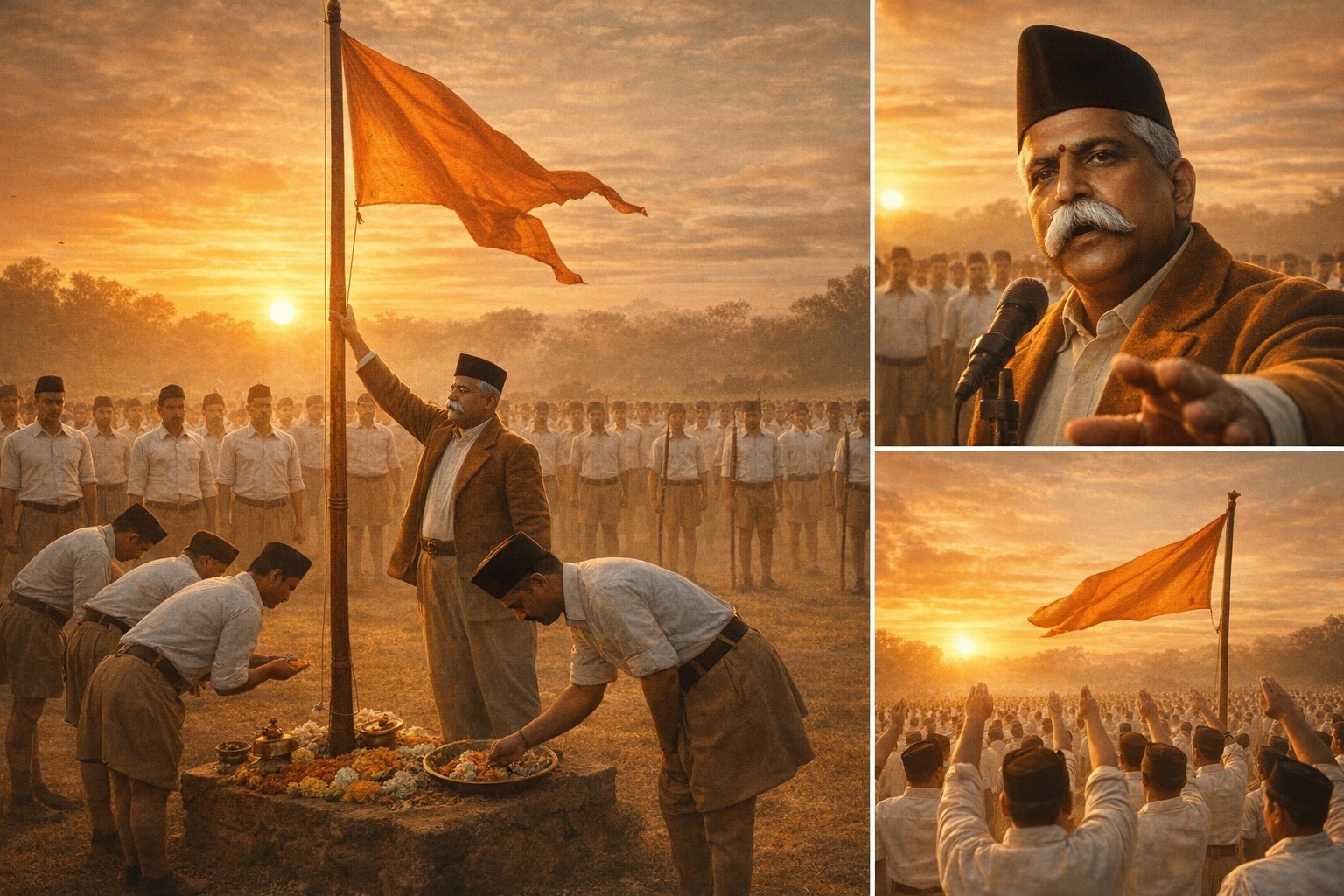
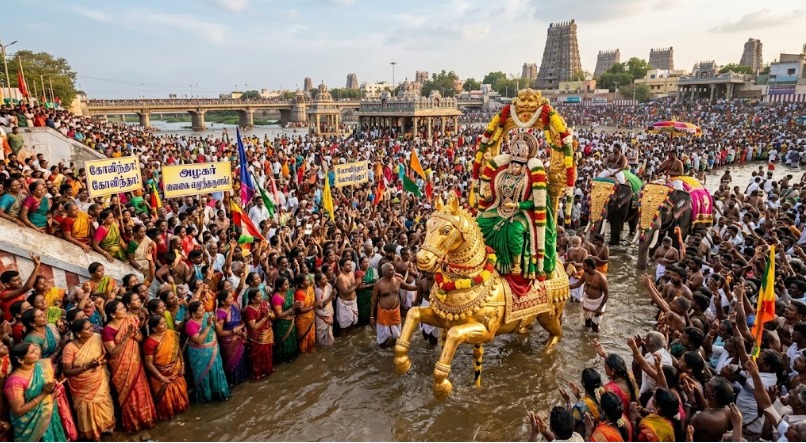
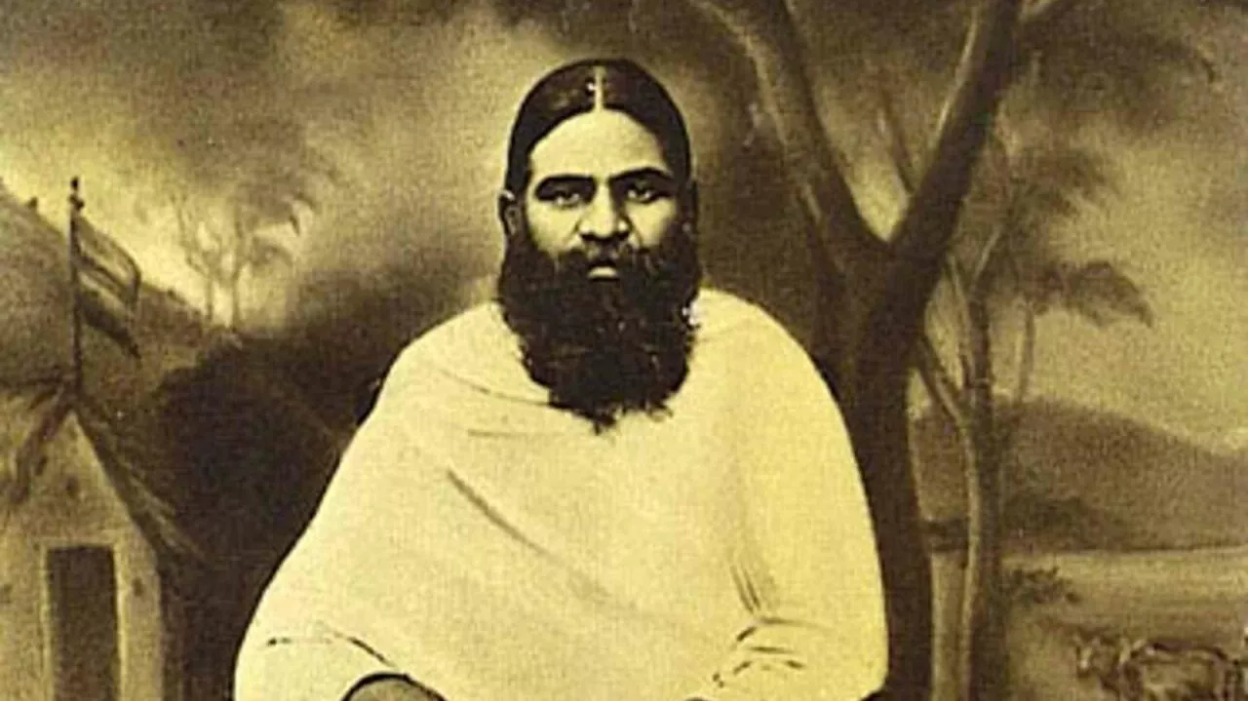
This image is AI-generated
It was 1928. Three years had passed since Dr. Keshav Baliram Hedgewar founded the Rashtriya Swayamsevak Sangh. The organization was still young modest in size, yet firm in discipline and clarity of purpose. Then came Guru Purnima. In Indian tradition, the Guru is honoured on the Purnima (full-moon day) of Ashadh, the fourth month of the Hindu calendar. On this sacred day, disciples bow before their Guru and offer Guru Dakshina in gratitude. For the first time in the Sangh’s history, Guru Purnima was to be observed. Among the swayamsevaks, a quiet curiosity arose.
Who would be the Guru of the Sangh? Would it be Doctorji himself? The day before, Doctorji had given only one instruction: “Tomorrow, come with flowers.” Nothing more. The next day, as the shakha programme began, Doctorji raised the Bhagwa Dhwaj. He then asked every swayamsevak to step forward, offer pranam to the Bhagwa Dhwaj, and place before it flowers along with their dakshina. Then he spoke. Doctor ji delivered a landmark speech.
He declared that the RSS would not recognise any individual as its Guru. Only the Bhagwa Dhwaj deserves this place of highest esteem. However great a person may be, no human being is perfect. Every individual has limitations. No individual is permanent or immortal. But principles endure eternally. The Bhagwa Dhwaj embodies them. "When we see this flag, we see our nation's history, heritage, culture, customs, traditions. Our hearts overflow with pride. This eternal symbol—not any mortal—guides us." It was a defining moment.
On that first Guru Purnima in the Sangh, the total offering amounted to Rs. 84 and a few annas. Someone even offered half a paisa. The amount was small. Yet from that modest beginning grew a tradition that strengthened year after year — just as a river begins with a few drops at its source and gradually becomes mighty. But more than the amount, what was established that day was a principle. The Sangh would not revolve around personality. It would revolve around an ideal. Doctorji did not place himself at the center. He placed the Bhagwa Dhwaj at the center. And in that quiet decision lay the character of the organization for generations to come.

.png)