From 8 Tin Sheds to the Stars: U.R. Rao's Story of Building India's First Satellite, Aryabhatta

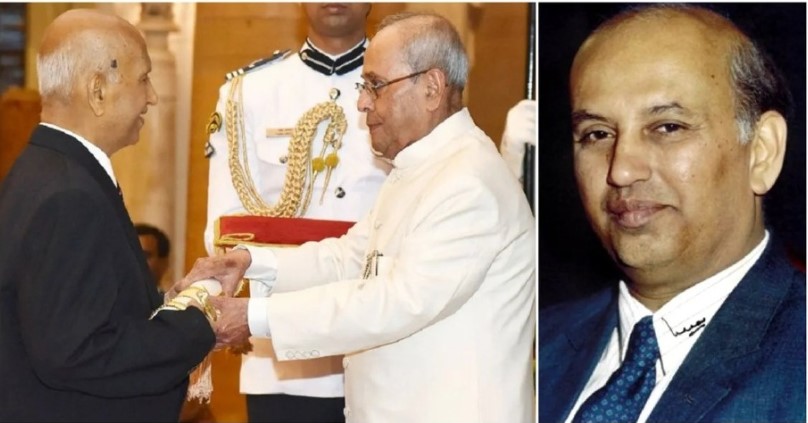
Bengaluru, 1960s – India's space program started in a simple place. It was Peenya Industrial Estate, a dusty area with empty tin sheds. Vikram Sarabhai gave Udupi Ramachandra Rao a big job: build India's first satellite. Rao was born on March 10, 1932. He got help from Karnataka Industries Secretary Satish Chandran. They took four big sheds, each 5,000 sq ft. Two became electronics labs. One was a 1,500-sq-ft clean room to put the satellite together. On Ganesh Chaturthi, September 11, 1972, work started. A small team grew to 150 scientists. They worked day and night.
Work Inside the Sheds
The sheds were basic but busy. Young scientists, aged 20 to 30, built everything by hand. They made antennas, circuits, and solar panels. They learned thermal control, communication, and power systems from scratch. Some parts came from the Soviet Union because India could not make them yet. But the design, testing, and assembly were all Indian.
Getting parts was hard. Rao led a team with TN Seshan from ISRO and scientist YS Rajan. They went to Europe and the US. They bought equipment quickly to save time and money. On July 11, 1974, Prime Minister Indira Gandhi visited. She saw the satellite in the clean room and was impressed.
How Aryabhata Was Made
Aryabhata was special. It weighed 358 kg and had 26 flat sides. Solar panels made 46 watts of power. Cold gas jets kept it steady. It measured cosmic rays and solar radiation. India had no rockets, so the Soviet Union agreed to launch it for free. This deal was made in 1971 in Moscow. After Sarabhai died, Rao explained to PM Gandhi why it mattered: "A free launch lets us start small and build up."
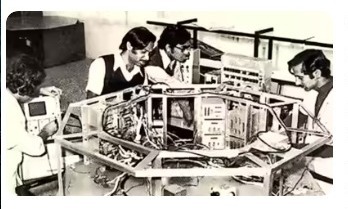
India launched its first satellite, Aryabhata | Image Source: Times Of India
Launch Day: April 19, 1975
Indian scientists worked 40 days in the Soviet Union at Kapustin Yar. During the countdown, they heard "Payyakali!" – Russian for "Let's go!" The Kosmos-3M rocket launched Aryabhata into space. India became a space nation. The satellite worked for four days, sending data back home.
What It Led To
Aryabhata was a big first step. It helped build INSAT for communication, IRS for Earth watching, Chandrayaan for the Moon, and Mangalyaan for Mars. Rao led ISRO from 1984 to 1994. Those eight tin sheds proved India could do great things with little money. Rao's work changed our space program forever.
the
.png)