Jogmaya Malo’s Story: A Birangona Survivor of the 1971 Bangladesh Genocide

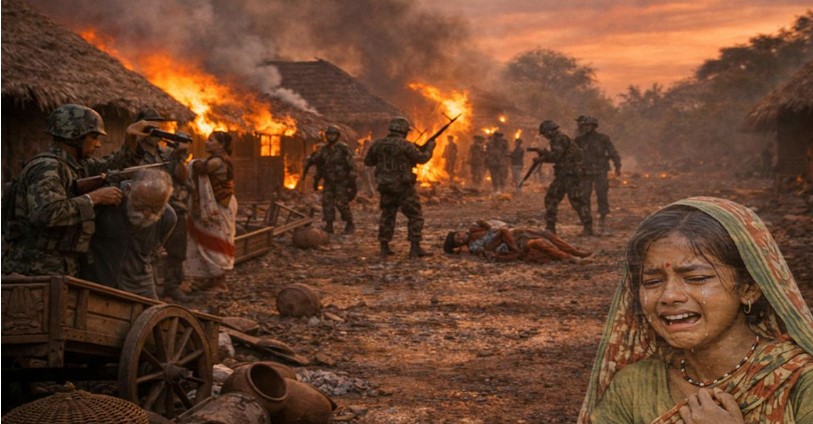
This image is AI-generated
In 1971, a military crackdown that would eventually claim an estimated three million Bengali lives unfolded into a campaign of mass killings, displacement, and sexual violence as Pakistan’s army launched Operation Searchlight to crush Bengali resistance. Alongside students, teachers, and political activists, Bengali women were deliberately targeted. Sexual violence was used not as random brutality, but as a weapon of war.
Among those women was Jogmaya Malo, a teenage girl from a Hindu fishing community in what is now Shariatpur district, southern Bangladesh.
Jogmaya Malo was about fifteen years old in 1971, living in a small Hindu Malo fishing community in what is now Shariatpur district. Her life before the war was quiet and ordinary, with a family, the river nearby, and familiar faces in the village. War was something she had heard about from others, not something she imagined would come to her doorstep. She had no political role, no weapons, and no connection to any movement. She was simply a teenage girl growing up in a rural village.
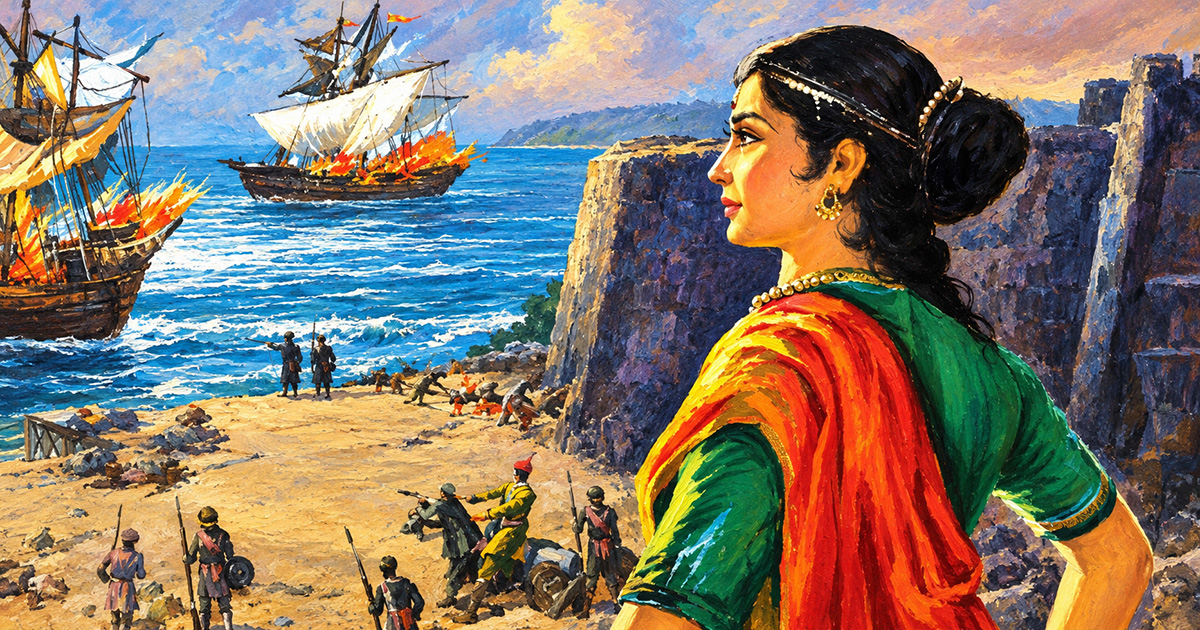
On May 22, 1971, Pakistani occupation forces and local collaborators stormed Madhyapara village in Shariatpur, igniting a brutal massacre, looting, and arson that shattered the Hindu Malo community. Several of Jogmaya's family members fell to bullets or flames, including her father-in-law and brothers-in-law, as screams filled the air amid burning homes. There was screaming, smoke, and confusion. Abducted with around 100 others, she was taken by launch to the A.R. Howlader Jute Mills camp in Madaripur, converted into a torture camp.

Babar Pakistani soldier | Image Source: Herald Dawn
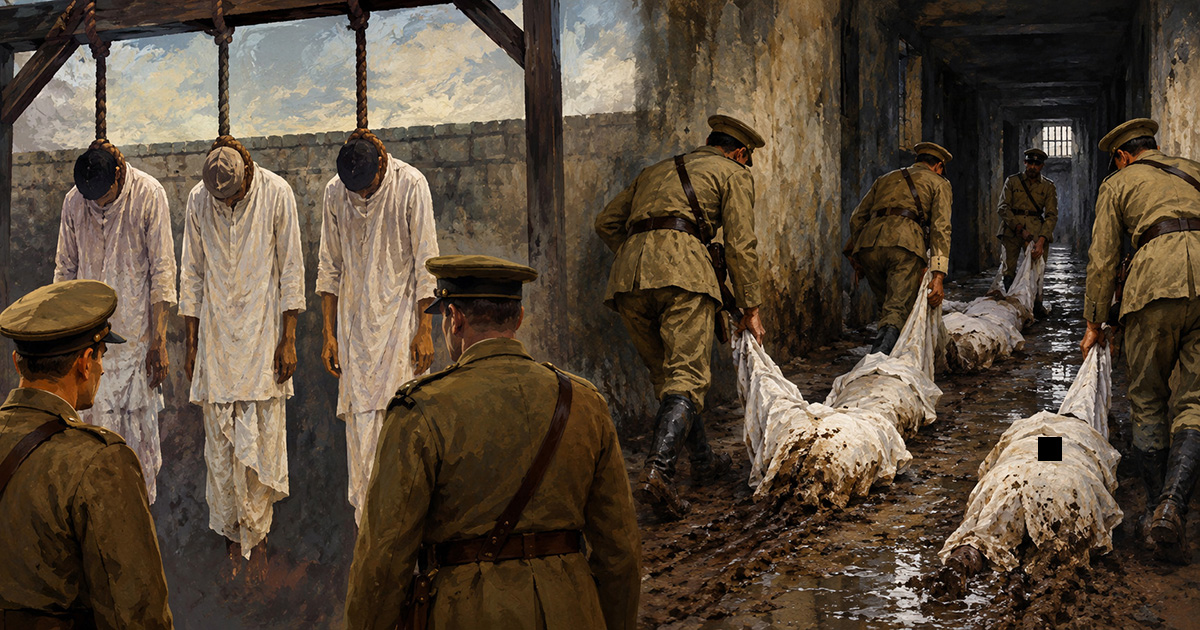
In the stifling Madaripur camp, Jogmaya and others lay packed side by side like corpses in cramped rooms, 20-30 women per space with no ventilation, where air grew thick with despair and disease. Women faced days of sexual violence and inhuman confinement, kept under guard and repeatedly raped; she later recalled that resistance was impossible, silence became a way to survive as hunger, fear, and humiliation followed endlessly. Soldiers entered at intervals for fresh terror, untreated illnesses caused women to die before their eyes, and bodies were discarded without mercy amid starvation. Released after three days, Jogmaya returned to ruins, reuniting with her husband Nepal Malo after his seven-month wait.
During the war, Bengali women were openly dehumanised. Pakistani soldiers referred to Bengali women as “gonimoter maal,” meaning spoils of war. The term reflected how women were treated as property, not people, and how rape was normalised within the violence of 1971. The Pakistani Army and their local collaborators carried out a systematic campaign of genocide, rape, and torture against 200,000 to 400,000 women and girls as part of their war strategy. In 1972, Australian physician Dr Geoffrey Davies arrived in Bangladesh under the United Nations banner after rising suicide rates among raped women drew global attention. His medical team reportedly performed over 100 abortions a day on survivors. This strategy turned women’s bodies into battlegrounds, leaving a deep and lasting scar on Bangladesh’s history.

Birangona Jogmaya Malo | Image Source: BSS News
Cancer ended Jogmaya's life on January 5, 2026, at age 84, her body finally yielding after decades of unhealed wounds. State honors marked her cremation the next day, a guard of honor saluting the war heroine.