1946 Great Calcutta Killings: How Gopal Patha Saved Hindu Families By Building a Network
One of the most important aspects of Patha's efforts was the evacuation of civilians trapped in violence-hit areas.

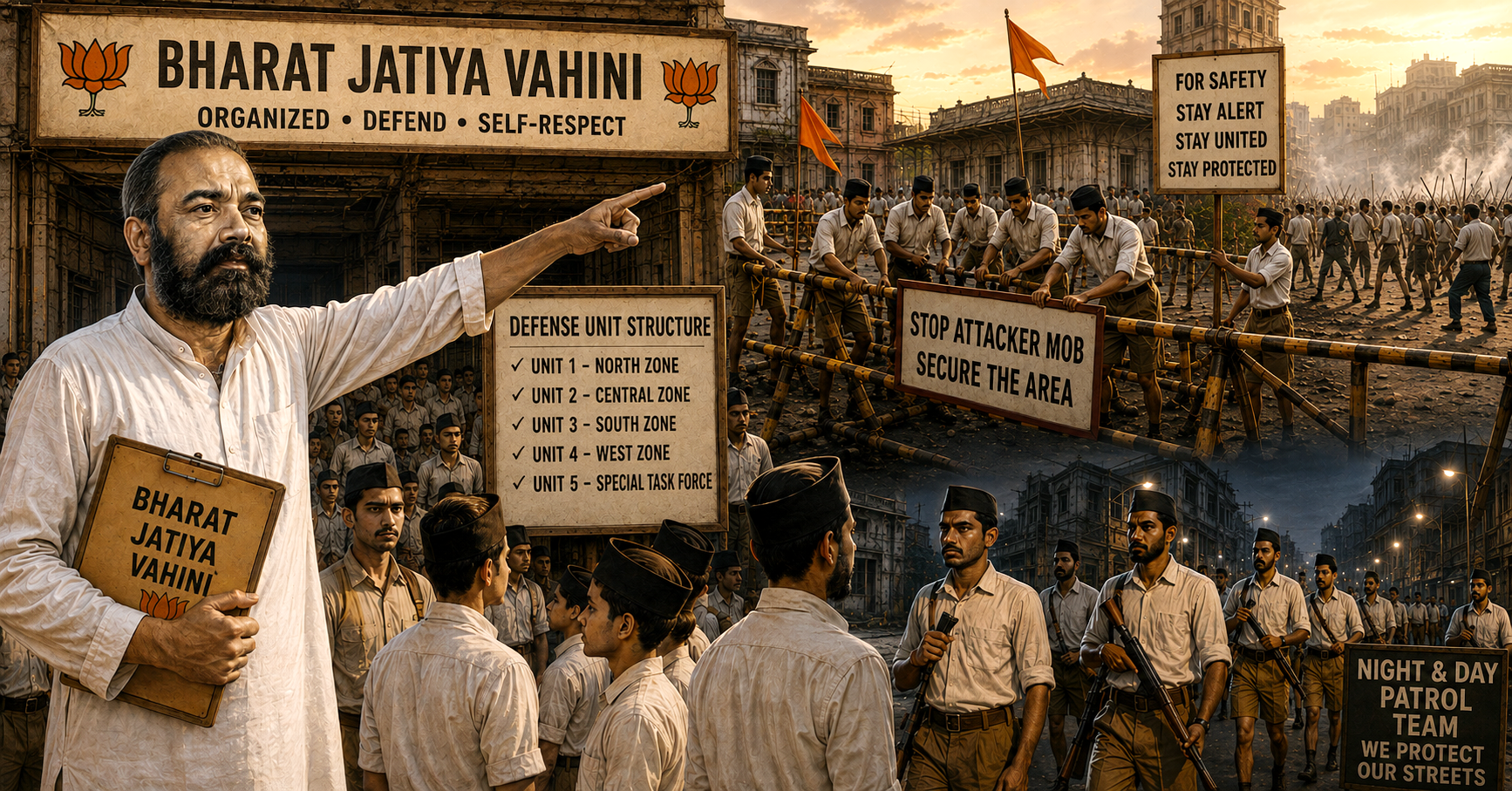
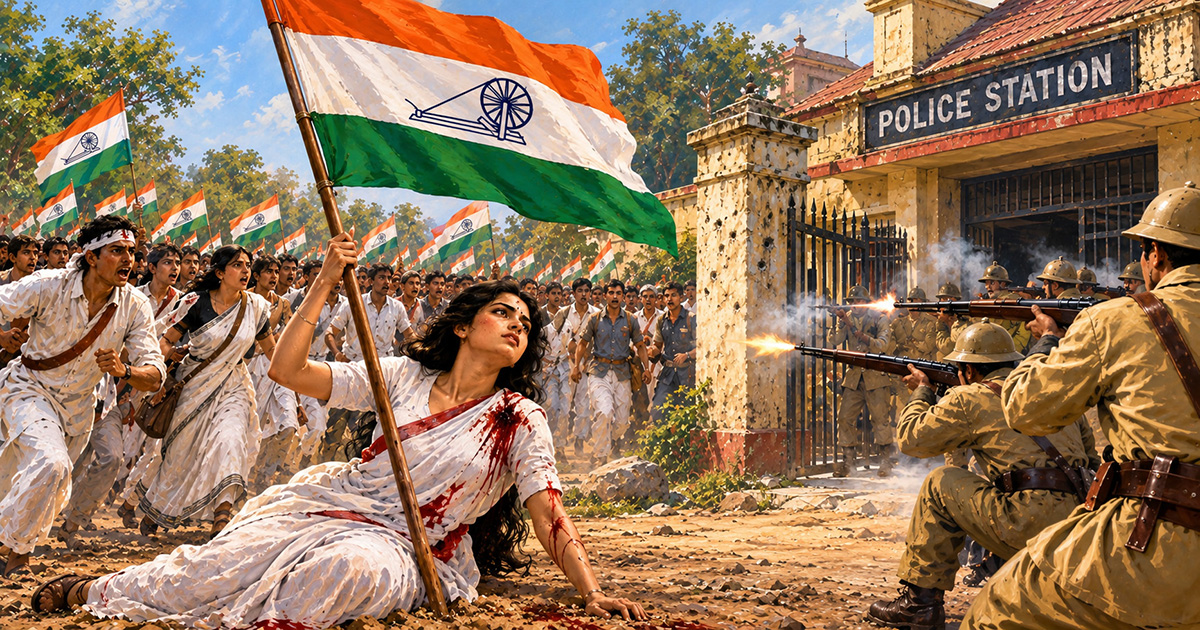
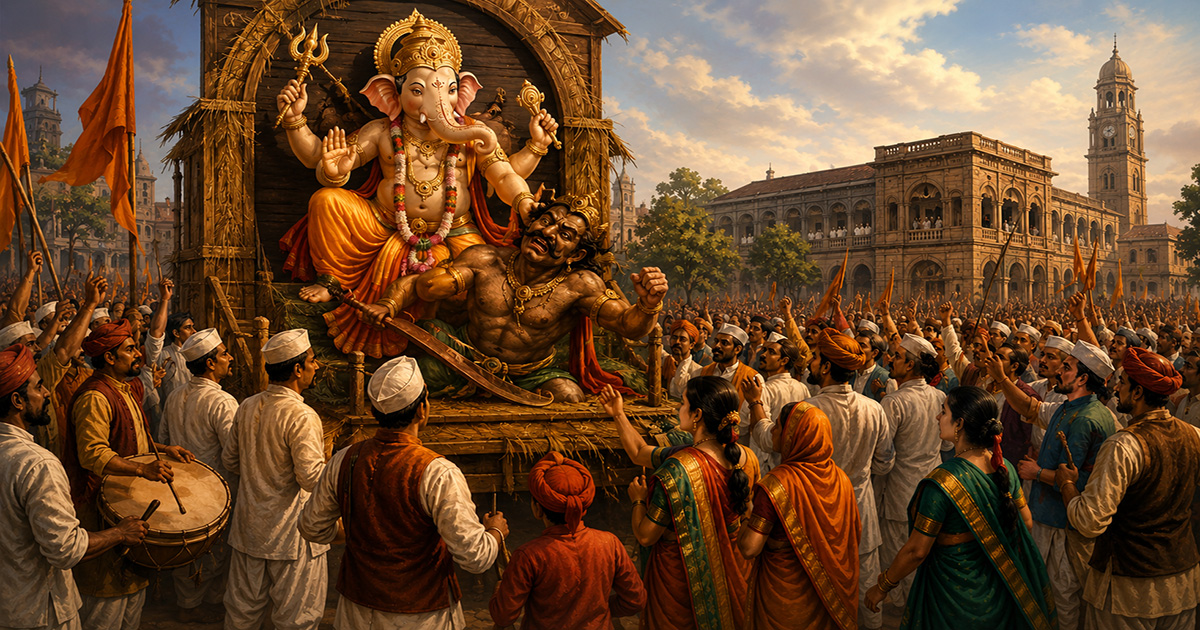
1946 Great Calcutta Killings: How Gopal Patha Saved Hindus | This image is AI-generated
On 16 August 1946, the Muslim League's Direct Action Day turned Calcutta into the epicentre of one of the bloodiest communal riots in India's history. As violence engulfed the city, Hindu neighbourhoods came under attack, shops were looted, homes were burned, and thousands of families found themselves trapped amid the chaos. With the administration overwhelmed and law and order collapsing, survival became the immediate concern for countless Hindus. It was during this period of carnage that Gopal Chandra Mukherjee, popularly known as Gopal Patha, emerged as one of the most prominent figures of Hindu resistance. A resident of Bowbazar and a businessman involved in the meat trade, Patha possessed something many others lacked during those critical days—a well-established network of workers, transporters, and local contacts spread across central Calcutta, which came to an advantage for the Hindus. The network helped in saving them.
As news of attacks on Hindu localities reached him, Patha began mobilising Hindu youths from various parts of the city into Bharat Jatiya Bahini. Volunteers were grouped into organised defence units and deployed to neighbourhoods facing attacks. Barricades were erected at strategic road junctions and entry points to prevent hostile mobs from entering Hindu localities. Armed patrols were established to guard streets throughout the day and night. Patha also helped create a communication system that allowed information to move rapidly between different neighbourhoods. Messengers carried reports of attacks, while vehicles transported volunteers to areas where assistance was urgently required. This network enabled defenders to respond quickly whenever Hindu settlements came under threat.
One of the most important aspects of Patha's efforts was the evacuation of civilians trapped in violence-hit areas. Volunteers escorted women, children, and elderly residents from vulnerable neighbourhoods to safer zones. Families stranded in mixed localities were guided through dangerous streets and relocated to areas where they could find protection.
To sustain these efforts, Patha reportedly received support from local Hindu businessmen and community leaders. Volunteers acquired whatever weapons were available—from lathis and iron rods to improvised defensive weapons manufactured by local blacksmiths. In an environment where official protection was often absent, these resources became crucial for the defence of neighbourhoods under siege.
As organised resistance began to take shape, similar defence arrangements started appearing in other parts of Calcutta. Community patrols, barricades, communication networks, and volunteer groups spread across several Hindu localities. These measures helped prevent further attacks on numerous Hindu neighbourhoods and restored confidence among a population living under constant fear. For many survivors and their descendants, Patha came to symbolise the determination of ordinary citizens to defend their communities when state institutions appeared unable to do so.
Even decades later, Gopal Patha remains a significant figure in the history of the Great Calcutta Killings. His role in organising neighbourhood defence, mobilising volunteers, protecting civilians, and coordinating resistance during one of Calcutta's darkest chapters has ensured his place in the memory of many Bengali Hindus.