How Bhai Daya Singh Carried Guru Gobind Singh Ji’s Zafarnama Across Thousands of Kilometres to Aurangzeb?
This event was the delivery of the Zafarnama, a letter written by Guru Gobind Singh Ji to the Mughal emperor Aurangzeb.

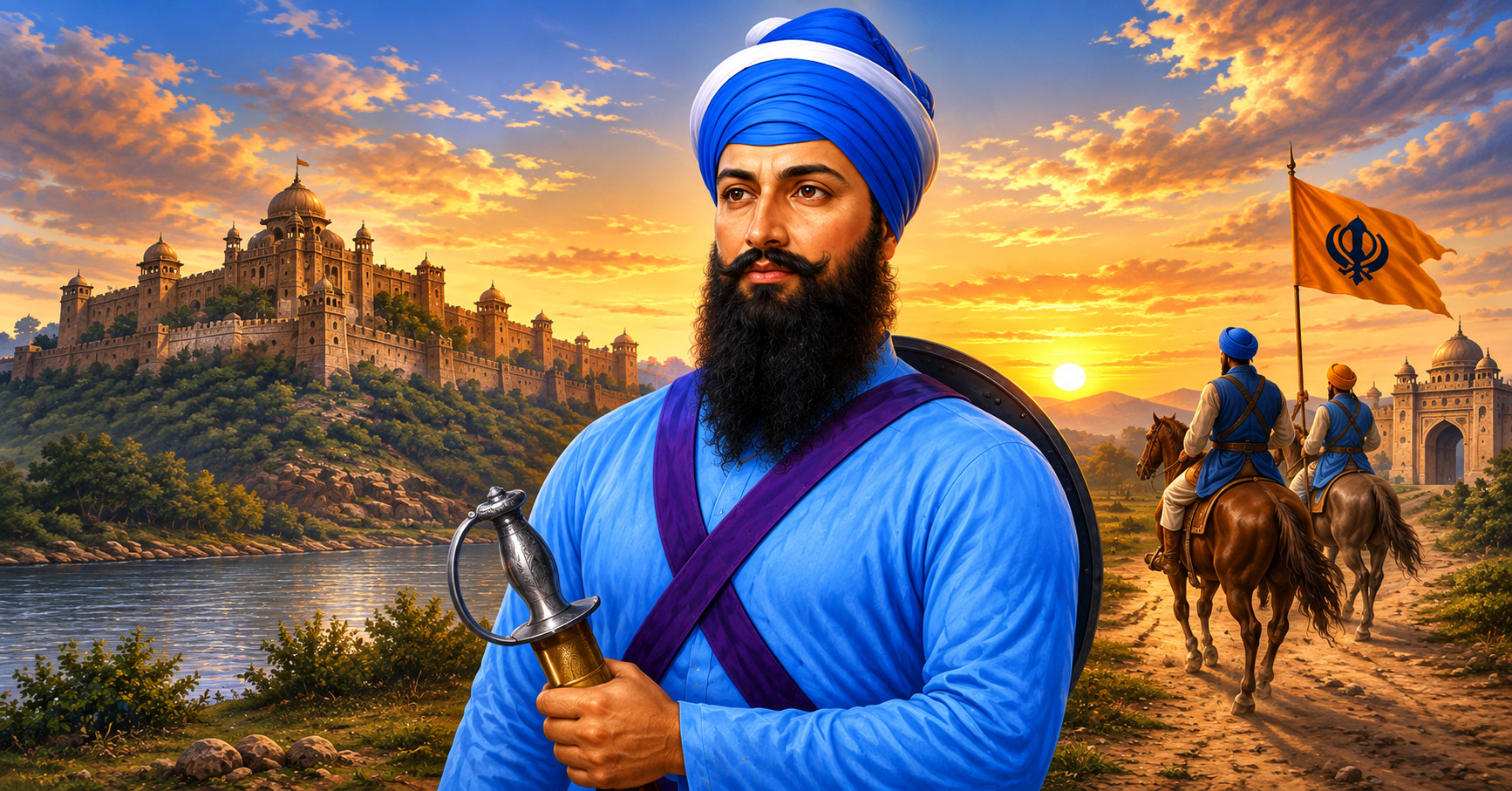
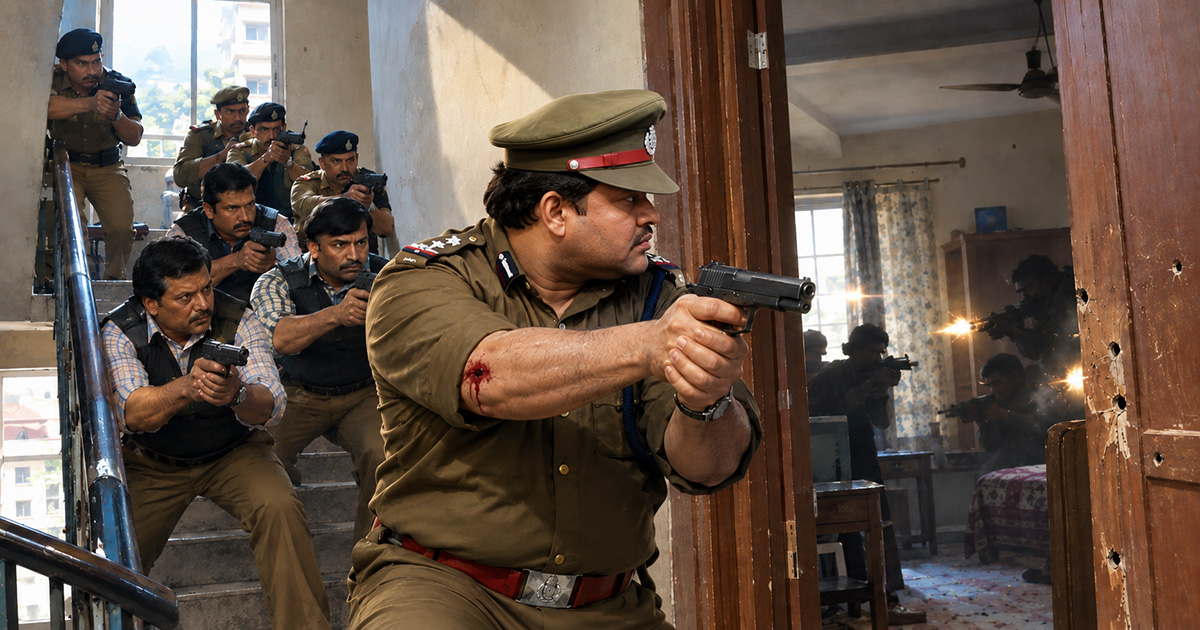
Bhai Daya Singh, one of the original Panj Pyare of the Khalsa Panth | This image is AI-generated
By 1704, the land of Punjab had become a witness to war, betrayal, and extraordinary sacrifice. Following the prolonged siege of Anandpur Sahib, the Battle of Chamkaur, and the martyrdom of Guru Gobind Singh Ji’s four Sahibzadas, it appeared as though the Mughal Empire would crush every force that dared challenge its authority. Yet in 1706, an event took place that not only challenged Aurangzeb’s political power but also questioned the moral legitimacy of his rule. This event was the delivery of the Zafarnama, a letter written by Guru Gobind Singh Ji to the Mughal emperor Aurangzeb. The historic task of carrying this document was entrusted to Bhai Daya Singh, one of the original Panj Pyare of the Khalsa Panth, with Bhai Dharam Singh accompanying him on the mission.
The word Zafarnama means “Epistle of Victory.” Written in Persian, the letter was far more than a message—it was a powerful moral indictment. In it, Guru Gobind Singh Ji reminded Aurangzeb of his acts of treachery, oppression, and the false oaths he had sworn upon the Quran. The Guru accused the emperor of violating his promises and abandoning the principles he claimed to uphold.
Such a letter could not be entrusted to an ordinary messenger. At the time, Guru Gobind Singh Ji was regarded as one of the greatest opponents of Mughal authority, and the empire closely monitored his followers. For this reason, the responsibility was given to Bhai Daya Singh, a trusted and fearless disciple known for his unwavering loyalty.
The mission began in the village of Dina in Punjab, where Guru Gobind Singh Ji was staying after the turbulent events of Anandpur Sahib and Chamkaur. From there, Bhai Daya Singh and Bhai Dharam Singh were instructed to travel south to Ahmednagar in the Deccan, where Aurangzeb had established his imperial camp during the final years of his military campaigns.
The journey was daunting. The distance between Dina and Ahmednagar was nearly 1,600 kilometres. In an age without modern transportation, such a journey demanded immense endurance. The route was not only long but also extremely dangerous. Mughal checkpoints dotted the roads, soldiers patrolled key routes, and authorities were actively searching for followers of Guru Gobind Singh Ji. Discovery could have resulted in immediate arrest, imprisonment, or even execution.
Despite these risks, Bhai Daya Singh accepted the mission without hesitation. He understood that the Zafarnama carried a message of truth and justice. Along with Bhai Dharam Singh, he travelled for months, using horses, footpaths, and lesser-known local routes to avoid detection.
Guru Gobind Singh Ji could have sent the letter through an intermediary or a Mughal official, but he chose not to do so. According to Sikh tradition, the Guru wanted a trusted disciple to personally witness Aurangzeb’s reaction upon reading the letter. He wished to know how the emperor would respond when confronted directly with the truth about his actions. Bhai Daya Singh was therefore not merely a courier—he was also an observer entrusted with reporting the emperor’s response.
After months of travel, the two Sikhs finally reached Ahmednagar. Yet arriving at the city was only half the challenge. Gaining direct access to the Mughal emperor was extraordinarily difficult. Ordinary people rarely received an audience with Aurangzeb, and these messengers represented a man whom the empire considered one of its greatest adversaries.
As a result, several more weeks passed before they were able to secure a meeting. Bhai Daya Singh remained determined, insisting that the letter be delivered directly to Aurangzeb rather than through an intermediary.
At last, the day arrived. Standing before the aging Mughal emperor, Bhai Daya Singh personally handed over the Zafarnama. As Aurangzeb read the document, Bhai Daya Singh carefully observed his expressions. According to Sikh accounts, the emperor’s face changed repeatedly as he moved through the letter. Signs of regret, sorrow, and introspection reportedly appeared as he absorbed the Guru’s words.
The letter reminded Aurangzeb that he had sworn upon the Quran to guarantee safe passage to Guru Gobind Singh Ji and his followers if they evacuated Anandpur Sahib. Yet after they left the fortress, Mughal forces violated that promise and attacked them. Guru Gobind Singh Ji declared that a true ruler is one who honours his word and governs according to justice.
Sikh tradition holds that the Zafarnama deeply affected Aurangzeb. After reading it, the emperor reportedly entered a period of self-reflection and expressed a desire to meet Guru Gobind Singh Ji personally. Some sources suggest that he instructed his officials to treat the Guru with respect and facilitate a meeting between them.
However, fate intervened before such a meeting could take place. On 20 February 1707, Aurangzeb died in Ahmednagar, bringing an end to one of the longest reigns in Mughal history.
The significance of Bhai Daya Singh’s journey lies far beyond the delivery of a letter. He carried truth into the court of the most powerful ruler of his age. At a time when many trembled before Aurangzeb’s authority, Bhai Daya Singh travelled thousands of kilometres through hostile territory to place his Guru’s message directly into the emperor’s hands.
Born in Lahore on 26 August 1669, Bhai Daya Singh left behind an enduring example of courage, devotion, and duty. His perilous journey with the Zafarnama remains one of the most remarkable episodes in Sikh history—a testament to the power of truth spoken fearlessly in the face of empire.