How V.O. Chidambaram Pillai Led 1,700 Workers During the Coral Mill Strike to Rise Against the British Oppression
When the workers of the Coral Mill, in Tuticorin (now officially known as Thoothukudi) in Tamil Nadu, walked out on February 27, 1908, they were fighting for better wages. By the time the strike ended, they had shaken the confidence of the British Raj.

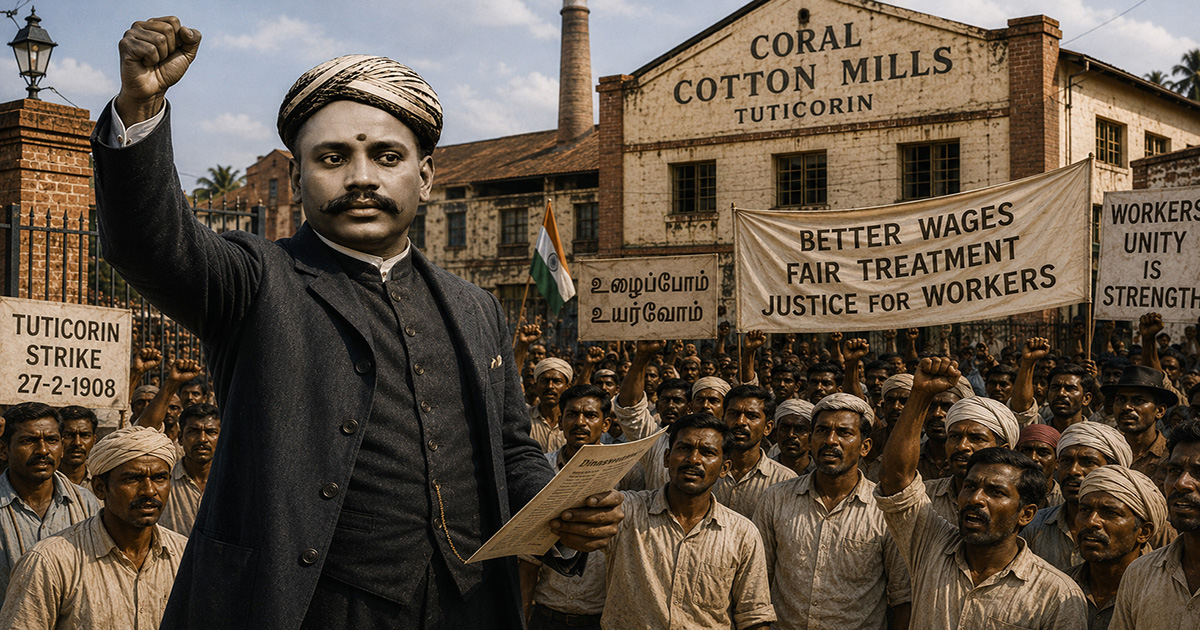
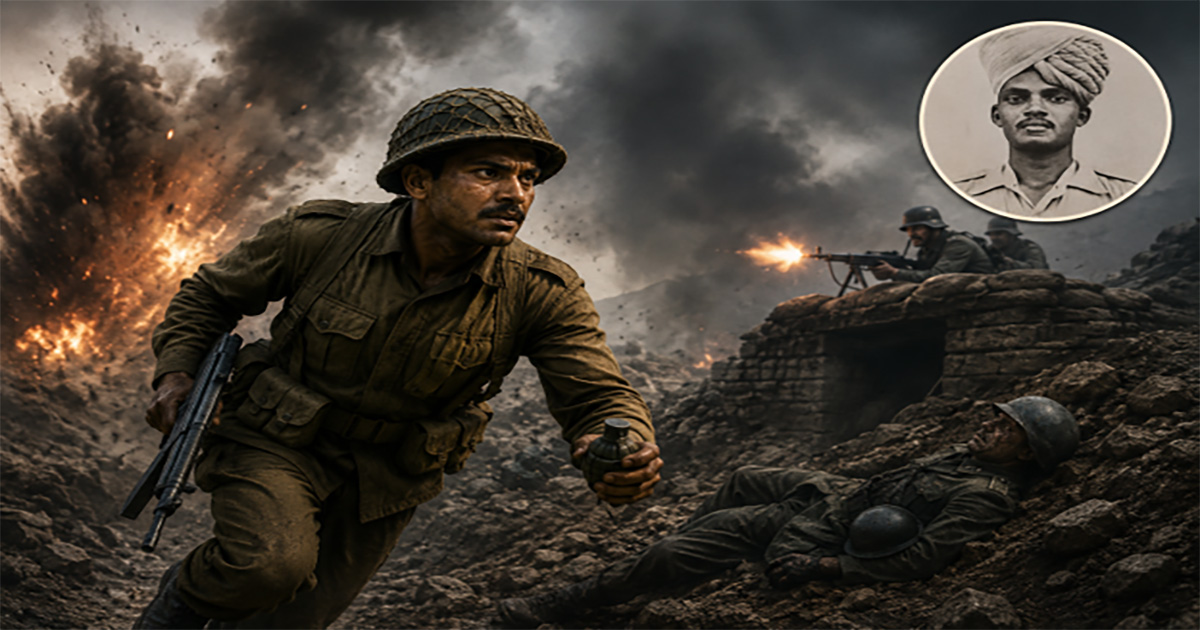
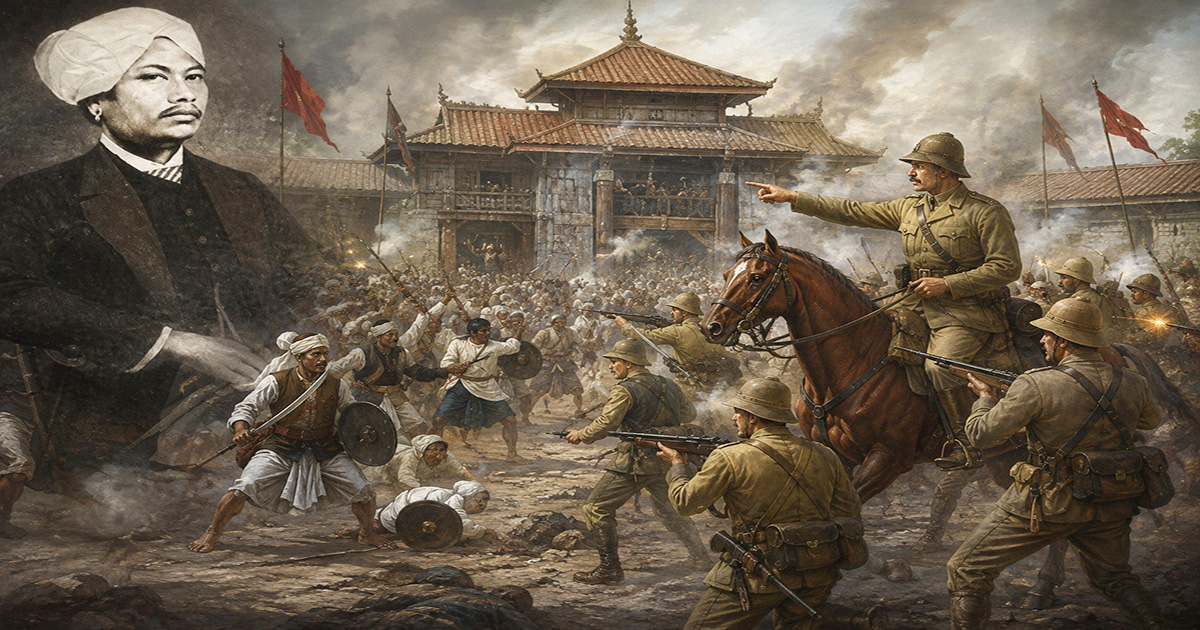
V.O. Chidambaram, the man who led the Coral Mill strikes in Tamil Nadu | This image is AI-generated
When the workers of the Coral Mill, in Tuticorin (now officially known as Thoothukudi) in Tamil Nadu, walked out on February 27, 1908, they were fighting for better wages. By the time the strike ended, they had shaken the confidence of the British Raj. What began as a protest inside a British-owned cotton mill soon united workers, lawyers, traders, peasants, and ordinary citizens across Tuticorin. The man who made that possible was V.O. Chidambaram Pillai (also known as V.O.C.), a legendary Indian freedom fighter, lawyer, and entrepreneur from Tamil Nadu—whose leadership turned a local labour dispute into a crisis for the colonial government.
V.O. Chiddambaram Pillai | Image Source: Press Information Bureau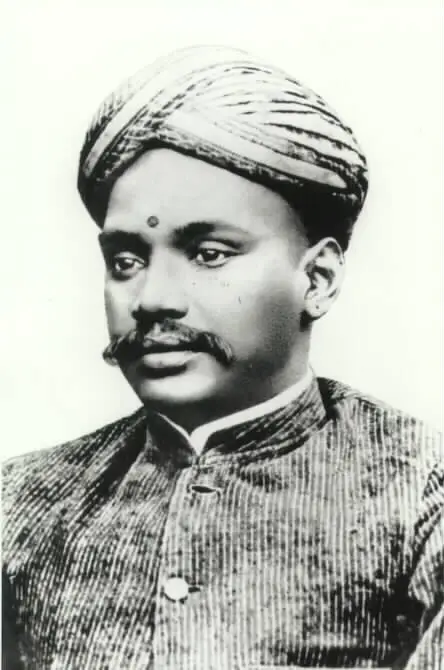
Subramania Siva, the Coral Mill's head clerk, secretly revealed the factory's harsh realities to V.O. Chidambaram Pillai—14-hour workdays, child labour, meagre wages, poor sanitation, the absence of medical care, and labour laws being routinely ignored. Nearly 1,700 workers, almost 59 percent of them teenagers, endured these inhumane conditions every day. Moved by their plight, VOC took up their cause, addressing public meetings that inspired widespread support. Soon, merchants, lawyers, landowners, and peasants rallied behind the workers.
The D-Day for the strike arrived on February 27, 1908, when the workers laid down their tools and went on strike. Raising slogans like “Vande Mataram” and “Swarajyam,” their demands were straightforward: shorter working hours, higher wages, and better treatment. The British administration watched these developments with growing concern. This was no longer simply an industrial dispute. Instead, it had brought along multiple aspects of society, causing fear among the British that if this model spread to other regions, it could inspire similar movements throughout India.
Coral Mill Strike | This image is AI-generated
Thus, a rattled British regime made desperate attempts to break the strike. British agents reportedly went door to door urging workers to return to the factory. Several employees of the British Empire also joined efforts to persuade them to abandon the protest. When persuasion failed, pressure and intimidation followed, but the workers refused to yield. Inspired by the leadership of V.O. Chidambaram Pillai, they vowed not to return until their demands were accepted. The strike held firm, forcing the management to reconsider its position. On March 6, 1908, the breakthrough finally came. The mill's head clerk informed V.O.C. that the management was prepared to negotiate. Accompanied by representatives of the workers, V.O.C. met the company officials to discuss a settlement. The negotiations ended in a remarkable victory. The management agreed to increase wages, reduce working hours, and grant Sunday leave to the workers. For the labourers, it was a victory for dignity.
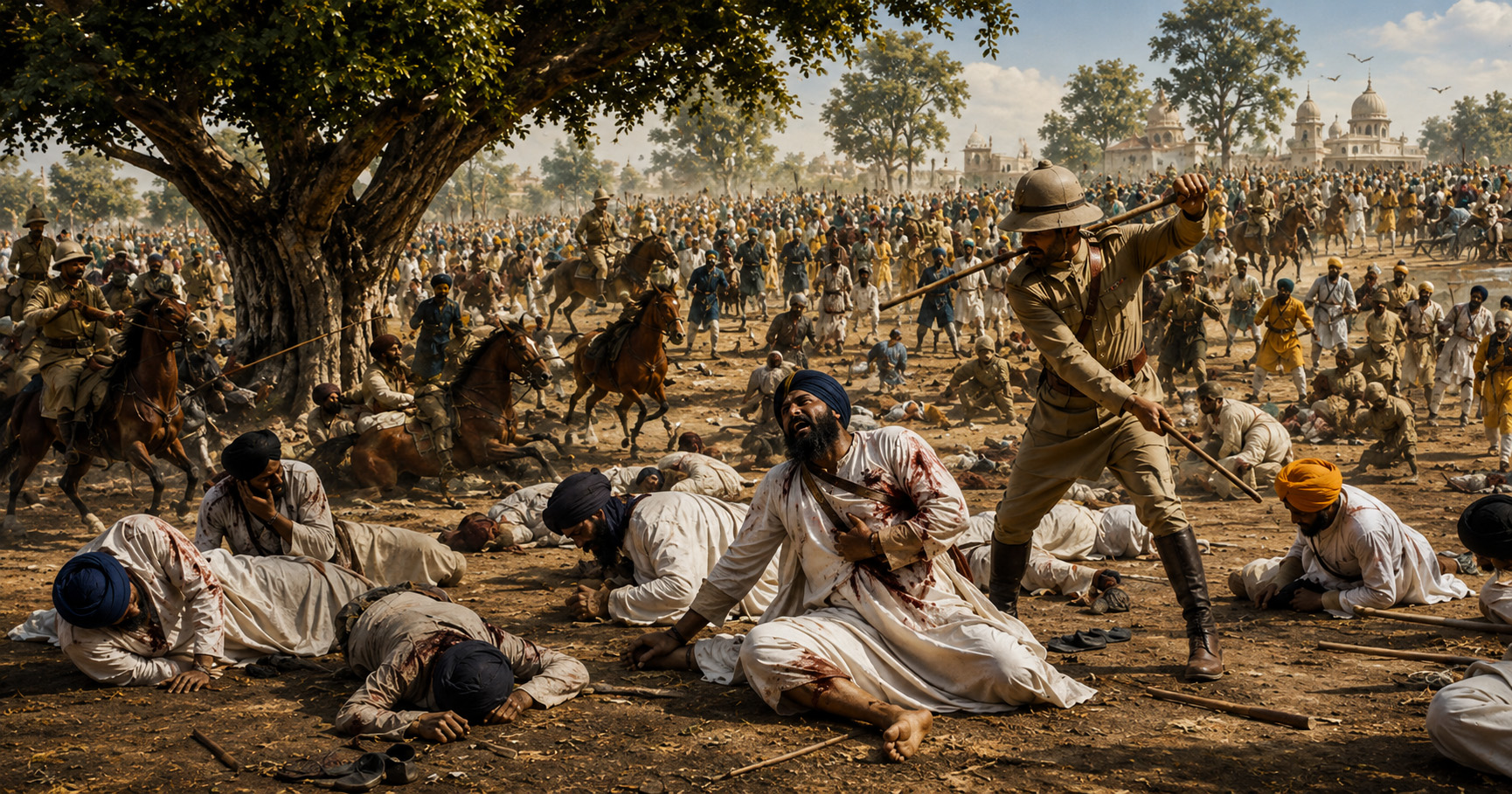
The Coral Mill strike had demonstrated that nationalist leaders like V.O. Chidambaram Pillai could unite people across class and occupational lines around a common cause. The colonial government decided it could not allow such leadership to grow unchecked and thus decided to initiate a crackdown against V.O. Chidambaram Pillai. The opportunity to act came three days later. After V.O. Chidambaram Pillai addressed a public meeting on March 9, 1908, he was arrested on charges of sedition. His arrest triggered widespread protests, which the colonial administration brutally suppressed by opening fire on demonstrators, killing four people. The protests were suppressed, and V.O. Chidambaram Pillai remained imprisoned until 1912; however, the British had already witnessed something they had long feared: when economic injustice united with the demand for self-rule, even a local strike had the potential to shake an empire.