Senapati Bapat: The Revolutionary Who Went Back to School to Outwit the British
To earn a living without revealing who he really was, Senapati Bapat applied for a teaching position using a new name.

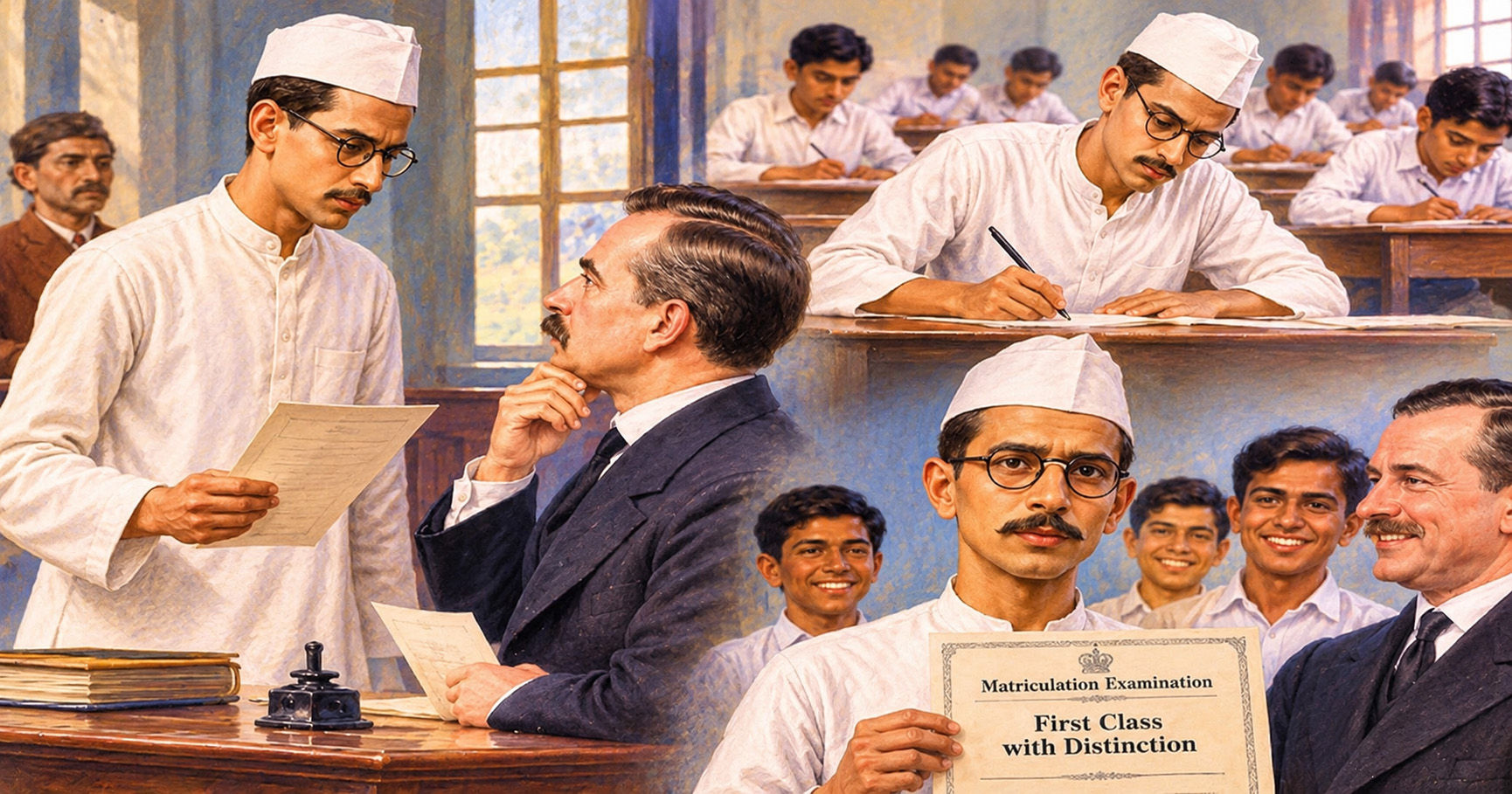
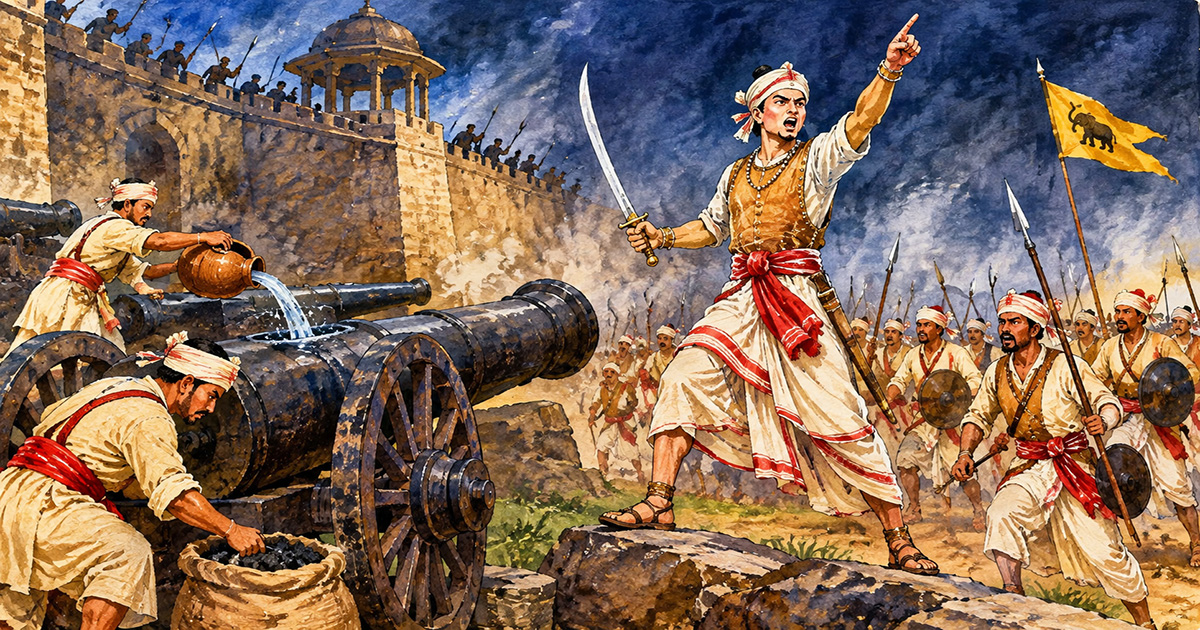
Senapati Bapat: The Freedom Fighter Who Took Matric at 31 | This image is AI-generated
Imagine being one of the British Empire’s most-wanted revolutionaries, constantly on the run from the police, and then suddenly finding yourself sitting in a classroom, surrounded by teenage students, preparing for a high school examination. It sounds unbelievable, but this was the extraordinary story of Senapati Bapat, whose real name was Pandurang Mahadev Bapat.
Bapat had travelled to Britain to study engineering. However, his growing involvement in India’s freedom struggle soon changed the course of his life. In 1907, he became associated with the revolutionary organisation Abhinav Bharat. At the time, Indian revolutionaries were looking for ways to challenge British rule, and knowledge of explosives and bomb-making had become increasingly important to their activities.
Bapat was sent on a secret mission to Paris, where he established contact with Russian revolutionaries and obtained a bomb-making manual. He brought this material back to India and helped circulate it among Indian revolutionaries, making him an important figure in the underground revolutionary movement.
But his activities soon attracted the attention of the British authorities. As the police intensified their crackdown, Bapat was forced to go underground and live under a false identity. To earn a living without revealing who he really was, he applied for a teaching position using a new name. The headmaster was impressed with him and agreed to offer him the job. But there was one problem: Bapat had to submit his matriculation certificate as proof of his educational qualifications.
For an ordinary applicant, this would have been a simple formality. But for Bapat, it could have meant exposing his real identity. His original certificate carried his actual name, Pandurang Mahadev Bapat. Producing it could reveal who he was and put him directly in the hands of the British police.
So, instead of risking exposure, he chose an extraordinary solution. At the age of 31, Bapat went back to school, sitting for the matriculation examination alongside students much younger than himself. He appeared under his assumed name, keeping his revolutionary identity a secret. And the result was remarkable. He did not merely pass the examination; he secured First Class with Distinction.
With the certificate in hand, Bapat was able to pursue the teaching job without revealing his real identity. The revolutionary who had once travelled across Europe on a secret mission was now back in a classroom, using an examination certificate to stay one step ahead of the British authorities.
Sometimes, the most extraordinary acts of a revolutionary are not performed on the battlefield, but through the courage and ingenuity needed to survive.