What is Karnataka Hate Speech and Hate Crimes (Prevention) Bill, 2025? Why are Hindu organisations opposing this bill?

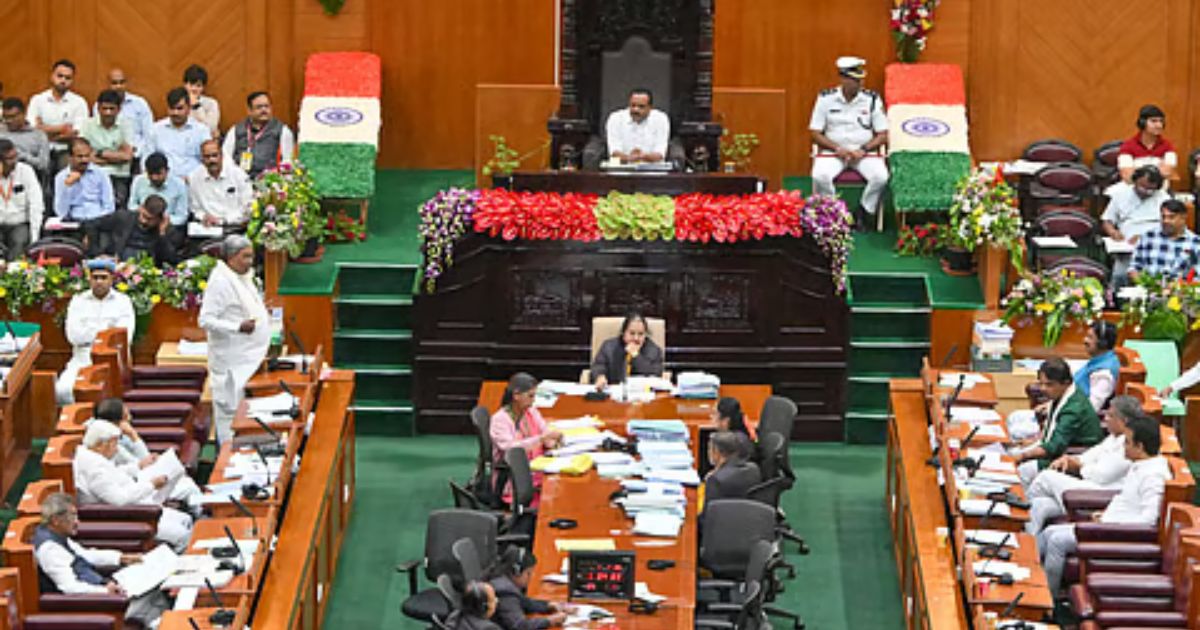
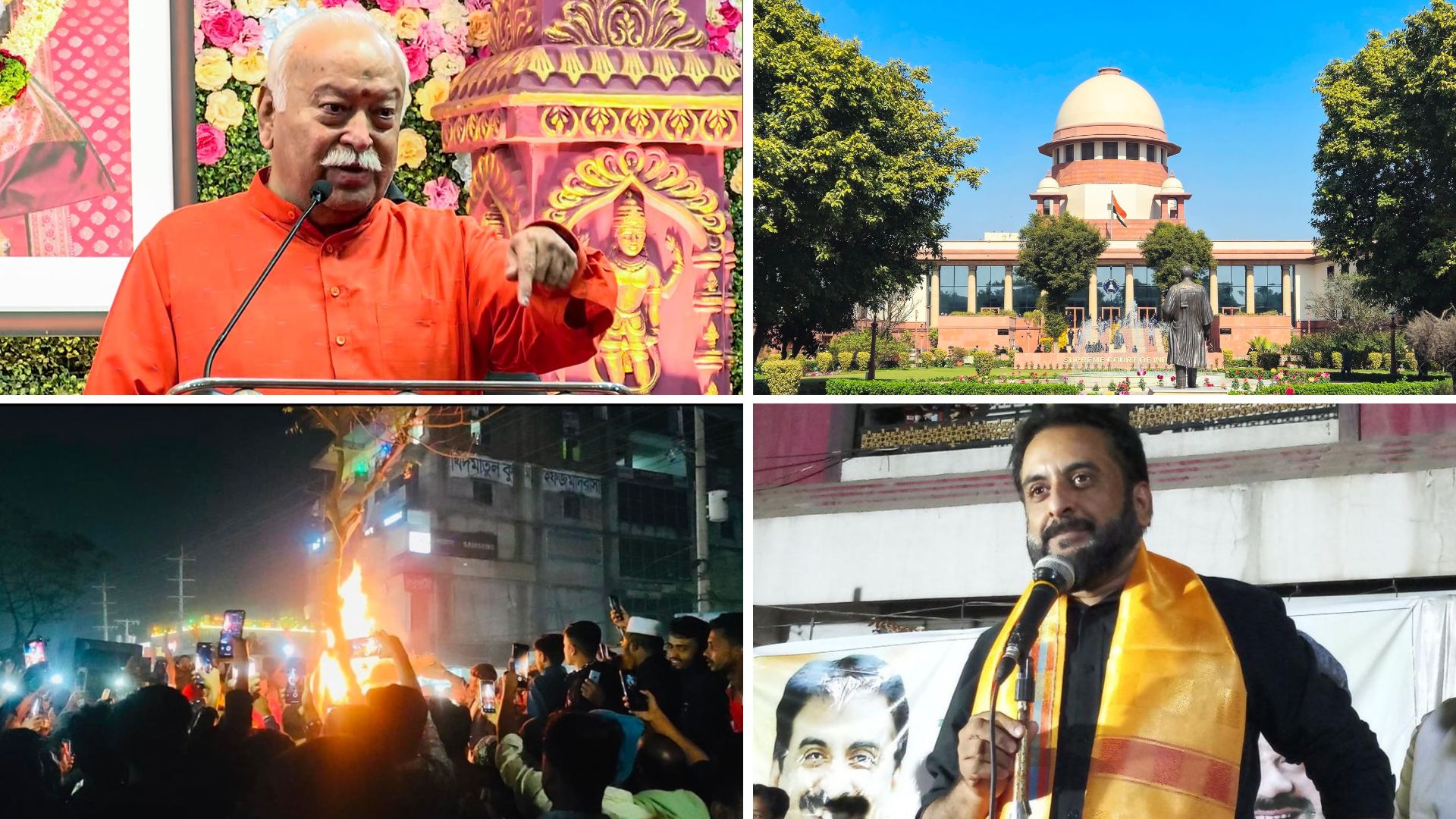
Under the pretext of curbing hate speech in the state, the government has introduced the Karnataka Hate Speech and Hate Offences (Prevention) Bill, 2025 in the Assembly on Wednesday, triggering fear of censorship with critics calling the bill an affront to freedom of speech.
This bill provides for a fine of up to Rs. 1 lakh and a maximum imprisonment of 10 years. This bill was approved in the state cabinet meeting on December 4. During the introduction of the Hate Speech and Hate Crimes (Prevention) Bill, opposition members expressed their anger in the House. When Speaker U.T. Khader sought approval for the passage of the bill by voice vote, the opposition MLAs opposed it unanimously. BJP MLA Sunil Kumar demanded that the bill be put to a vote. Despite this, the bill was tabled.
What is hate speech?
As per the bill, if hostile or hateful words are spoken against a living or deceased person, or against any community, and if their words create a bad feeling in the society, it is considered hate speech. Similarly, propagation, spreading hatred through it, and inciting it are considered hate crimes. The bill also mentions spreading hate speech through oral, printed, published, and electronic means that come into the public eye as a hate crime. Action will be taken against those who spread hatred in any way against religion, race, caste or community, gender, gender identity, sexual orientation, place of birth, place of residence, language, disability or sect.
What is the punishment under the bill?
* Imprisonment from one year to a maximum of 7 years
* 50 thousand rupees. The bill allows for a fine
* 2 to 10 years of imprisonment for repeat offenders
* The bill also allows for a fine of up to 1 lakh rupees
* It also aims to book office bearers if an organization commits a crime, framing which critics say wants to target nationalist organisations like RSS.
* Hate speech to be considered a non-bailable offense
* Case to be heard by a first-class magistrate
* Victims can also seek compensation through the court
Why are the Hindu organisations opposing the bill?
According to the Hindu organisations, this bill is not a framework for creating peace. Under the pretext of curbing hate speech, the Hindu organisations maintain that the police will further suppress the Hindu voice, which has already been marginalized by the pseudo secularism of the selected framework for decades, through legal action.
They argued that the bill defines “harm” as emotional, mental, social or economic. This definition is not accidental, but intentional. Christian missionaries can now accuse a Hindu of causing “emotional harm” by questioning forced conversions. Islamists can say that a Hindu is causing “mental harm” by highlighting patterns of communal violence. A Hindu who criticizes ideologies or religious dominance can be sued for creating “social harm”.
Previous judgments of the courts in similar cases
(Shreya Singhal vs. Union of India, 2015)
In 2015, Shreya Singhal challenged Section 66A of the IT Act, which allowed the police to arrest ordinary citizens for critical posts on social media. The Supreme Court held that Section 66A was vague and imposed excessive restrictions on freedom of speech and directed that the section be struck down. The judgment is considered a major victory for online freedom of expression in India, paving the way for free communication in the digital age.
With Hindus facing the highest number of FIRs being filed across India for “hurting sentiments”, Hindus will now be targeted with FIR, posing a serious threat to freedom of speech and expression.
Critics further argue that a person who forwards a WhatsApp message, shares a news report or retweets a satirical commentary can be prosecuted if they claim that the content has caused emotional or psychological harm. It does not matter whether the person forwarding or resharing the content understood the consequences. The mere act of forwarding becomes a potential offence here.
Section 4 gives the government the power to declare content as ‘hateful’ through its own institutions. These institutions already act as political filters. Now the bill gives legal backing to silence citizens under the guise of “curbing hate speech”. The previously established Fact Check Unit has already faced numerous allegations of being misused to target voices that are inconvenient to the administration.