The Heartbreaking Story of the Stolen Generations, and The Unhealed Pain of Valérie Wenberg

Can you imagine a little girl seeing her mother’s face for the first time in an old photograph and realising she never truly knew her? Valérie Wenberg’s life is precisely such a painful truth: Childhood was snatched from her family, siblings died in institutions, and yet she survived. Her story is a living testimony to Australia’s brutal “Stolen Generations” policy, which ripped thousands of Indigenous children from their roots and severed their connection to land, language, and identity.
What “Stolen Generations” Really Meant
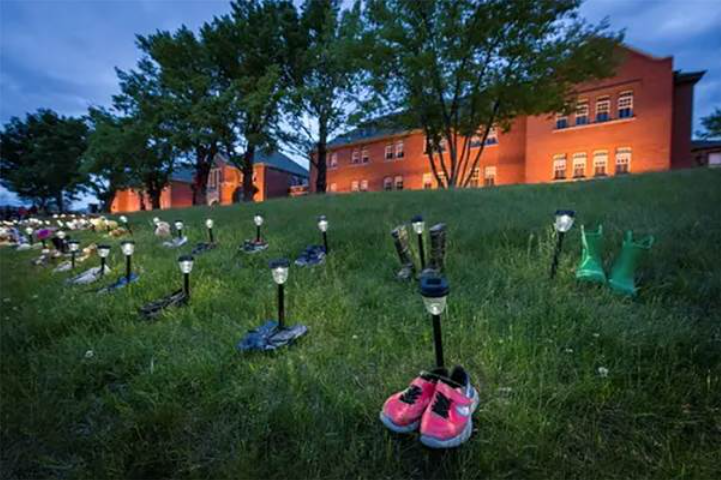
Australia’s Stolen Generations policy was a cruel, state‑sanctioned system under which Aboriginal and Torres Strait Islander children, people of the islands between Queensland and Papua New Guinea, a distinct Melanesian cultural group, were forcibly removed from their families, culture, and ancestors. The stated aim was to “civilize” them and assimilate them into white society, so they were sent to missions, institutions, or placed with white families. This policy operated roughly from 1910 to 1970, implemented through state and federal laws such as the Aborigines Protection Acts. Police, welfare officers, and church missions were the ones who carried out the removals. It is estimated that between 10% and 33% of all Indigenous children were affected, leaving deep‑wound trauma, cultural loss, and intergenerational pain.
How Valérie’s Life Was Torn Apart
Valérie Wenberg was about two to three years old when government policy, masquerading as “civilizing” Aboriginal children, tore her and her siblings from their mother. This was in the 1940s, at the height of the Stolen Generations. Valérie was sent to the Bomaderry Infants Home in New South Wales, her brother Johnny to the Kinchela Boys Home, and the youngest sister, Dorothy, also to Bomaderry. The decision was made by state officials who believed Indigenous children could not progress while living with their own parents.

Survivor of Stolen Generations Valerie Wenberg | Image Source: Sarah Collard/The Guardian)
Valérie never remembered her mother’s face from real life; she first saw it in a photograph tucked under her eldest brother’s mattress. When she turned nine, she was transferred from Bomaderry to the Cootamundra Aboriginal Girls Home, also in New South Wales, where girls were groomed to become domestic servants. There she forged deep friendships with other girls, but the place was in effect a prison: She was trained to work on nearby farms, far from any sense of family. It was there, somewhere between chores and roll‑call, that she learned Johnny and Dorothy had both died in the harsh, neglectful conditions of Kinchela and Bomaderry. The institutions that claimed to “care” for them had instead taken their lives. Valérie was left alone, but she refused to surrender.
The Darkest Years: Farms, Assault, and Parramatta
In her teenage years, Valérie was taken out of Cootamundra and sent to work on a farm in rural New South Wales. The station owner sexually abused her, raped her, and beat her mercilessly. She stayed silent because there was no safe channel to complain; to speak was to risk being labelled “trouble” and further punished. Eventually, a police officer removed her from the farm, but instead of returning her to Cootamundra, they sent her to the Parramatta Girls Home, a place even more brutal, where discipline was meted out through endless punishment. Yet, through all this, Valérie clung to life with a quiet, fierce resilience. These years were the darkest stretch of her existence, where physical and psychological torture became a daily routine.
The Day Her Pain was Finally Heard
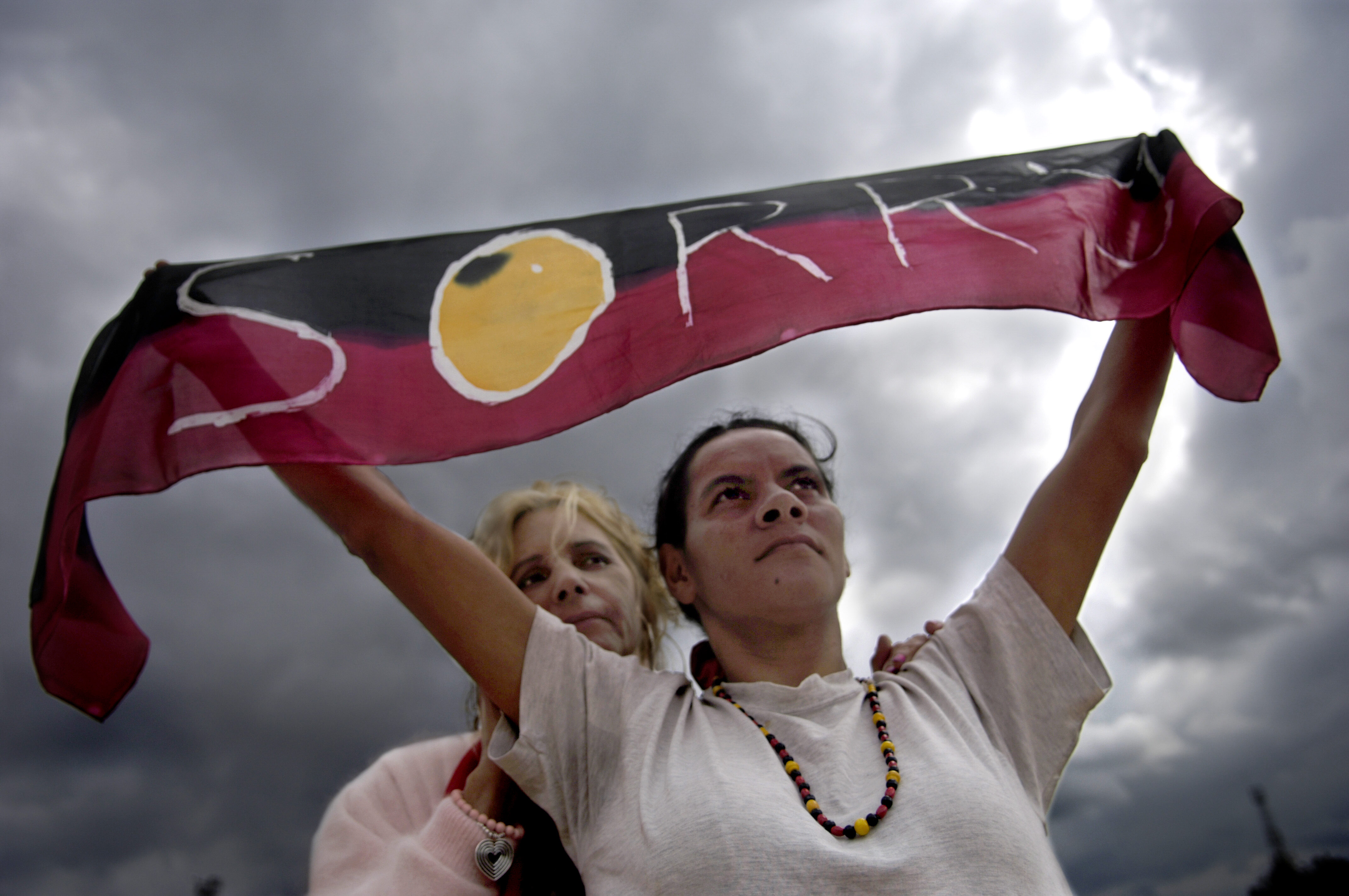
One of the most poignant moments came on February 13, 2008, when Valérie sat in the federal parliament in Canberra as then‑Prime Minister Kevin Rudd delivered the National Apology to the Stolen Generations. As he uttered the words, “I apologise on behalf of the nation,” her body and heart trembled. That apology, she later said, “went right through my body.” It was the first time her lifelong suffering was formally acknowledged by the state. In that room, she felt that, at last, her pain had been heard.
Speaking truth at the 18th anniversary
In February 2026, on the 18th anniversary of that apology, Valérie gathered in Canberra with about a hundred other Stolen Generations survivors for an event organized by The Healing Foundation. There she shared her story once again, not for pity but as a demand for memory and justice. Her life embodies how deeply government policies can scar families, shatter childhood, and echo across generations. Yet it also shows the extraordinary strength and endurance the human spirit can muster.
Today, when the world talks about Indigenous rights, the voices of survivors like Valérie remind us that an apology is only the beginning; true healing and justice are still unfinished. Her story is not only one of pain, but also of hope: that even people shattered by history can stand tall, speak their truth, and force the world to listen.